

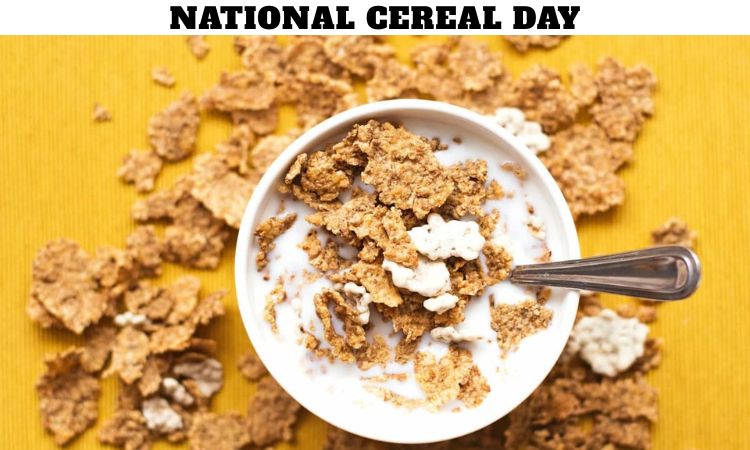
What Is National Cereal Day and When Is It Celebrated?
National Cereal Day is celebrated every year on March 7, honoring one of the most popular and convenient breakfast foods in the world—cereal. From crunchy cornflakes to chocolatey puffs and wholesome oats, cereal has become a staple in millions of households. National Cereal Day recognizes the history, innovation, nostalgia, and joy associated with this simple yet versatile meal.
Though not a federal holiday, the day has gained popularity across social media platforms, grocery stores, and food brands. People celebrate by enjoying their favorite cereal, trying new flavors, sharing childhood memories, or even creating cereal-inspired recipes. March 7 is a tribute to the colorful boxes lining supermarket shelves and the comforting ritual of pouring milk over crunchy goodness.
How Did Breakfast Cereal Originate?
The story of breakfast cereal dates back to the late 19th century, when health reformers sought lighter, more digestible morning meals. Heavy breakfasts of meat and fried foods were common at the time, but innovators began experimenting with grain-based alternatives.
One of the most influential pioneers was John Harvey Kellogg, a physician and nutrition advocate. Along with his brother Will, Kellogg developed flaked cereal products that eventually became widely popular.
Their invention led to the formation of Kellogg’s, one of the most recognized cereal brands in the world. Around the same time, other companies entered the market, transforming cereal from a health experiment into a breakfast revolution.
What began as a health-focused initiative soon evolved into a booming industry that reshaped morning routines globally.
Why Is Cereal So Popular Around the World?
Cereal’s popularity stems from its convenience, variety, affordability, and taste. It requires minimal preparation—simply pour cereal into a bowl, add milk (or a dairy-free alternative), and enjoy. For busy families, students, and professionals, cereal offers a quick solution to hectic mornings.
The range of flavors is another reason for its global appeal. From fruity and sweet to nutty and whole-grain, cereal caters to different age groups and dietary preferences. Health-conscious consumers can choose high-fiber or protein-rich options, while children may prefer colorful, sugary varieties.
Additionally, cereal can be eaten at any time of the day. Many people enjoy it as a snack, dessert, or even a late-night treat. This versatility has made cereal a beloved comfort food across generations.
Which Iconic Cereal Brands Have Shaped the Industry?
Over the decades, several brands have become household names. General Mills introduced popular cereals such as Cheerios and Lucky Charms, known for their distinctive shapes and flavors.
Post Consumer Brands also played a major role in expanding cereal options, offering classics like Grape-Nuts and Honey Bunches of Oats.
Meanwhile, Quaker Oats Company contributed significantly to the oat-based cereal market, emphasizing heart health and nutrition.
These companies not only shaped breakfast habits but also influenced advertising trends, packaging design, and even pop culture through memorable mascots and jingles.
How Did Cereal Become a Cultural Icon?
Cereal quickly became more than just food—it became part of pop culture. In the mid-20th century, cereal brands began marketing heavily to children, featuring colorful boxes, collectible toys, and animated mascots.
Characters like Tony the Tiger and the Trix Rabbit became instantly recognizable figures in households. Saturday morning cartoons often featured cereal commercials, linking entertainment and breakfast in the minds of young viewers.
The cereal aisle itself transformed into a vibrant display of creativity, filled with bright packaging and limited-edition flavors. For many adults, cereal evokes nostalgia, reminding them of childhood mornings and family routines.
National Cereal Day celebrates this cultural significance, acknowledging cereal as a shared experience across generations.
What Are the Health Benefits of Cereal?
Cereal can be a nutritious breakfast choice, depending on the type selected. Many cereals are fortified with essential vitamins and minerals such as iron, vitamin D, and B vitamins. Whole-grain cereals provide fiber, which supports digestion and heart health.
Oat-based cereals are particularly known for their cholesterol-lowering properties. Adding fruits, nuts, or seeds to cereal can increase its nutritional value, providing antioxidants, healthy fats, and additional fiber.
However, not all cereals are equally healthy. Some varieties contain high levels of sugar and artificial additives. Reading nutrition labels helps consumers make informed choices that align with their dietary goals.
National Cereal Day is a great opportunity to explore healthier cereal options and experiment with nutritious toppings.
How Has Cereal Evolved?
Cereal has undergone a remarkable transformation since its early days. Originally plain and simple, it now comes in countless flavors, textures, and formulations. Innovations include gluten-free options, high-protein blends, organic cereals, and plant-based alternatives.
Manufacturers continuously introduce limited-edition flavors and collaborations inspired by movies, holidays, or popular snacks. This creativity keeps the cereal market dynamic and exciting.
Packaging has also evolved to become more environmentally friendly, reflecting growing consumer awareness about sustainability.
The evolution of cereal mirrors broader changes in society, including shifts toward health consciousness and eco-responsibility.
What Are Some Fun Ways to Celebrate National Cereal Day?
There are many creative ways to enjoy National Cereal Day on March 7:
Try a New Flavor – Explore a cereal you’ve never tasted before.
Host a Cereal Bar Party – Set up bowls of different cereals and toppings for friends and family.
Create a Cereal Dessert – Use cereal in recipes like marshmallow treats, pie crusts, or milkshakes.
Share Childhood Memories – Post about your favorite cereal from growing up.
Mix Your Own Blend – Combine multiple cereals to create a custom flavor.
These activities make the day interactive and enjoyable for people of all ages.
How Does Cereal Reflect Changing Food Trends?
Cereal reflects evolving food trends and consumer preferences. As people become more health-conscious, demand for low-sugar and high-protein cereals has increased. Similarly, the rise of vegan and lactose-free diets has led to the popularity of plant-based milk alternatives paired with cereal.
Sustainability is another growing concern. Many cereal companies are reducing plastic packaging and sourcing ingredients responsibly.
The adaptability of cereal allows it to remain relevant despite shifting trends. It continues to balance indulgence and nutrition, catering to diverse lifestyles.
Why Do People Feel Nostalgic About Cereal?
For many individuals, cereal is deeply connected to childhood memories. It may remind them of family breakfasts, watching cartoons, or collecting toys from cereal boxes. The sound of cereal pouring into a bowl and the scent of sweet grains can instantly transport someone back in time.
Because cereal has been a breakfast staple for generations, it creates a shared experience among siblings, friends, and even entire communities. National Cereal Day taps into this nostalgia, encouraging people to relive joyful moments.
What Is the Global Impact of the Cereal Industry?
The cereal industry generates billions of dollars annually and provides employment across agriculture, manufacturing, marketing, and retail sectors. Grain farmers, food scientists, graphic designers, and advertisers all contribute to bringing cereal from farm to table.
Cereal companies also engage in charitable initiatives, donating food to communities in need and supporting nutrition programs. In some regions, fortified cereals help address vitamin deficiencies, contributing to public health efforts.
Thus, cereal is not just a breakfast option—it is part of a complex global supply chain with economic and social significance.
How Can You Make Your Cereal More Exciting?
If you want to elevate your cereal experience, consider these ideas:
Add fresh fruits like bananas, berries, or apples.
Sprinkle nuts or seeds for added crunch.
Use yogurt instead of milk for a creamy texture.
Try warm milk during colder months.
Blend cereal into smoothies for extra flavor.
These simple modifications can transform an ordinary bowl into a gourmet breakfast.
What Is the Lasting Significance of National Cereal Day?
National Cereal Day celebrates more than a convenient meal—it honors innovation, tradition, and shared memories. Cereal has evolved from a 19th-century health experiment into a beloved global staple. It has influenced advertising, shaped morning routines, and brought families together at the breakfast table.