

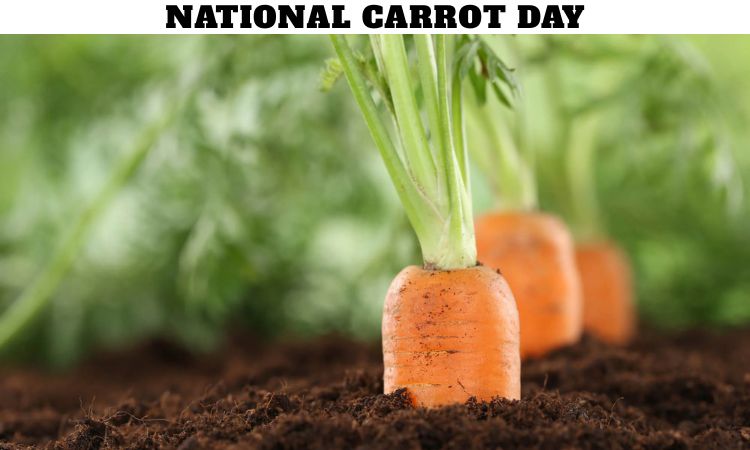
We celebrate National Carrot Day on February 3 as a tribute to one of the most versatile, nutritious, and globally loved vegetables. Carrots have been cultivated for thousands of years and continue to play a vital role in cuisines, health traditions, agriculture, and modern nutrition science. On this day, we recognize the carrot not merely as a common root vegetable but as a powerhouse of vitamins, antioxidants, dietary fiber, and culinary adaptability.
National Carrot Day highlights the importance of carrots in everyday diets while encouraging healthier eating habits, sustainable farming practices, and creative cooking approaches. From ancient civilizations to contemporary kitchens, carrots have consistently proven their value.
The Historical Journey of Carrots
Carrots originated in Central Asia, particularly in regions that are now Afghanistan and Iran. Early carrots were not orange but came in shades of purple, yellow, red, and white. These early varieties were cultivated primarily for their aromatic leaves and seeds rather than their roots.
The modern orange carrot emerged in the 17th century, developed by Dutch farmers who selectively bred carrots to honor the House of Orange. This innovation revolutionized carrot cultivation and popularized the orange variety worldwide. Today, carrots are grown on every continent except Antarctica, making them one of the most widely consumed vegetables on Earth.
Why National Carrot Day Matters?
National Carrot Day is more than a food-themed observance. It represents a broader commitment to nutritional awareness, agricultural heritage, and food sustainability. Carrots are affordable, accessible, and nutrient-dense, making them essential in combating malnutrition and promoting balanced diets.
By celebrating this day, we promote:
Increased vegetable consumption
Awareness of plant-based nutrition
Support for local farmers and sustainable agriculture
Culinary creativity using simple, wholesome ingredients
Nutritional Value of Carrots
Carrots are widely recognized for their exceptional nutritional profile. They are low in calories yet rich in essential nutrients, making them ideal for all age groups.
Key Nutrients Found in Carrots
Beta-carotene is converted into vitamin A
Vitamin K1, supporting bone health
Vitamin C enhances immunity
Potassium aids heart health
Dietary fiber improves digestion
A single serving of carrots provides more than 200% of the daily recommended intake of vitamin A, making them one of the most efficient natural sources.
Health Benefits of Eating Carrots Regularly
Improved Vision Health
Carrots are renowned for their support of eye health, thanks to their high beta-carotene content. Vitamin A is essential for maintaining night vision, preventing age-related macular degeneration, and reducing the risk of cataracts.
Enhanced Immune Function
The antioxidants in carrots help neutralize free radicals, strengthening the immune system and reducing inflammation.
Heart Health Support
Carrots contain soluble fiber and potassium, which help regulate cholesterol levels and blood pressure, reducing the risk of cardiovascular diseases.
Digestive Wellness
The fiber content in carrots promotes gut health, supports regular bowel movements, and feeds beneficial gut bacteria.
Skin and Hair Benefits
Vitamin A and antioxidants play a crucial role in promoting healthy skin regeneration, reducing acne, and enhancing hair strength.
Different Types of Carrots
Carrots come in a variety of shapes, sizes, and colors, each with unique nutritional advantages.
Orange Carrots – High in beta-carotene
Purple Carrots – Rich in anthocyanins with anti-inflammatory properties
Yellow Carrots – Contain lutein for eye health
Red Carrots – Packed with lycopene for heart health
White Carrots – Mild flavor, lower pigment, still fiber-rich
National Carrot Day is the perfect opportunity to explore these diverse varieties.
Culinary Uses of Carrots Across the World
Carrots are celebrated globally for their adaptability in both sweet and savory dishes.
Popular Carrot-Based Dishes
Carrot soups and stews
Fresh salads and slaws
Roasted and glazed carrots
Carrot halwa and desserts
Carrot juices and smoothies
Pickled carrots and fermented dishes
Their natural sweetness makes carrots ideal for baking, while their crunch enhances savory meals.
Carrots in Traditional and Modern Medicine
Historically, carrots were used in traditional medicine to support digestion, detoxification, and wound healing. Modern nutritional science supports many of these traditional uses.
Carrot extracts are now used in:
Nutraceutical supplements
Skincare formulations
Detox diets
Weight management plans
Their low glycemic index makes carrots suitable for diabetic-friendly diets when consumed in moderation.
Carrot Farming and Sustainability
Carrots are considered a sustainable crop due to their relatively low water requirements and adaptability to different soil types. They grow efficiently in both small-scale farms and large agricultural systems.
Supporting carrot consumption contributes to:
Reduced environmental impact
Crop diversity
Soil health improvement
Sustainable food systems
National Carrot Day also acknowledges the farmers and agricultural workers who ensure a consistent global supply.
Creative Ways to Celebrate National Carrot Day
We can celebrate National Carrot Day in meaningful and enjoyable ways:
Prepare carrot-focused meals at home
Introduce carrots into daily snacks
Experiment with heirloom carrot varieties
Share carrot-based recipes
Educate children about vegetable nutrition
Support local farmers’ markets
Celebration encourages mindful eating and appreciation for natural foods.
Carrots and Modern Dietary Trends
Carrots align seamlessly with modern dietary preferences, such as:
Plant-based diets
Vegan and vegetarian lifestyles
Clean eating and whole foods
Low-calorie meal plans
Their versatility ensures they remain relevant in evolving food cultures.
Conclusion: Honoring the Humble Carrot
National Carrot Day on February 3 serves as a reminder that simple foods often deliver the greatest benefits. Carrots embody nutrition, sustainability, affordability, and culinary excellence. By celebrating this day, we reinforce healthier eating habits, support sustainable agriculture, and recognize the enduring value of natural, plant-based foods.