

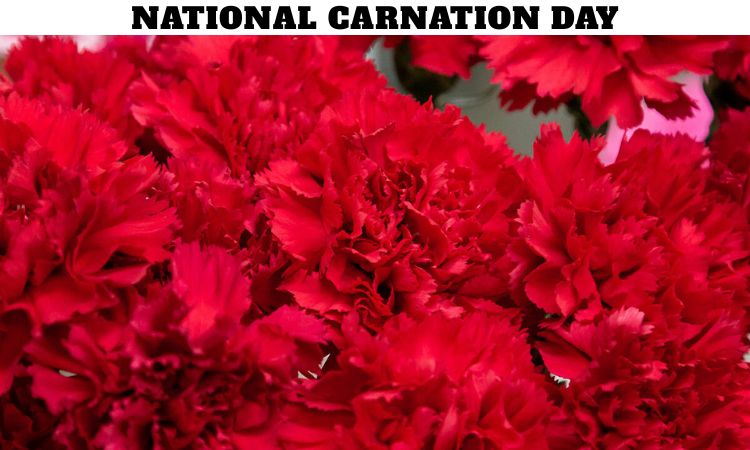
National Carnation Day, observed on January 29, is a celebration dedicated to one of the world’s most cherished and symbolic flowers. We recognize carnations not merely as decorative blooms, but as powerful symbols of love, admiration, gratitude, and remembrance. With their ruffled petals, long-lasting freshness, and rich cultural history, carnations continue to hold a special place in personal relationships, traditions, and global celebrations.
On this day, we come together to appreciate the elegance of carnations, explore their historical roots, understand their symbolism, and discover why they remain one of the most popular flowers across generations.
The Historical Significance of Carnations
Carnations boast a history that stretches back over 2,000 years, making them one of the oldest cultivated flowers in the world. The name “carnation” is believed to originate from the Latin word corone, meaning crown or garland, as these flowers were often used in ceremonial crowns in ancient Greece and Rome.
We find carnations deeply embedded in classical traditions, where they symbolized fascination and divine love. Over centuries, they evolved from wild Mediterranean blooms into refined flowers admired across Europe and Asia. By the Victorian era, carnations became central to the language of flowers, where each color conveyed a specific emotion or message.
Why January 29 Is Celebrated as National Carnation Day?
National Carnation Day on January 29 offers a moment to pause and reflect on the enduring relevance of this flower. Positioned early in the year, the celebration serves as a reminder of renewal, affection, and emotional connection. Florists, gardeners, and flower enthusiasts use this day to showcase carnations in homes, offices, events, and social gatherings.
We observe this day by gifting carnations to loved ones, decorating spaces with vibrant arrangements, and sharing their symbolic meanings. It is also a meaningful occasion to honor relationships, memories, and heartfelt emotions through floral expression.
The Deep Symbolism of Carnation Colors
One of the most fascinating aspects of carnations is the powerful symbolism associated with their colors. Each shade carries a unique message, allowing us to communicate emotions without words.
Red Carnations
Red carnations symbolize deep love, admiration, and affection. They are often associated with romantic gestures and are commonly used to express heartfelt emotions.
Pink Carnations
Pink carnations represent gratitude, motherly love, and appreciation. They are traditionally linked with Mother’s Day and are ideal for honoring nurturing relationships.
White Carnations
White carnations convey purity, innocence, and remembrance. They are frequently used in memorial services and spiritual ceremonies.
Yellow Carnations
Yellow carnations signify joy, friendship, and optimism. They are perfect for celebrating happy moments and positive connections.
Purple and Green Carnations
Purple carnations symbolize capriciousness and uniqueness, while green carnations are often associated with good fortune and renewal.
Cultural and Global Importance of Carnations
Carnations hold cultural significance across the globe. In many countries, they are used in national ceremonies, festivals, and religious observances.
We see carnations worn on Mother’s Day, used to honor fallen soldiers, and displayed during weddings and anniversaries. In some cultures, carnations are associated with luck and prosperity, while in others they serve as symbols of remembrance and respect.
Their adaptability across traditions and events reinforces why carnations continue to be universally admired.
Why Carnations Are Among the Most Popular Flowers?
Carnations are not only beautiful but also highly practical. Their popularity is driven by several key characteristics:
Exceptional longevity, lasting longer than most cut flowers
Wide range of colors and varieties
Affordable pricing, making them accessible for all occasions
Strong stems, ideal for floral arrangements and bouquets
We value carnations for their resilience and versatility, which make them suitable for everything from simple gestures to grand celebrations.
Modern Uses of Carnations in Floral Design
In contemporary floral design, carnations have experienced a renaissance. Florists now embrace them for minimalist bouquets, luxury arrangements, and event décor. Their layered petals add texture, while their color diversity allows for creative expression.
We increasingly see carnations featured in:
Wedding centerpieces
Corporate event décor
Home interior styling
Seasonal floral displays
Their adaptability makes them a favorite among professional designers and everyday flower lovers alike.
How do we celebrate National Carnation Day?
Celebrating National Carnation Day can be both meaningful and simple. We participate in this day by:
Gifting carnations to friends, family, and colleagues
Decorating homes and workplaces with fresh carnation arrangements
Sharing the symbolism of carnation colors on social platforms
Supporting local florists and flower growers
These gestures help keep the tradition alive and strengthen emotional bonds through floral appreciation.
Carnations in Literature and Art
Throughout history, carnations have appeared in poetry, paintings, and classical art, symbolizing love, devotion, and human emotion. Artists often used carnations to represent subtle emotional cues, while writers referenced them as metaphors for beauty and resilience.
We continue to see carnations featured in modern creative works, reinforcing their timeless appeal and emotional depth.
The Enduring Appeal of Carnations in Today’s World
In a fast-paced digital age, carnations remind us of the power of simple, tangible expressions of emotion. They bridge the gap between tradition and modernity, offering a flower that is both classic and contemporary.
We appreciate carnations for their ability to convey feelings that words often cannot. Their continued relevance proves that true beauty and meaning never fade with time.
Conclusion: Celebrating National Carnation Day with Purpose
National Carnation Day on January 29 is more than a floral observance; it is a celebration of connection, symbolism, and timeless elegance. We honor carnations for their historical roots, cultural importance, and emotional resonance.