

What Makes National Almond Day – February 16 So Important for Health, Culture, and Global Nutrition?
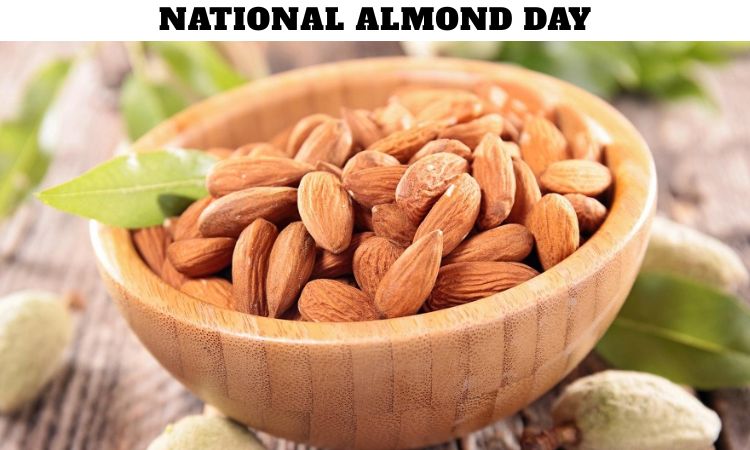
Every year on February 16, food lovers, nutrition experts, and agricultural communities across the United States celebrate National Almond Day. This special observance honors one of the world’s most nutrient-dense and versatile foods: the almond. From ancient civilizations to modern superfood status, almonds have earned their place in kitchens, wellness routines, and global agriculture.
On National Almond Day, we recognize not just a delicious nut but a powerhouse of protein, fiber, antioxidants, and heart-healthy fats. We celebrate the farmers who cultivate them, the industries that innovate with them, and the families who rely on them as a daily source of nourishment.
Why Do We Celebrate National Almond Day on February 16?
National Almond Day is dedicated to appreciating the almond’s nutritional benefits, culinary flexibility, and economic importance. The almond has been cultivated for thousands of years, originally grown in the Middle East before spreading across the Mediterranean and into the Americas.
Today, almonds are primarily produced in regions like California, which supplies a significant portion of the world’s almond demand. The day serves as a reminder of the almond’s journey from orchard to table and its transformation into products such as:
Almond milk
Almond butter
Almond flour
Roasted almonds
Almond oil
Chocolate-covered almonds
We celebrate this day to acknowledge how a simple nut has evolved into a staple ingredient in modern health-conscious diets.
What Are the Health Benefits of Almonds?
When discussing National Almond Day, we must emphasize the extraordinary health benefits almonds provide. Almonds are widely regarded as a superfood, offering a rich combination of essential nutrients.
1. Heart Health Support
Almonds are rich in monounsaturated fats, the same type of healthy fats found in olive oil. These fats help reduce bad cholesterol (LDL) while maintaining good cholesterol (HDL). Regular almond consumption contributes to improved cardiovascular function.
2. High in Antioxidants
Almonds contain powerful antioxidants, particularly vitamin E, which protects cells from oxidative damage. The majority of antioxidants are found in the brown skin of the almond.
3. Excellent Source of Plant-Based Protein
For vegetarians and vegans, almonds offer a reliable source of plant protein, making them ideal for muscle repair and daily energy.
4. Blood Sugar Regulation
Almonds are low in carbohydrates but high in healthy fats, protein, and fiber. This composition makes them beneficial for stabilizing blood sugar levels, especially for individuals managing diabetes.
5. Weight Management
Despite being calorie-dense, almonds promote satiety due to their protein and fiber content. This reduces unnecessary snacking and supports weight control.
On National Almond Day, we celebrate these proven health advantages and encourage incorporating almonds into daily diets.
How Are Almonds Grown and Harvested?
Understanding the agricultural side of almonds enhances appreciation on National Almond Day. Almonds grow on trees that blossom beautifully in early spring, creating vast landscapes of white and pink flowers.
Pollination Process
Bees play a critical role in almond production. Almond trees depend on cross-pollination, and beekeepers transport hives to orchards during bloom season.
Harvest Season
Harvest typically occurs between August and October. Mechanical shakers gently shake the trees, allowing almonds to fall onto the ground where they are collected, cleaned, and processed.
Sustainable Farming Practices
Modern almond farming increasingly focuses on:
Water-efficient irrigation
Soil health management
Pollinator protection
Zero-waste utilization
Celebrating National Almond Day also means recognizing advancements in sustainable agriculture.
How Can We Celebrate National Almond Day at Home?
National Almond Day provides countless opportunities for creative celebration. We can incorporate almonds into meals and snacks in innovative ways.
Healthy Breakfast Ideas
Almond butter on whole-grain toast
Almond milk smoothies
Oatmeal topped with sliced almonds
Nutritious Snacks
Roasted salted almonds
Honey-glazed almonds
Trail mix with almonds and dried fruit
Baking and Cooking
Almond flour pancakes
Almond-crusted chicken
Almond-based desserts like macarons
By experimenting with almond-based recipes, we honor the versatility of this nutrient-rich nut.
Why Are Almonds Considered a Superfood?
The term superfood is often overused, but almonds genuinely deserve the title. Their nutrient profile includes:
Vitamin E
Magnesium
Calcium
Fiber
Protein
Healthy fats
Additionally, almonds are naturally gluten-free and suitable for various dietary lifestyles, including keto, paleo, vegan, and Mediterranean diets.
On National Almond Day, we highlight how almonds support long-term wellness without sacrificing flavor.
What Role Do Almonds Play in Global Cuisine?
Almonds are deeply rooted in international culinary traditions.
Middle Eastern Cuisine
Almonds are used in rice dishes, pastries, and desserts like baklava.
Indian Cuisine
Almonds enhance curries, sweets, and festive beverages.
European Baking
Almond flour and marzipan are essential in French and Italian pastries.
American Snacks
From almond granola bars to almond butter spreads, the United States has embraced almonds as a staple snack.
National Almond Day celebrates this global influence, showcasing how almonds connect cultures through food.
Are Almonds Environmentally Sustainable?
Sustainability is a critical aspect of modern food production. The almond industry has implemented various strategies to reduce environmental impact:
Improved irrigation technologies
Recycling almond shells for livestock bedding
Using hulls for cattle feed
Advancements in water-use efficiency
On National Almond Day, we recognize ongoing efforts to balance agricultural productivity with environmental responsibility.
What Nutritional Facts Make Almonds Unique?
A single ounce (about 23 almonds) contains:
Approximately 6 grams of protein
Around 3.5 grams of fiber
Roughly 14 grams of healthy fats
Significant levels of vitamin E and magnesium
These nutritional facts make almonds one of the most nutrient-dense snacks available. They provide sustained energy without causing sugar spikes, making them ideal for busy lifestyles.
How Has Almond Consumption Evolved Over Time?
Historically consumed as whole nuts, almonds have evolved into a variety of modern products:
Almond milk as a dairy alternative
Almond yogurt
Protein bars with almond base
Almond oil in skincare
The rise of plant-based diets has accelerated almond demand worldwide. On National Almond Day, we reflect on this transformation and celebrate almonds’ adaptability.
Can Almonds Improve Skin and Hair Health?
Almond oil and vitamin E contribute significantly to skin hydration and elasticity. Almond-based skincare products are widely used to:
Moisturize dry skin
Strengthen hair
Reduce inflammation
Protect against oxidative stress
Celebrating National Almond Day includes recognizing almonds beyond nutrition, extending into beauty and wellness industries.
What Are the Economic Impacts of Almond Production?
The almond industry supports thousands of jobs across farming, processing, exporting, and retail sectors. Almond exports contribute billions of dollars annually to the global economy.
From small family farms to large-scale agricultural enterprises, almonds represent economic stability and innovation.
National Almond Day highlights the importance of supporting local growers and sustainable food systems.
Why Should We Incorporate Almonds Into Our Daily Routine?
Incorporating almonds into daily meals provides consistent nutritional benefits:
Enhances satiety
Supports heart health
Strengthens bones
Provides sustained energy
Aids muscle repair
A small handful daily can significantly improve overall diet quality. National Almond Day serves as a reminder to make mindful, health-conscious food choices.
Final Thoughts on National Almond Day
National Almond Day is more than a celebration of a nut. It is a tribute to nutrition, sustainability, agriculture, global cuisine, and wellness innovation. Almonds have proven their value across centuries and continents.