

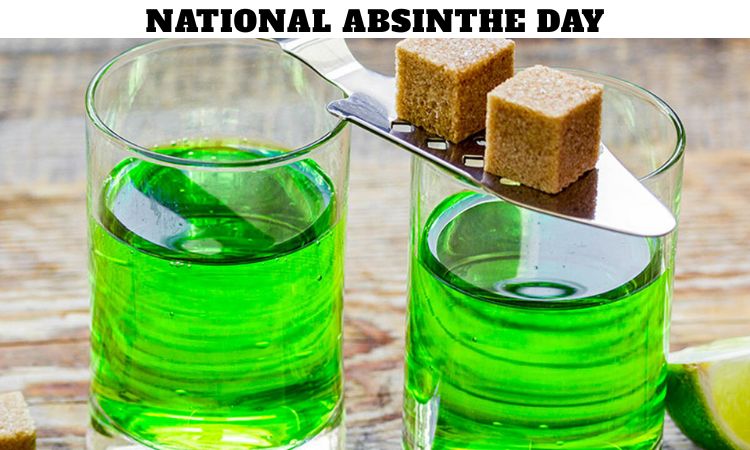
What Is National Absinthe Day and Why Is It Celebrated on March 5?
National Absinthe Day, observed annually on March 5, is a celebration dedicated to one of the most legendary and misunderstood spirits in the world—absinthe. We recognize this day to honor the cultural heritage, artistry, and craftsmanship behind this emerald-colored beverage, often called “La Fée Verte” (The Green Fairy).
The date symbolizes a renewed appreciation for absinthe after decades of controversy, bans, and myths. Historically associated with artists, writers, and European café culture, absinthe has evolved into a sophisticated spirit admired globally. Today, we celebrate not only its flavor profile but also its historical journey from prohibition to renaissance.
Where Did Absinthe Originate and How Did It Become Famous?
Absinthe traces its origins to Switzerland in the late 18th century, where it was initially developed as a medicinal tonic infused with botanicals such as wormwood, anise, fennel, and herbs. Soon after, production spread to France, where it became immensely popular during the 19th century.
French soldiers stationed in North Africa consumed absinthe mixed with water as a preventative measure against disease. When they returned home, the habit followed them. By the mid-1800s, absinthe had become a fashionable drink among the bourgeoisie and artistic communities, leading to the famous “Green Hour”—the period between 5 PM and 7 PM when cafés filled with absinthe drinkers.
Brands like those developed by Pernod Ricard helped standardize production and expand global reach, cementing absinthe’s reputation as a premium spirit.
Why Was Absinthe Once Banned Around the World?
Despite its popularity, absinthe faced intense criticism in the early 20th century. Temperance movements and wine industry competitors fueled fears that absinthe caused hallucinations, madness, and violent behavior. The presence of thujone, a compound in wormwood, was blamed for alleged psychoactive effects.
These fears led to widespread bans across Europe and the United States between 1905 and 1915. However, modern research later confirmed that properly distilled absinthe contains safe, regulated levels of thujone, no more harmful than other alcoholic beverages.
The bans were gradually lifted starting in the late 20th century, allowing absinthe to return to legal markets and regain its status as a refined craft spirit.
Who Were the Famous Personalities Associated with Absinthe?
Absinthe’s mystique grew partly because of its association with legendary artists and thinkers. Creative minds believed the drink inspired imagination and artistic freedom.
Among the most notable admirers were:
Oscar Wilde, who famously described absinthe as producing poetic visions.
Vincent van Gogh was often romantically linked to the drink during his artistic struggles.
Writers, poets, and bohemian intellectuals across Europe embraced café culture.
While myths exaggerated absinthe’s effects, its connection to creativity remains a powerful cultural narrative even today.
What Does Absinthe Taste Like and How Is It Different from Other Spirits?
Absinthe offers a complex herbal flavor profile unlike any other spirit. The dominant notes include:
Anise (licorice-like sweetness)
Fennel (mild spice and freshness)
Wormwood (earthy bitterness)
Botanical herbs (mint, coriander, hyssop)
When water is added, absinthe undergoes a fascinating transformation known as the louche effect, turning from clear green to a cloudy, opalescent appearance. This occurs because essential oils become insoluble in diluted alcohol, releasing aromas and flavors.
Compared to whiskey or vodka, absinthe is more aromatic and layered, making it a favorite for both sipping and cocktails.
How Do We Properly Serve and Drink Absinthe?
The traditional absinthe ritual is an experience in itself, combining elegance with sensory anticipation. We follow these steps:
Pour a measure of absinthe into a glass.
Place a perforated absinthe spoon across the rim with a sugar cube.
Slowly drip cold water over the sugar until dissolved.
Watch the louche effect as the liquid turns milky.
Enjoy the aroma before sipping.
The typical ratio is 1 part absinthe to 3–5 parts water, depending on taste preference.
Modern variations include cocktails such as the Sazerac, Death in the Afternoon, and absinthe spritz, blending tradition with innovation.
Is Absinthe Safe to Drink Today?
Yes, absinthe available today is regulated and safe when consumed responsibly. Scientific studies have confirmed:
Thujone levels are controlled by law.
Alcohol content is comparable to strong spirits (typically 45–74% ABV).
No evidence supports hallucination claims from properly produced absinthe.
The myths surrounding absinthe largely stem from historical misinformation and exaggerated media portrayals.
Why Has Absinthe Become Popular Again in Recent Years?
The resurgence of absinthe is driven by several factors:
Craft distilling movements focusing on authentic recipes.
Growing interest in historical cocktails.
Consumer demand for unique botanical spirits.
Cultural nostalgia for vintage European traditions.
Bars and mixologists now feature absinthe prominently, appreciating its versatility and heritage.
How Can We Celebrate National Absinthe Day?
We can celebrate this unique day in multiple meaningful ways:
Host a tasting event with friends to explore different brands.
Learn the traditional preparation ritual using authentic tools.
Visit a cocktail bar specializing in classic drinks.
Study history through books and documentaries.
Pair absinthe with gourmet foods like cheese, dark chocolate, or seafood.
Celebration does not require excessive drinking; appreciation of craftsmanship and culture is equally important.
What Foods Pair Best with Absinthe?
Absinthe’s herbal complexity pairs surprisingly well with certain foods:
Seafood such as oysters and smoked salmon.
Soft cheeses like brie or goat cheese.
Dark chocolate desserts with herbal undertones.
Mediterranean cuisine with fennel and herbs.
Light pastries that complement anise flavors.
These pairings enhance both the drink and the culinary experience.
What Are the Different Types of Absinthe Available?
Modern absinthe comes in several varieties:
Verte (Green Absinthe) – Traditional and herbaceous.
Blanche (White Absinthe) – Clear, lighter flavor.
Rouge or Amber – Rare variations with unique botanicals.
Bohemian-style Absinthe – Less anise-forward, more modern interpretation.
Each type offers a distinct sensory experience, making exploration enjoyable for enthusiasts.
What Cultural Impact Has Absinthe Had on Society?
Absinthe has influenced art, literature, and social culture for over two centuries. From Parisian cafés to modern cocktail bars, it symbolizes:
Creative rebellion
Artistic inspiration
Sophisticated indulgence
European heritage
Its journey from celebrated beverage to banned substance and back again reflects changing societal attitudes toward alcohol and culture.
What Makes National Absinthe Day Worth Celebrating Today?
National Absinthe Day represents more than a drink—it embodies history, science, artistry, and revival. We recognize:
The craftsmanship of distillers.
The myths corrected by modern research.
The cultural stories connecting generations.
The sensory pleasure of botanical spirits.
By celebrating responsibly, we honor both tradition and innovation.
Conclusion: Why Should We Appreciate Absinthe Beyond the Myths?
Absinthe’s legacy is one of transformation—from misunderstood elixir to respected premium spirit. National Absinthe Day on March 5 provides an opportunity to rediscover its authentic character, appreciate its craftsmanship, and experience its rich cultural heritage.