
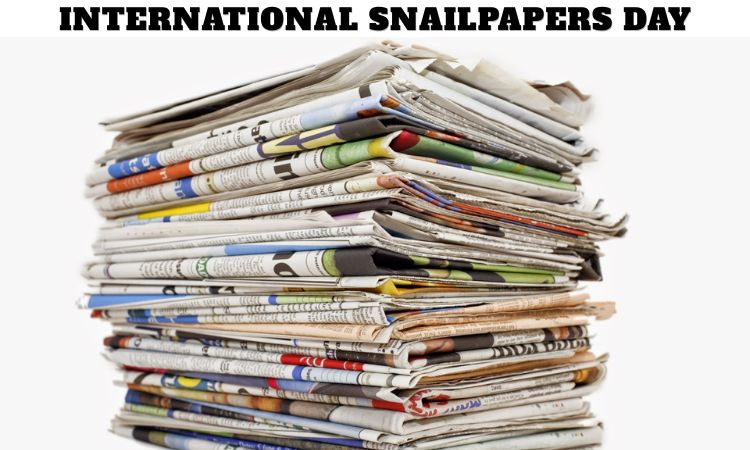
What Is International Snailpapers Day, and Why Is It Celebrated on April 7?
International Snailpapers Day, observed on April 7, is a unique and imaginative celebration dedicated to the appreciation of slow-crafted, handmade paper traditions, often symbolized by the word “snailpapers.” The term reflects the idea of slow, deliberate creation, much like the pace of a snail, emphasizing quality, artistry, and sustainability over speed and mass production.
We celebrate this day to honor traditional papermaking techniques, promote eco-friendly alternatives to industrial paper, and encourage mindful creativity. In an age dominated by digital communication, this day brings attention back to the beauty of tangible, handcrafted materials.
What Does the Term “Snailpapers” Represent?
The concept of snailpapers is symbolic rather than literal. It represents:
- Slow craftsmanship and attention to detail
- Eco-conscious production methods
- Artistic expression through handmade materials
- A return to traditional, sustainable practices
Snailpapers emphasize the importance of patience and creativity in a fast-paced world. Each sheet of handmade paper tells a story, reflecting the time and effort invested in its creation.
How Did International Snailpapers Day Originate?
The origins of International Snailpapers Day are rooted in the growing global movement toward sustainability and slow living. As people began to recognize the environmental impact of mass-produced paper, artisans and environmental advocates started promoting traditional papermaking techniques.
Over time, April 7 was adopted as a day to celebrate these efforts, bringing together artists, crafters, and environmentalists who value handmade paper and eco-friendly practices. The day continues to gain recognition as more people embrace sustainable lifestyles.
Why Is Handmade Paper Important in Today’s World?
Handmade paper holds significant importance in modern society for several reasons:
- Environmental Sustainability: It often uses recycled materials and natural fibers
- Reduced Chemical Usage: Traditional methods minimize harmful chemicals
- Unique Aesthetic Appeal: Each sheet has its own texture and character
- Support for Artisans: Encourages local craftsmanship and small businesses
We recognize handmade paper as a symbol of responsible consumption and creative expression.
How Is Traditional Handmade Paper Created?
The process of making handmade paper is both artistic and technical. It typically involves:
- Collecting raw materials such as cotton rags, recycled paper, or plant fibers
- Soaking and pulping the materials into a slurry
- Spreading the pulp onto a mesh screen
- Pressing and drying the sheets to remove excess water
This slow and meticulous process ensures that each sheet is durable, textured, and visually distinctive. Unlike machine-made paper, handmade paper retains a natural charm that cannot be replicated.
What Are the Uses of Snailpapers in Modern Applications?
Snailpapers are versatile and widely used in various creative and functional applications:
- Art and craft projects
- Wedding invitations and greeting cards
- Journals and notebooks
- Eco-friendly packaging
- Calligraphy and painting
Their unique texture and appearance make them highly desirable for artistic and premium uses.
How Does Snailpapers Day Promote Sustainability?
International Snailpapers Day plays a crucial role in promoting environmental awareness by encouraging:
- Recycling and upcycling materials
- Reducing reliance on industrial paper production
- Supporting sustainable businesses
- Educating communities about eco-friendly practices
By celebrating this day, we contribute to reducing waste and preserving natural resources.
What Are the Artistic Benefits of Using Handmade Paper?
Handmade paper offers numerous advantages for artists and creators:
- Enhanced texture for drawing and painting
- Better absorption of inks and colors
- Unique patterns and fibers that add depth to the artwork
- Durability and longevity
Artists often prefer handmade paper for its ability to elevate the quality and uniqueness of their work.
How Can We Celebrate International Snailpapers Day?
There are many meaningful ways to celebrate this creative and eco-conscious day:
- Create your own handmade paper at home
- Support local artisans and buy handmade products
- Organize workshops or craft sessions
- Use eco-friendly paper for personal and professional purposes
- Spread awareness about sustainable practices
Celebrating this day allows us to reconnect with creativity and environmental responsibility.
What Challenges Does Handmade Paper Production Face?
Despite its benefits, handmade paper production faces several challenges:
- Limited scalability compared to industrial production
- Higher cost due to manual labor
- Lack of awareness among consumers
- Competition from cheaper alternatives
Addressing these challenges requires increased awareness and support for sustainable products.
Why Does Slow Craftsmanship Matter in a Fast-Paced World?
In a world driven by speed and convenience, slow craftsmanship offers a refreshing alternative. It encourages:
- Mindfulness and focus
- Appreciation for quality over quantity
- Sustainable consumption habits
- Connection to traditional skills
Snailpapers embody this philosophy, reminding us that meaningful creation takes time and dedication.
What Are Some Interesting Facts About Snailpapers?
- Handmade paper dates back over 2,000 years
- It can be made from cotton, bamboo, or even agricultural waste
- Each sheet is unique, with no two pieces identical
- It is often biodegradable and eco-friendly
- Handmade paper is used in luxury stationery and fine art
These facts highlight the timeless appeal and versatility of snailpapers.
Frequently Asked Questions (FAQs)
1. What is International Snailpapers Day?
It is a day celebrated on April 7 to promote handmade paper and sustainable crafting practices.
2. What does “snailpapers” mean?
It symbolizes slow, careful, and eco-friendly paper creation methods.
3. Why is handmade paper important?
It supports sustainability, reduces waste, and promotes artistic expression.
4. How is handmade paper made?
It is made by pulping natural or recycled materials and forming them into sheets.
5. What materials are used in snailpapers?
Common materials include cotton, recycled paper, and plant fibers.
6. Can snailpapers be used for printing?
Yes, but they are mostly preferred for artistic and decorative purposes.
7. Is handmade paper eco-friendly?
Yes, it is biodegradable and often made using sustainable processes.
8. How can I celebrate Snailpapers Day?
You can create handmade paper, support artisans, or spread awareness.
9. Why is slow craftsmanship important?
It promotes quality, sustainability, and mindful living.
10. Are snailpapers expensive?
They can be more costly than machine-made paper due to manual production.