

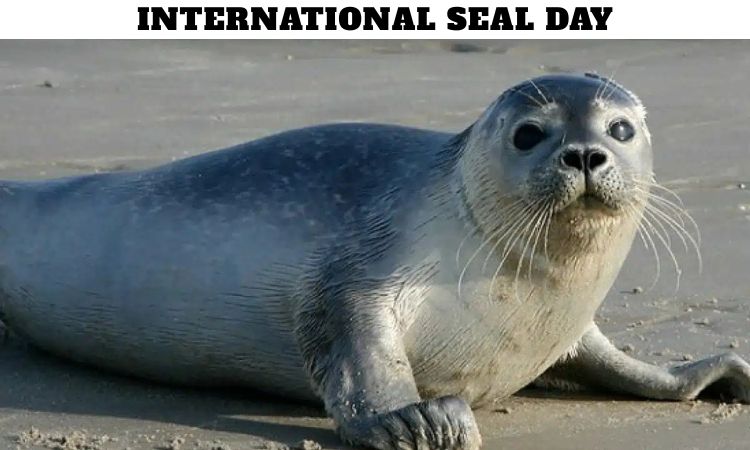
International Seal Day, observed annually on March 22, serves as a global platform for raising awareness about the ecological importance, conservation needs, and fascinating lives of seals. As stewards of the environment, we recognize that seals are not only charismatic marine mammals but also vital indicators of ocean health. This day offers an opportunity for conservationists, educators, and communities worldwide to celebrate these remarkable creatures while highlighting the urgent need to protect marine biodiversity.
Seals have thrived in Earth’s oceans for millions of years, evolving into diverse species that inhabit both polar and temperate waters. From the icy expanses of the Arctic to the rugged coastlines of the Southern Hemisphere, seals contribute significantly to marine ecosystems. By commemorating International Seal Day, we reaffirm our collective commitment to safeguarding their habitats and ensuring their survival for future generations.
The Ecological Significance of Seals in Marine Ecosystems
Seals play a crucial ecological role as mid-to-top-level predators in ocean food chains. By regulating populations of fish, squid, and crustaceans, seals help maintain a natural balance that supports sustainable marine life cycles. Their presence often reflects the overall health of the marine environment.
We observe that seals act as bioindicators, signaling changes in water quality, prey availability, and climatic conditions. For instance, fluctuations in seal populations can provide early warnings about overfishing, pollution, or rising ocean temperatures. Protecting seals, therefore, directly contributes to preserving ocean ecosystems and maintaining biodiversity.
Furthermore, seal carcasses and waste products contribute nutrients to marine and coastal environments. This natural nutrient cycling supports microorganisms and plant life that form the foundation of complex ecological networks.
Diversity of Seal Species Across the Globe
The world is home to over 30 species of seals, categorized broadly into three groups: true seals (phocids), eared seals (otariids), and walruses (odobenids). Each group exhibits unique adaptations that enable survival in distinct habitats.
True seals, such as the harp seal and elephant seal, lack external ear flaps and are highly adapted for underwater agility. Eared seals, including sea lions and fur seals, possess visible ears and strong front flippers, allowing them to move efficiently on land. Walruses stand apart with their iconic tusks and thick whiskers, which assist in detecting prey on ocean floors.
This diversity highlights the evolutionary success of pinnipeds and underscores the importance of protecting varied marine environments that sustain their populations.
Habitats and Migration Patterns of Seals
Seals inhabit a wide range of environments, from polar ice sheets and sub-Arctic waters to temperate coastlines and remote islands. Many species undertake seasonal migrations to access feeding grounds or breeding sites.
For example, certain seal populations travel thousands of kilometers annually in search of abundant prey. During breeding seasons, they gather in dense colonies on ice floes or sandy shores, engaging in complex social interactions and vocal communications. Understanding these migratory behaviors is essential for implementing effective conservation strategies, including the establishment of marine protected areas.
Human disturbances such as coastal development, shipping traffic, and tourism can disrupt these natural patterns. By promoting responsible environmental practices, we can reduce stress on seal populations and support their long-term survival.
Threats Facing Seal Populations Today
Despite their adaptability, seals face numerous modern-day threats that jeopardize their existence. Climate change remains one of the most significant challenges, particularly for species dependent on sea ice for breeding and resting.
Rising global temperatures contribute to melting ice habitats, forcing seals to travel greater distances and expend more energy in search of suitable environments. This disruption can lead to reduced reproductive success and increased mortality rates.
Additionally, marine pollution poses severe risks. Plastic debris, oil spills, and chemical contaminants can entangle seals or accumulate in their bodies through the food chain. Overfishing further exacerbates the problem by diminishing prey availability, increasing competition and nutritional stress.
Illegal hunting and bycatch in fishing nets also continue to threaten certain seal species. Addressing these issues requires coordinated international efforts, strict enforcement of wildlife protection laws, and widespread public awareness.
Conservation Efforts and Success Stories
Encouragingly, numerous conservation initiatives have demonstrated that proactive measures can reverse population declines. Marine sanctuaries, protected breeding zones, and sustainable fisheries management have contributed to the recovery of several seal species.
We have witnessed positive outcomes in regions where governments and non-governmental organizations collaborate to monitor seal populations and implement evidence-based policies. Community education programs have also played a pivotal role in fostering coexistence between humans and marine wildlife.
Technological advancements, including satellite tracking and underwater acoustic monitoring, enable researchers to gather critical data on seal movements and behavior. This information supports adaptive conservation strategies that respond effectively to changing environmental conditions.
Cultural and Economic Importance of Seals
Seals hold significant cultural value in many coastal and Indigenous communities. Traditional knowledge systems often emphasize respect for marine life and sustainable resource use. Recognizing and integrating these perspectives into modern conservation frameworks enhances both ecological and social outcomes.
From an economic standpoint, seals contribute to ecotourism industries that generate revenue while promoting environmental stewardship. Wildlife watching tours, educational exhibits, and conservation-focused travel experiences inspire visitors to appreciate marine ecosystems and support preservation efforts.
By aligning economic incentives with conservation goals, we can create sustainable pathways that benefit both local communities and wildlife populations.
Educational Activities and Celebrations on International Seal Day
International Seal Day is marked by diverse awareness campaigns, educational programs, and community events designed to engage individuals of all ages. Schools and environmental organizations often host workshops, documentary screenings, and art competitions centered on marine conservation themes.
Digital platforms amplify the reach of these initiatives, enabling global participation through webinars, virtual exhibitions, and social media campaigns. By sharing compelling stories and scientific insights, we can cultivate a deeper understanding of seals’ ecological roles and the challenges they face.
Volunteer opportunities such as beach clean-ups and habitat restoration projects further empower individuals to take tangible action. These collective efforts demonstrate that meaningful change begins with informed and committed communities.
How We Can Support Seal Conservation?
Protecting seals requires concerted action at individual, community, and policy levels. We can contribute by reducing plastic consumption, supporting sustainable seafood choices, and advocating for stronger environmental regulations.
Educational outreach remains a cornerstone of conservation success. By fostering environmental literacy and encouraging responsible behaviors, we help create a culture that values biodiversity and ecological balance.
Supporting reputable conservation organizations through donations or volunteer work also plays a vital role. These entities conduct research, rescue injured animals, and lobby for policies that safeguard marine habitats.
Ultimately, safeguarding seals aligns with broader efforts to combat climate change, preserve oceans, and ensure planetary resilience.
The Future of Seals and Marine Biodiversity
Looking ahead, the survival of seal populations will depend on our ability to integrate science, policy, and public engagement into cohesive conservation strategies. Innovations in renewable energy, sustainable fisheries, and habitat restoration offer promising avenues for reducing environmental pressures.
Frequently Asked Questions (FAQs)
1. What is International Seal Day?
International Seal Day is an annual awareness day observed on March 22 to highlight the importance of seals in marine ecosystems and promote their conservation worldwide.
2. Why is International Seal Day celebrated?
It is celebrated to educate people about the ecological role of seals, the threats they face, and the need to protect their natural habitats.
3. When is International Seal Day observed?
International Seal Day is observed every year on March 22 across the globe.
4. What are seals and where do they live?
Seals are marine mammals that live in oceans and coastal regions, including polar, sub-polar, and temperate waters.
5. How many species of seals exist in the world?
There are more than 30 species of seals, including true seals, fur seals, sea lions, and walruses.
6. What do seals eat?
Seals mainly feed on fish, squid, crustaceans, and other marine organisms, depending on their species and habitat.
7. What are the main threats to seal populations?
Major threats include climate change, melting sea ice, marine pollution, overfishing, habitat disturbance, and accidental capture in fishing nets.
8. How can people help in seal conservation?
People can help by reducing plastic use, supporting marine conservation organizations, spreading awareness, and choosing sustainable seafood.
9. Are seals important for the marine ecosystem?
Yes, seals help maintain balance in ocean food chains and act as indicators of ocean health.
10. How is International Seal Day celebrated?
It is marked through educational events, wildlife awareness campaigns, beach clean-ups, documentaries, and community activities focused on marine protection.