

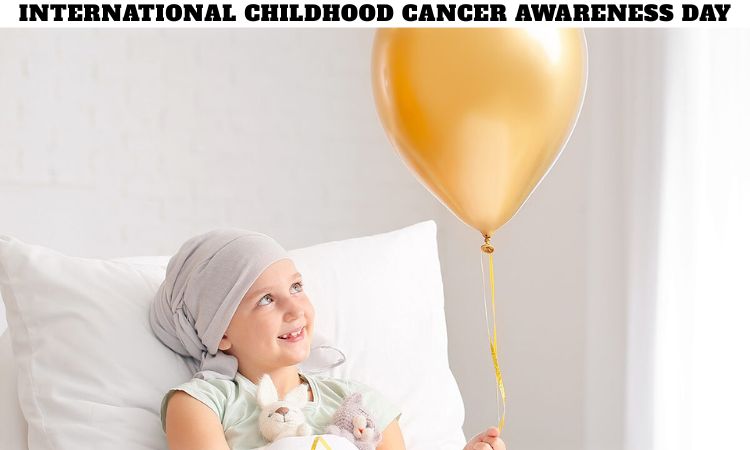
Every year on February 15, the world comes together to observe International Childhood Cancer Awareness Day (ICCAD). This global health awareness day is dedicated to raising awareness about childhood cancer, supporting children and adolescents battling cancer, honoring survivors, and remembering those who have lost their lives to the disease.
International Childhood Cancer Awareness Day is more than a date on the calendar—it is a worldwide movement focused on improving survival rates, advancing research, ensuring equitable access to treatment, and strengthening emotional support systems for families. It highlights the urgent need for early diagnosis, quality care, and long-term support for young patients.
What Is International Childhood Cancer Awareness Day?
International Childhood Cancer Awareness Day was established to shine a global spotlight on cancers that affect children and adolescents. It serves as a unifying platform for healthcare providers, advocacy organizations, policymakers, families, and survivors to work collectively toward a common goal: improving outcomes for every child diagnosed with cancer.
The day emphasizes:
Early detection and accurate diagnosis
Access to safe and effective treatment
Psychological and social support
Investment in research and innovation
Reducing disparities in care worldwide
By recognizing February 15, communities worldwide reaffirm their commitment to protecting children’s health and futures.
Understanding Childhood Cancer
Childhood cancer refers to cancers diagnosed in individuals from birth through adolescence. Unlike many adult cancers, childhood cancers are rarely linked to lifestyle factors. They are often the result of genetic mutations or unknown biological causes.
The most common types of childhood cancer include:
Leukemia
Brain and central nervous system tumors
Lymphoma
Neuroblastoma
Wilms tumor
Bone cancers such as osteosarcoma
Although childhood cancer is considered rare compared to adult cancers, it remains one of the leading causes of disease-related death among children worldwide.
Global Statistics and the Need for Awareness
Each year, hundreds of thousands of children worldwide are diagnosed with cancer. Survival rates vary significantly depending on geographic location and access to healthcare resources.
In high-income countries, survival rates can exceed 80% for many types of childhood cancer. However, in low- and middle-income countries, survival rates may fall below 30% due to delayed diagnosis, lack of specialized care, and limited access to essential medicines.
International Childhood Cancer Awareness Day underscores the need to close this survival gap and ensure that every child, regardless of location, has access to life-saving treatment.
Signs and Symptoms of Childhood Cancer
Early detection significantly improves treatment outcomes. Parents and caregivers should be aware of potential warning signs, including:
Persistent fatigue or unusual paleness
Frequent infections
Unexplained bruising or bleeding
Persistent bone or joint pain
Lumps or swelling
Severe headaches with vomiting
Vision changes
Sudden weight loss
While these symptoms can be associated with many conditions, persistent or worsening signs require prompt medical evaluation. Awareness campaigns on February 15 encourage vigilance and timely action.
The Emotional Impact on Families
A childhood cancer diagnosis affects the entire family. Parents often experience intense emotional stress, financial pressure, and uncertainty about the future. Siblings may also struggle with changes in attention and routine.
International Childhood Cancer Awareness Day highlights the importance of holistic care that addresses:
Emotional and psychological support
Financial assistance programs
Educational continuity for children undergoing treatment
Community-based support networks
Comprehensive care goes beyond medical treatment; it encompasses the emotional well-being of the entire family unit.
The Role of Research and Innovation
Advances in pediatric oncology have significantly improved survival rates over the past decades. Ongoing research focuses on:
Targeted therapies
Immunotherapy
Precision medicine
Reduced-toxicity treatments
Genetic and molecular research
International Childhood Cancer Awareness Day reinforces the necessity of sustained funding for pediatric cancer research. Because childhood cancers differ biologically from adult cancers, specialized research is critical.
Innovative treatments are continually being developed to improve survival while minimizing long-term side effects.
Survivorship and Long-Term Care
Many children complete treatment and become cancer survivors. However, survivorship brings its own challenges. Long-term effects of cancer treatment may include:
Growth and developmental delays
Cognitive changes
Fertility issues
Increased risk of secondary cancers
Emotional and psychological impacts
International Childhood Cancer Awareness Day also honors survivors and emphasizes the need for long-term follow-up care. Survivorship programs provide monitoring, rehabilitation, and emotional support to ensure a healthy transition into adulthood.
The Importance of Equity in Healthcare
One of the most critical themes of International Childhood Cancer Awareness Day is equity. Children in underserved communities often face significant barriers to care, including:
Limited access to specialized pediatric oncology centers
Lack of diagnostic equipment
Shortage of trained healthcare professionals
Financial constraints
Global health initiatives aim to strengthen healthcare systems, train professionals, and improve access to essential medicines. Ensuring equal access to care remains a central priority.
How Communities Can Participate on February 15?
Participation in International Childhood Cancer Awareness Day can take many meaningful forms:
Wearing gold, the international symbol of childhood cancer awareness
Sharing educational resources on social media
Supporting pediatric cancer foundations
Hosting awareness events or fundraisers
Volunteering at children’s hospitals
The gold ribbon symbolizes strength, courage, and resilience—the qualities displayed by children battling cancer every day.
Even small actions can amplify awareness and drive meaningful change.
Supporting Children During Treatment
Children undergoing cancer treatment often face prolonged hospital stays, invasive procedures, and emotional distress. Supportive measures that improve quality of life include:
Child life programs
Creative arts therapy
School re-entry planning
Peer support initiatives
Family-centered care models
Healthcare providers prioritize maintaining a child’s sense of normalcy whenever possible. Emotional resilience plays a crucial role in recovery.
Prevention and Risk Reduction
Unlike many adult cancers, most childhood cancers cannot be prevented through lifestyle changes. However, awareness ensures early detection and prompt treatment.
Research into genetic factors and environmental influences continues to advance understanding of risk patterns. International collaboration accelerates discoveries that may improve prevention strategies in the future.
Global Collaboration and Advocacy
International Childhood Cancer Awareness Day fosters collaboration among:
Pediatric oncologists
Researchers
Non-profit organizations
Government health agencies
Survivor networks
Global partnerships work toward increasing survival rates and reducing disparities. Collective advocacy has led to improvements in diagnostic protocols, expanded treatment availability, and strengthened healthcare infrastructure in various regions.
Stories of Strength and Resilience
Behind every statistic is a story of courage. Children facing cancer demonstrate extraordinary bravery during treatment. Families show unwavering dedication and hope.
International Childhood Cancer Awareness Day honors these stories. By sharing experiences, communities build empathy and understanding. Survivors often become advocates, inspiring others and contributing to awareness campaigns.
These stories remind us that resilience and determination can shine even in the face of adversity.
Educational Institutions and Workplace Involvement
Schools and workplaces play an important role in supporting families affected by childhood cancer. Flexible learning plans, compassionate leave policies, and community support programs ease the burden on families.
On February 15, many institutions organize educational sessions to promote understanding and reduce stigma associated with cancer. Knowledge fosters compassion and inclusivity.
Looking Toward the Future
The future of pediatric oncology is shaped by innovation, collaboration, and commitment. With advancements in molecular biology and targeted therapies, survival rates continue to improve.
International Childhood Cancer Awareness Day serves as a reminder that sustained effort is essential. Continued investment in research, equitable healthcare systems, and emotional support networks will shape brighter futures for children worldwide.
Every breakthrough in treatment brings renewed hope to families facing diagnosis.
Conclusion
International Childhood Cancer Awareness Day – February 15 is a global call to action. It brings attention to the challenges faced by children with cancer while celebrating the strength of survivors and the dedication of families and healthcare professionals.