

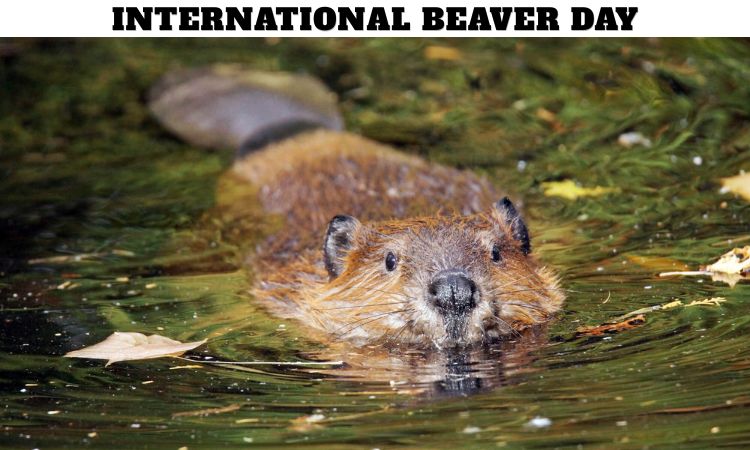
What Is International Beaver Day, and Why Is It Celebrated on April 7?
International Beaver Day, observed annually on April 7, is a global initiative dedicated to raising awareness about the ecological importance of beavers and the need to protect their habitats. We recognize this day to highlight how these industrious animals play a crucial role in maintaining environmental balance.
April 7 was specifically chosen to honor the birthday of Dorothy Richards, a renowned naturalist who spent decades studying and advocating for beaver conservation. Through her work, we gained valuable insights into the behavior and significance of beavers in ecosystems.
This day serves as an opportunity for conservationists, educators, and environmental enthusiasts to promote sustainable coexistence with wildlife and to appreciate the engineering marvels created by beavers.
Why Are Beavers Considered Nature’s Engineers?
Beavers are often referred to as “ecosystem engineers” due to their extraordinary ability to transform landscapes. By building dams and lodges using wood, mud, and vegetation, they create wetlands that support diverse ecosystems.
These structures:
- Slow down the water flow, reducing erosion
- Increase water retention, helping during droughts
- Create habitats for fish, birds, amphibians, and insects
The wetlands formed by beavers act as natural water filters, improving water quality and enhancing biodiversity. Their engineering skills are unmatched in the animal kingdom, making them vital contributors to environmental sustainability.
How Do Beaver Dams Impact the Environment Positively?
Beaver dams have a profound impact on the environment. When beavers construct dams across streams, they create ponds that bring numerous ecological benefits:
- Flood control: By slowing water movement, they reduce the risk of downstream flooding
- Groundwater recharge: Water seeps into the soil, replenishing underground aquifers
- Wildlife support: These ponds become thriving ecosystems for multiple species
- Climate resilience: Wetlands store carbon and help combat climate change
Through these actions, beavers naturally restore degraded ecosystems without human intervention.
What Is the Historical Significance of Beavers?
Historically, beavers played a significant role in the fur trade, particularly in North America and Europe. Their pelts were highly valued for making hats and garments, leading to widespread hunting and a drastic decline in their population.
By the 19th century, beavers were nearly extinct in many regions. However, conservation efforts and legal protections have helped restore their numbers in several parts of the world.
Today, we view beavers not as commodities but as essential ecological contributors, emphasizing the importance of sustainable wildlife management.
Where Are Beavers Found Around the World?
Beavers are primarily found in the Northern Hemisphere, with two main species:
- North American Beaver (Castor canadensis)
- Eurasian Beaver (Castor fiber)
Their habitats include:
- Rivers
- Streams
- Lakes
- Wetlands
Beavers prefer areas with abundant trees and water sources, as these are essential for building dams and lodges.
How Do Beavers Build Their Homes and Dams?
Beavers use their sharp teeth and powerful jaws to cut down trees and gather materials. They construct:
- Dams: To block water flow and create ponds
- Lodges: Dome-shaped homes with underwater entrances for protection
The process involves:
- Cutting branches and logs
- Positioning them across water channels
- Sealing gaps with mud and vegetation
These structures are highly durable and can withstand strong water currents, showcasing the beaver’s exceptional architectural skills.
What Do Beavers Eat and How Do They Survive?
Beavers are herbivores, feeding mainly on:
- Tree bark (especially from willow, aspen, and birch trees)
- Aquatic plants
- Leaves and twigs
During winter, they store food underwater near their lodges. This ensures a steady food supply even when the surface is frozen.
Their ability to adapt to seasonal changes makes them resilient and self-sufficient animals.
Why Is Beaver Conservation Important Today?
Despite their ecological importance, beavers still face threats such as:
- Habitat destruction due to urbanization
- Water pollution
- Human-wildlife conflict
Conserving beavers is crucial because they:
- Enhance biodiversity
- Improve water systems
- Support climate adaptation
By protecting beavers, we indirectly protect entire ecosystems that depend on their presence.
How Can We Celebrate International Beaver Day?
We can actively participate in International Beaver Day through meaningful actions:
- Educating others about beaver conservation
- Supporting wildlife organizations
- Visiting nature reserves to observe beavers responsibly
- Participating in environmental campaigns
Schools and communities can organize workshops, awareness programs, and conservation drives to spread knowledge about the importance of beavers.
What Role Do Beavers Play in Climate Change Mitigation?
Beavers contribute significantly to combating climate change by:
- Creating wetlands that store carbon
- Reducing wildfire risks by maintaining moist landscapes
- Stabilizing water cycles
Their natural activities help ecosystems adapt to changing climate conditions, making them valuable allies in environmental conservation.
What Are Some Interesting Facts About Beavers?
- Beavers have orange teeth due to iron content, which makes them strong
- They can hold their breath underwater for up to 15 minutes
- Their tails serve multiple purposes, including communication and balance
- A beaver dam can stretch over 1,000 feet in length
These fascinating traits make beavers one of the most unique and impactful animals in the wild.
Frequently Asked Questions (FAQs)
1. What is International Beaver Day?
International Beaver Day is celebrated on April 7 to raise awareness about the ecological importance of beavers and their conservation.
2. Why is April 7 chosen for Beaver Day?
It marks the birthday of Dorothy Richards, a pioneer in beaver research and conservation.
3. What do beavers eat?
Beavers primarily eat tree bark, leaves, aquatic plants, and twigs.
4. Where do beavers live?
They live near freshwater sources such as rivers, lakes, and wetlands.
5. Why are beavers called ecosystem engineers?
They build dams and create wetlands that support diverse ecosystems.
6. Are beavers endangered?
While some populations have recovered, they still face threats from habitat loss and human activity.
7. How do beaver dams help the environment?
They reduce flooding, improve water quality, and create habitats for wildlife.
8. How long can beavers stay underwater?
Beavers can hold their breath for up to 15 minutes.
9. What is the lifespan of a beaver?
Beavers typically live around 10–12 years in the wild.
10. How can we help protect beavers?
We can support conservation efforts, protect habitats, and spread awareness about their importance.