

What Is Ghana Independence Day, and Why Is March 6 So Significant?
Ghana Independence Day, celebrated annually on March 6, marks the historic moment in 1957 when the Gold Coast became the independent nation of Ghana. On this day, Ghana emerged as the first sub-Saharan African country to gain independence from colonial rule. The declaration was made under the leadership of Kwame Nkrumah, whose bold vision and unyielding determination transformed the destiny of a nation.
We recognize March 6, 1957, as more than a date on the calendar; it symbolizes the triumph of self-determination, resilience, and unity. The proclamation of independence in Accra ignited hope not only across Ghana but throughout the African continent. It signaled the beginning of the end for colonial dominance in Africa and inspired liberation movements worldwide.
How Did Ghana Achieve Independence from British Colonial Rule?
The road to independence was shaped by decades of resistance, organization, and political awakening. Under British colonial administration, the Gold Coast experienced economic exploitation and limited political participation. However, by the mid-20th century, nationalist movements gained momentum.
The formation of the Convention People’s Party (CPP) in 1949 became a turning point. Led by Kwame Nkrumah, the CPP mobilized the masses under the powerful slogan “Self-Government Now.” Through strategic protests, political education, and organized campaigns, the people demanded constitutional reforms and greater autonomy.
After negotiations, elections, and sustained pressure, Britain granted independence. On the midnight of March 6, 1957, Nkrumah declared, “At long last, the battle has ended! And thus, Ghana, your beloved country, is free forever.” With those words, a new nation was born.
Who Was Kwame Nkrumah and What Was His Role in Ghana’s Freedom?
Kwame Nkrumah stands as the founding father of modern Ghana. Educated abroad and deeply influenced by Pan-African ideals, he returned to the Gold Coast determined to unite the people against colonial rule. As leader of the CPP, he organized grassroots movements that mobilized workers, youth, and intellectuals.
Upon independence, Nkrumah became Ghana’s first Prime Minister and later its first President. His administration focused on industrialization, education reform, infrastructure development, and African unity. He envisioned Ghana as a beacon of progress and a catalyst for continental liberation.
We acknowledge his leadership as central to the achievement of independence and the shaping of Ghana’s early national identity.
What Happened on March 6, 1957?
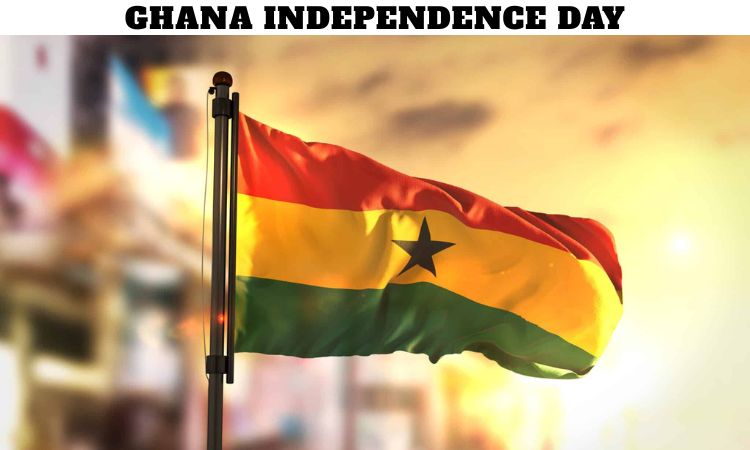
The night of independence was marked by jubilation and ceremony. At the Old Polo Grounds in Accra, thousands gathered as the Union Jack was lowered and the new Ghanaian flag was raised. The red, gold, and green tricolor, with a bold black star at its center, symbolized sacrifice, mineral wealth, fertile land, and African freedom.
The black star, now known globally as the Black Star of Africa, became a powerful emblem of unity and pride. Fireworks, cultural performances, and official speeches filled the air with celebration. It was a defining moment not only for Ghana but for all of Africa.
Why Is Ghana Independence Day Important for Africa?
Ghana’s independence set a precedent. As the first sub-Saharan African country to break free from colonial rule, Ghana inspired neighboring nations to intensify their own liberation movements. Countries such as Nigeria, Kenya, and Tanzania soon followed in their pursuit of sovereignty.
Nkrumah championed Pan-Africanism, advocating solidarity among African states. His efforts contributed to the formation of the Organization of African Unity, now known as the African Union. Ghana’s independence became a symbol of African capability and political maturity.
We recognize Ghana Independence Day as a continental milestone, not just a national celebration.
How Is Ghana Independence Day Celebrated Today?
Modern celebrations of Ghana Independence Day combine patriotic ceremonies with vibrant cultural displays. The centerpiece is the national parade, often held in Accra, where the President addresses the nation. Military regiments, schoolchildren, and security services participate in synchronized marches showcasing discipline and unity.
Across the country, towns and villages organize flag-raising ceremonies, cultural festivals, and community gatherings. Traditional music, drumming, and dance performances highlight Ghana’s rich ethnic diversity. Citizens proudly wear clothing in national colors, and the Ghanaian flag is displayed in homes, schools, and businesses.
Ghanaians in the diaspora also commemorate the day through events, educational programs, and social media campaigns celebrating their heritage.
What Does the Ghanaian Flag Represent?
The national flag of Ghana carries profound symbolism. Designed by Theodosia Okoh, it consists of three horizontal stripes: red, gold, and green, with a black five-pointed star centered in the gold band.
Red represents the blood shed by martyrs in the struggle for independence.
Gold signifies Ghana’s rich mineral resources.
Green reflects the nation’s lush forests and agricultural wealth.
Black Star symbolizes African freedom and unity.
The Black Star became so influential that it inspired the name of Ghana’s national football team, the Black Stars, and remains a central icon of Ghanaian identity.
How Has Ghana Evolved Since Independence?
Since 1957, Ghana has navigated political transitions, economic reforms, and social transformation. After periods of military rule and political instability, Ghana emerged as one of Africa’s most stable democracies.
Today, Ghana conducts regular multiparty elections and enjoys peaceful transfers of power. Economic sectors such as gold mining, cocoa production, and oil exploration contribute significantly to national revenue. The discovery of oil in the 21st century further diversified the economy.
Education and healthcare have expanded, and infrastructure projects continue to modernize cities and rural communities alike. Ghana is widely regarded as a model of democratic governance in West Africa.
What Cultural Traditions Define Ghana Independence Day?
Cultural expression lies at the heart of Ghana Independence Day. Traditional chiefs and community leaders participate in durbars—ceremonial gatherings featuring colorful regalia and elaborate rituals. Drumming ensembles and dance troupes perform symbolic dances that reflect historical narratives and communal pride.
Local cuisine plays an important role in celebrations. Families prepare dishes such as jollof rice, fufu, banku, and grilled tilapia. Food becomes a shared experience of heritage and unity.
Art exhibitions, poetry recitals, and theatrical performances highlight themes of freedom, resilience, and identity. We see independence not merely as a political achievement but as a cultural awakening that continues to thrive.
How Does Ghana Independence Day Inspire Future Generations?
Ghana Independence Day reinforces the values of unity, responsibility, and national pride. Schools organize educational programs that teach students about the independence struggle and the sacrifices made by earlier generations.
Young people participate in debates, essay competitions, and creative projects centered on patriotism and civic duty. The message remains clear: independence is not static; it requires constant dedication to democratic principles, economic growth, and social harmony.
By remembering March 6, we strengthen national consciousness and inspire innovation for the future.
What Is the Global Significance of Ghana’s Independence Day?
Internationally, Ghana Independence Day is recognized by diplomatic missions and global communities. Embassies host receptions and cultural showcases that promote Ghana’s history and achievements.
The day also serves as an opportunity to reflect on broader themes of decolonization and human rights. Ghana’s peaceful path to sovereignty demonstrates the power of organized political action and collective determination.
We observe how Ghana’s independence continues to resonate as a symbol of empowerment and progress across the developing world.
Why Does Ghana’s Independence Day Remain Relevant Today?
More than six decades after independence, March 6 remains deeply relevant. It reminds us of the cost of freedom and the importance of unity in diversity. Ghana is home to multiple ethnic groups, languages, and traditions, yet Independence Day underscores a shared national identity.