

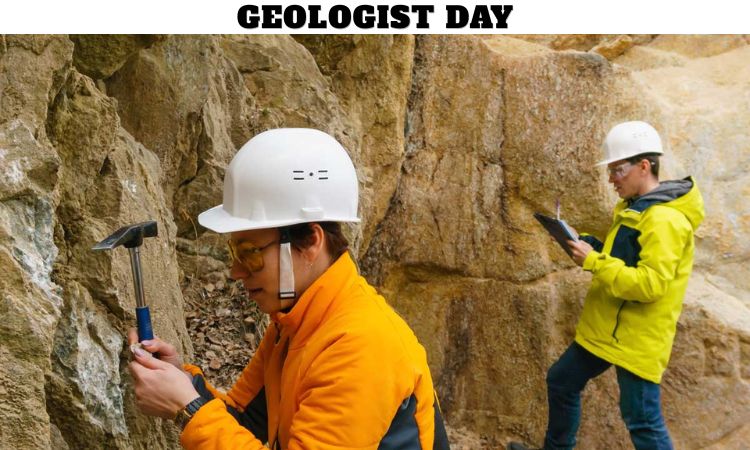
What Is Geologist Day and Why Is It Celebrated on April 5?
Geologist Day, observed annually on April 5, is a significant occasion dedicated to recognizing the invaluable contributions of geologists in understanding the Earth’s structure, history, and processes. This day honors professionals who study rocks, minerals, fossils, and the dynamic forces shaping our planet. It serves as a tribute to their role in advancing knowledge about natural resources, environmental sustainability, and geological hazards.
We celebrate Geologist Day to acknowledge the dedication of scientists who work in challenging environments—from remote mountains to deep underground mines—to uncover insights that benefit industries, governments, and society as a whole. Their research helps us make informed decisions about resource management, disaster prevention, and environmental conservation.
How Did Geologist Day Originate and Gain Recognition?
The origins of Geologist Day can be traced back to the Soviet Union, where it was first established in 1966 to celebrate the achievements of geologists in mineral exploration and resource discovery. The timing of early April was chosen to mark the beginning of the fieldwork season, when geologists embark on expeditions after winter.
Over time, this observance gained international recognition, with many countries adopting it as a day to honor geological professionals. Today, it is celebrated through academic events, field trips, seminars, and awareness campaigns that highlight the importance of geology in modern society.
What Does a Geologist Do in Their Professional Role?
Geologists are scientists who study the Earth’s physical structure, composition, and history. Their work involves analyzing rocks, minerals, and fossils to understand how the planet has evolved over millions of years.
Key responsibilities of geologists include:
- Exploring natural resources such as oil, gas, minerals, and groundwater
- Studying geological formations to understand Earth’s history
- Assessing the environmental impact of construction and mining projects
- Predicting natural disasters like earthquakes, landslides, and volcanic eruptions
- Conducting fieldwork and laboratory research
Their expertise is essential in industries such as energy, mining, construction, and environmental science.
Why Is Geology Important for Modern Society?
Geology plays a critical role in shaping modern civilization. It provides the foundation for understanding Earth’s resources, environmental challenges, and natural hazards.
The importance of geology can be seen in:
- Resource Management – Ensuring sustainable extraction of minerals and fuels
- Infrastructure Development – Evaluating land stability for construction projects
- Disaster Mitigation – Identifying risk zones for earthquakes and floods
- Environmental Protection – Monitoring pollution and soil degradation
Without geology, it would be impossible to effectively manage the natural systems that support human life.
How Do Geologists Study the Earth and Its Processes?
Geologists use a combination of fieldwork, laboratory analysis, and advanced technology to study the Earth. Their methods include:
- Rock and mineral analysis to determine composition and age
- Seismic surveys to study underground structures
- Satellite imaging and GIS mapping for large-scale observations
- Radiometric dating to estimate the age of rocks and fossils
These techniques help geologists uncover the history of the Earth, including the formation of continents, oceans, and life itself.
What Are the Different Types of Geologists?
Geology is a diverse field with several specialized branches. Some of the main types of geologists include:
- Petroleum Geologists – Focus on oil and gas exploration
- Environmental Geologists – Study the impact of human activity on the Earth
- Engineering Geologists – Assess geological conditions for construction projects
- Volcanologists – Study volcanoes and volcanic activity
- Seismologists – Analyze earthquakes and seismic waves
- Paleontologists – Study fossils and ancient life forms
Each specialization contributes to a deeper understanding of the Earth’s systems.
How Can We Celebrate Geologist Day Effectively?
Geologist Day can be celebrated in meaningful and educational ways that promote awareness and appreciation of geology:
1. Participate in Educational Events
Attend seminars, workshops, or lectures that discuss geological discoveries and innovations.
2. Visit Geological Sites or Museums
Exploring natural landmarks or museums helps us understand geological formations and history.
3. Organize Field Trips
Schools and institutions can arrange field trips to rock formations, quarries, or fossil sites.
4. Encourage Student Interest
Introduce students to geology through interactive activities and experiments.
5. Appreciate Geologists
Recognize the efforts of professionals working in the field through awards or acknowledgments.
What Are the Major Contributions of Geologists to Humanity?
Geologists have made numerous contributions that have transformed human life:
- Discovery of natural resources that power industries and economies
- Understanding plate tectonics, which explains earthquakes and mountain formation
- Development of environmental protection strategies
- Advancement of climate change research
- Improvement in hazard prediction and disaster preparedness
Their work ensures the sustainable use of Earth’s resources while protecting ecosystems.
What Challenges Do Geologists Face in Their Work?
Geologists often encounter significant challenges due to the nature of their work:
- Remote and hazardous locations
- Extreme weather conditions
- Complex data interpretation
- Environmental and ethical concerns
Despite these challenges, geologists continue to push boundaries to expand our understanding of the planet.
How Can Students Build a Career in Geology?
A career in geology requires a strong foundation in science and analytical skills. Students interested in this field can follow these steps:
- Pursue a degree in geology or Earth sciences
- Gain fieldwork experience and internships
- Develop skills in data analysis and technology
- Specialize in a specific area, such as environmental or petroleum geology
Career opportunities are available in government agencies, research institutions, private companies, and environmental organizations.
What Is the Future of Geology in a Changing World?
The future of geology is closely tied to global challenges such as climate change, resource scarcity, and environmental sustainability. Geologists will play a crucial role in:
- Developing renewable energy solutions
- Managing water resources
- Mitigating natural disasters
- Supporting sustainable development initiatives
As the world evolves, the demand for geological expertise will continue to grow.
Frequently Asked Questions (FAQs)
1. When is Geologist Day celebrated?
Geologist Day is celebrated every year on April 5.
2. What is the purpose of Geologist Day?
The purpose is to honor geologists and raise awareness about the importance of geology.
3. Who celebrates Geologist Day?
It is celebrated by geologists, students, researchers, and academic institutions worldwide.
4. What does a geologist study?
Geologists study rocks, minerals, fossils, and Earth’s processes.
5. Why is geology important?
Geology helps in resource management, disaster prevention, and environmental protection.
6. How did Geologist Day start?
It originated in the Soviet Union in 1966 to honor geological achievements.
7. What industries employ geologists?
Geologists work in mining, oil and gas, construction, and environmental sectors.
8. What skills are required to become a geologist?
Skills include analytical thinking, fieldwork ability, and scientific knowledge.
9. How can students celebrate Geologist Day?
Students can participate in field trips, educational events, and geology projects.
10. What is the future scope of geology?
Geology has strong future prospects in sustainability, energy, and environmental management.