

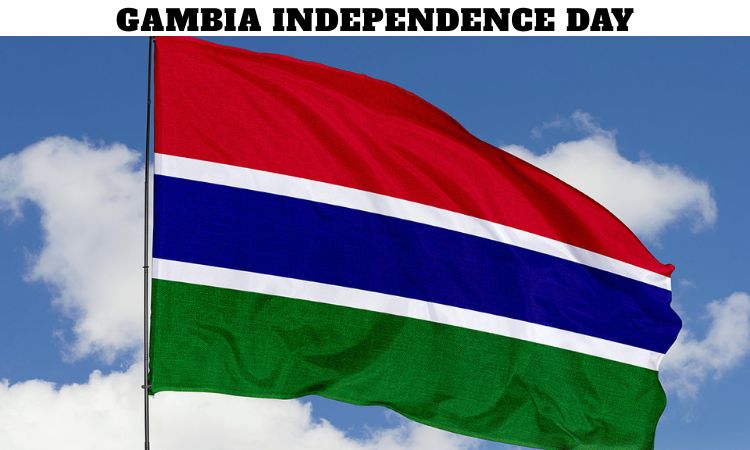
Gambia Independence Day, observed every year on February 18, marks the historic moment when the Republic of The Gambia gained full sovereignty from British colonial rule in 1965. This national holiday stands as one of the most important dates in the country’s history, symbolizing freedom, resilience, unity, and national pride. Across towns and villages—from the capital city of Banjul to rural communities along the Gambia River—the day is celebrated with patriotic enthusiasm and deep respect for the nation’s journey to independence.
Historical Background of Gambian Independence
The story of Gambian independence is rooted in centuries of cultural heritage, trade, colonial influence, and political transformation. Before colonial rule, the region that is now The Gambia was part of powerful West African kingdoms and trading networks. Its strategic location along the Gambia River made it significant for commerce and later for European colonial interests.
During the 19th century, Britain formally established colonial control over the territory. For decades, the region functioned as a British colony and protectorate. While colonial administration introduced infrastructure and governance systems, it also limited political autonomy and economic independence.
The push toward self-governance gained momentum in the mid-20th century as nationalist movements spread across Africa. Inspired by independence movements in neighboring countries, Gambian leaders mobilized citizens around the ideals of democracy, representation, and sovereignty.
On February 18, 1965, The Gambia officially became an independent nation within the Commonwealth. This milestone marked the beginning of a new era defined by self-determination and constitutional governance.
The Role of Sir Dawda Jawara
A central figure in The Gambia’s independence movement was Dawda Jawara. As leader of the People’s Progressive Party, he guided the nation through constitutional negotiations and democratic transitions.
Following independence, Jawara became the country’s first Prime Minister and later its first President when The Gambia became a republic in 1970. His leadership played a crucial role in shaping the nation’s political foundations, emphasizing multiparty democracy, peaceful governance, and international cooperation.
His legacy remains closely associated with the values celebrated on Independence Day—unity, resilience, and progress.
The Significance of February 18
February 18 represents far more than a historical date. It symbolizes:
National sovereignty
Political freedom
Democratic governance
Cultural pride
Unity among diverse ethnic communities
The Gambia is home to multiple ethnic groups, including Mandinka, Fula, Wolof, Jola, and Serahule communities. Independence Day serves as a reminder that despite linguistic and cultural differences, the nation stands united under one flag.
The Gambian flag itself—featuring red, blue, and green stripes separated by white bands—reflects the country’s geography and aspirations. The blue stripe represents the Gambia River, while red and green symbolize the sun and agricultural wealth.
How Gambia’s Independence Day Is Celebrated?
Celebrations across the country are vibrant, ceremonial, and patriotic. The capital city of Banjul becomes the center of national festivities, hosting official events attended by government leaders, diplomats, and citizens.
National Parades and March-Pasts
One of the highlights of Independence Day is the grand parade. Security forces, schoolchildren, cultural groups, and community organizations march in formation, showcasing discipline and national pride. Traditional attire, colorful uniforms, and synchronized performances create a festive atmosphere.
Presidential Address
The President of The Gambia delivers a national speech reflecting on the country’s achievements, challenges, and future aspirations. The address often emphasizes economic development, youth empowerment, education, and regional cooperation.
Cultural Performances
Traditional music and dance are integral to the celebration. Drumming ensembles, kora musicians, and dance troupes perform throughout the day. These cultural expressions highlight The Gambia’s rich artistic heritage and reinforce a shared national identity.
Sporting Events
Football matches and athletic competitions are organized nationwide, fostering community spirit and friendly rivalry. These activities unite citizens of all ages in celebration.
Community Gatherings
Families gather to share meals, reflect on history, and celebrate freedom. Schools often hold essay competitions and educational programs leading up to the holiday to teach younger generations about the significance of independence.
The Transition to a Republic
Although independence was achieved in 1965, The Gambia initially remained a constitutional monarchy within the Commonwealth. In 1970, following a referendum, the country became a republic. This transition marked another important step in strengthening national sovereignty and democratic governance.
The shift to republican status further solidified Gambian identity and self-rule, allowing the nation to chart its own political path while maintaining diplomatic relationships internationally.
Economic and Social Progress Since Independence
Independence laid the foundation for national development. Over the decades, The Gambia has made progress in:
Expanding access to education
Strengthening healthcare systems
Promoting tourism
Encouraging agricultural productivity
Supporting democratic reforms
Tourism, in particular, has become a major contributor to the economy, with visitors drawn to the country’s beaches, wildlife reserves, and cultural experiences. The Gambia’s nickname, “The Smiling Coast of Africa,” reflects the warmth and hospitality of its people.
Regional and International Relations
Since independence, The Gambia has maintained active participation in regional organizations such as the African Union and the Economic Community of West African States (ECOWAS). Diplomatic partnerships have supported economic growth, peacekeeping initiatives, and regional stability.
Independence Day also provides an opportunity to reaffirm commitments to international cooperation and development.
Youth and the Future of The Gambia
A significant portion of The Gambia’s population is young. Independence Day celebrations often highlight youth empowerment, entrepreneurship, and education as pillars of the nation’s future.
Schools and universities organize debates, historical reenactments, and cultural exhibitions to ensure that younger generations understand the sacrifices made for freedom. By educating youth about independence, the nation preserves its history while inspiring innovation and leadership.
The Symbolism of Unity
The Gambia is geographically unique—it stretches along the Gambia River and is almost entirely surrounded by Senegal. Despite its small size, it possesses a strong sense of national identity.
Independence Day reinforces unity among citizens across rural and urban areas. The shared celebration transcends ethnic and regional differences, reinforcing a collective national vision.
Reflection and National Pride
Beyond festivities, February 18 is also a day of reflection. Citizens remember the struggles and negotiations that led to independence. It is a moment to honor past leaders and ordinary individuals who contributed to the nation’s freedom.
The holiday fosters gratitude for peace and stability, while encouraging continued efforts toward economic resilience and democratic strengthening.
The Global Importance of Independence Days
Independence Day celebrations worldwide mark significant transitions from colonial rule to self-governance. For The Gambia, February 18 aligns it with other African nations that gained independence during the mid-20th century.
These milestones collectively reshaped global politics, empowering African states to participate in international decision-making and regional development.
Why Gambia’s Independence Day Matters Today?
In a rapidly changing world, Independence Day remains relevant. It reminds citizens that sovereignty requires responsibility, unity, and active participation in national development.
The day encourages:
Civic engagement
Respect for democratic institutions
Cultural preservation
National unity
It also inspires renewed commitment to addressing economic challenges and strengthening social progress.
Conclusion
Gambia Independence Day stands as a powerful symbol of freedom, resilience, and unity. From its colonial past to its sovereign present, The Gambia’s journey reflects determination and hope.