

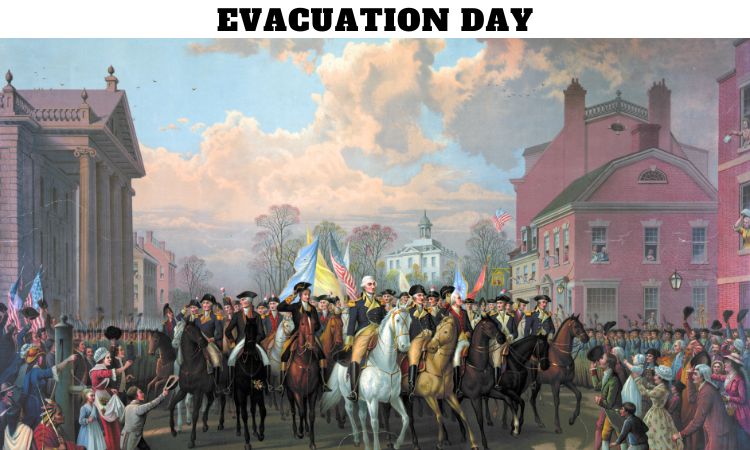
Evacuation Day, observed annually on March 17, is a historically significant commemorative event that marks the departure of British troops from Boston in 1776 during the American Revolutionary War. This moment symbolized a major strategic victory for the American colonial forces and became a defining milestone in the struggle for independence. Over time, the observance has evolved into a day of reflection, historical remembrance, civic pride, and cultural celebration.
We recognize Evacuation Day as more than a historical footnote. It represents a turning point that demonstrated resilience, tactical brilliance, and unity among revolutionary forces. Today, it continues to inspire communities through parades, educational initiatives, and patriotic observances.
Historical Background of Evacuation Day
The roots of Evacuation Day trace back to the siege of Boston, which lasted from April 1775 to March 1776. After the early confrontations at Lexington and Concord, colonial militias surrounded Boston, where British forces had established control. This tense standoff shaped the early dynamics of the American Revolution.
A decisive shift occurred when American troops fortified Dorchester Heights with artillery transported from Fort Ticonderoga. This strategic maneuver placed British forces in a vulnerable position. Faced with the threat of bombardment and the inability to sustain their occupation, British General William Howe decided to evacuate Boston.
On March 17, 1776, British troops and loyalist supporters boarded ships and departed the city. This withdrawal marked a symbolic victory that boosted morale among the revolutionaries and reinforced the viability of the independence movement.
Why is Evacuation Day celebrated on March 17?
The selection of March 17 as the date of observance is historically precise, commemorating the exact day British forces left Boston Harbor. Interestingly, this date coincides with St. Patrick’s Day, which has influenced the way Evacuation Day is celebrated, particularly in Boston and Massachusetts.
We see a unique cultural convergence where Irish-American heritage celebrations intertwine with patriotic remembrance. Parades and festivities often reflect both traditions, creating a vibrant atmosphere that honors history while embracing community identity.
Strategic Importance in the American Revolution
Evacuation Day represented the first major success for American forces during the Revolutionary War. The victory proved that colonial militias could challenge the strength and organization of British military power.
Several strategic advantages emerged from this event:
Boosted Revolutionary morale: The successful evacuation energized colonial supporters.
Strengthened military credibility: American forces gained confidence and recognition.
Shifted war dynamics: British troops redirected efforts to other regions, altering campaign strategies.
Encouraged foreign support: Victories like this helped build the case for international alliances.
We acknowledge that Evacuation Day helped lay the groundwork for eventual independence by demonstrating the effectiveness of coordinated resistance.
Evacuation Day as a Public Holiday
In certain parts of Massachusetts, particularly Suffolk County, Evacuation Day is recognized as an official public holiday. Government offices, courts, and some schools may close in observance.
The recognition of this holiday reflects the deep regional connection to Revolutionary War history. It also highlights the importance of preserving historical memory within civic life. For residents, the day provides an opportunity to engage with heritage through local events, reenactments, and educational programs.
Traditions and Celebrations Associated with Evacuation Day
Over the centuries, Evacuation Day has developed distinct traditions that blend historical remembrance with festive activities.
Parades and Community Gatherings
Large parades featuring marching bands, veterans’ groups, historical societies, and cultural organizations are central to the celebration. These events foster community participation and encourage intergenerational engagement with history.
Historical Reenactments
Reenactments of Revolutionary War scenes provide immersive educational experiences. Participants often wear period costumes and recreate military drills or strategic movements, allowing spectators to visualize the past.
Educational Programs
Museums, libraries, and schools host lectures, exhibitions, and guided tours focusing on Revolutionary War history. These initiatives promote awareness of the events leading to the evacuation and their broader implications.
Patriotic Ceremonies
Flag-raising ceremonies, wreath-laying events, and public speeches emphasize national pride and remembrance. These rituals reinforce the symbolic importance of the day.
Connection Between Evacuation Day and Irish Heritage
The coincidence of Evacuation Day with St. Patrick’s Day has contributed to its unique cultural identity. Boston’s large Irish-American population has historically played a significant role in shaping local celebrations.
We observe that this overlap has resulted in joint parades and shared festivities. Cultural expressions such as traditional Irish music, dance performances, and community feasts often accompany historical commemorations.
This blending of traditions illustrates how historical observances can evolve while maintaining their core significance.
Educational Value of Observing Evacuation Day
Evacuation Day offers meaningful opportunities for historical education. By revisiting the events of 1776, communities can deepen their understanding of the Revolutionary War and the broader struggle for independence.
Educational benefits include:
Encouraging critical analysis of historical events.
Promoting civic responsibility and national awareness.
Inspiring interest in local and national heritage.
Strengthening appreciation for democratic values.
We recognize that commemorative days like Evacuation Day serve as powerful tools for preserving collective memory
Tourism and Economic Impact
Historical observances contribute significantly to local tourism. Visitors travel to Boston and the surrounding areas to participate in parades, visit historic landmarks, and attend themed events.
Tourism related to Evacuation Day supports local businesses, including hotels, restaurants, and cultural institutions. The economic impact underscores the value of heritage-based celebrations in sustaining regional economies.
Modern Relevance of Evacuation Day
In contemporary society, Evacuation Day continues to resonate as a symbol of perseverance and strategic ingenuity. While the context of the Revolutionary War belongs to history, the principles it represents remain relevant.
We see parallels in modern discussions about freedom, unity, and resilience. Observing Evacuation Day encourages reflection on the sacrifices and determination that shaped the foundations of the United States.
It also serves as a reminder that historical victories often emerge from collective effort and visionary leadership.
How Communities Can Observe Evacuation Day Today?
Communities seeking to honor Evacuation Day can adopt various meaningful approaches:
Organizing educational workshops and history fairs.
Hosting virtual seminars featuring historians and scholars.
Encouraging school projects focused on Revolutionary War themes.
Promoting local heritage tourism initiatives.
Supporting preservation efforts for historical sites.
We believe that inclusive participation ensures the continued relevance of this important observance.
Preserving Historical Memory for Future Generations
The long-term significance of Evacuation Day depends on active preservation efforts. Archival research, historical storytelling, and public engagement play crucial roles in maintaining awareness.
Digital platforms now offer new avenues for sharing historical narratives. Interactive exhibits, online documentaries, and virtual tours can reach global audiences and inspire renewed interest in Revolutionary War history.
By integrating traditional commemorations with modern communication tools, we can ensure that Evacuation Day remains a vibrant and meaningful observance.
Conclusion
Evacuation Day on March 17 stands as a powerful reminder of strategic triumph and national determination during the American Revolutionary War. From its origins in the siege of Boston to its present-day celebrations, the observance reflects the enduring importance of historical memory.
Frequently Asked Questions (FAQs)
1. What is Evacuation Day?
Evacuation Day is a historical observance commemorating the withdrawal of British troops from Boston on March 17, 1776, during the American Revolutionary War.
2. Why is Evacuation Day celebrated on March 17?
It is celebrated on March 17 because this is the exact date when British forces evacuated Boston, marking a significant victory for American colonial troops.
3. Where is Evacuation Day officially observed?
Evacuation Day is primarily observed in parts of Massachusetts, especially in Suffolk County, where it is recognized as a local public holiday.
4. What historical event led to Evacuation Day?
The event followed the successful fortification of Dorchester Heights by American forces, which forced British troops to retreat from Boston.
5. Is Evacuation Day a federal holiday in the United States?
No, Evacuation Day is not a federal holiday. It is a regional observance with official recognition in certain local jurisdictions.
6. How do people celebrate Evacuation Day?
Celebrations may include parades, historical reenactments, educational programs, patriotic ceremonies, and community events.
7. Why is Evacuation Day associated with St. Patrick’s Day?
Both are observed on March 17, and in cities like Boston, joint celebrations often take place due to the strong Irish-American cultural presence.
8. What was the significance of Evacuation Day in the American Revolution?
It marked one of the first major strategic successes for American forces, boosting morale and demonstrating the effectiveness of colonial resistance.
9. Are schools and government offices closed on Evacuation Day?
In some areas where the holiday is officially recognized, certain public offices, courts, and schools may be closed.
10. Why is Evacuation Day important today?
Evacuation Day remains important as a symbol of resilience, unity, and the pursuit of independence, encouraging continued interest in American history.