

What Is the Historical Significance of Estonia’s Independence Day?
Estonia Independence Day, known in Estonian as Iseseisvuspäev, marks the declaration of independence of the Republic of Estonia in 1918. On February 24, 1918, amid the turmoil of World War I and the collapse of the Russian Empire, Estonia proclaimed itself an independent democratic republic. This historic act laid the foundation for a sovereign nation built on freedom, national identity, and self-determination.
The declaration was read publicly in Tallinn, signaling Estonia’s determination to govern itself. Though independence was immediately challenged by foreign occupations and military conflict, the resolve of the Estonian people remained steadfast. The War of Independence that followed solidified the country’s sovereignty and strengthened its national spirit.
This day is more than a commemoration of a political event—it is a powerful reminder of resilience, unity, and the enduring pursuit of freedom.
How Did Estonia Achieve Its Independence in 1918?
Estonia’s path to independence was shaped by shifting geopolitical forces. During World War I, the weakening of imperial powers created an opportunity for national movements across Europe. Estonia, which had been under Russian rule for centuries, seized this moment to assert its autonomy.
The Estonian Declaration of Independence was drafted and announced at a critical juncture between retreating Russian forces and advancing German troops. Shortly afterward, Estonia faced occupation and conflict, leading to the Estonian War of Independence (1918–1920).
Through determination and strategic alliances, Estonia secured victory. The signing of the Treaty of Tartu in 1920 formally recognized Estonia’s independence. This treaty established Estonia as a sovereign nation in the international community.
Why Is February 24 So Important to Estonian Identity?
February 24 symbolizes the birth of the modern Estonian state. It represents:
National unity
Democratic values
Cultural pride
Historical perseverance
For Estonians, this day embodies the strength of a small nation determined to protect its language, heritage, and independence. The celebration transcends generations, connecting citizens to their shared history and collective future.
It is also a reflection of Estonia’s commitment to democratic governance, innovation, and international cooperation in the modern era.
How Is Estonia’s Independence Day Celebrated Today?
Estonia’s Independence Day is celebrated with dignity, pride, and patriotic fervor throughout the country.
Flag-Raising Ceremonies
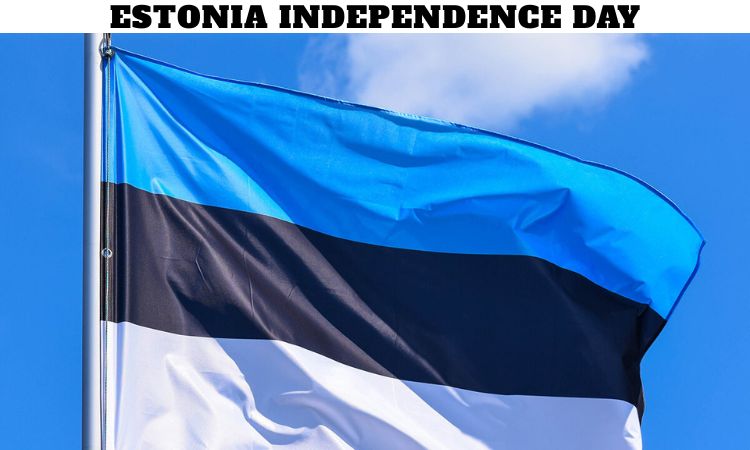
The day traditionally begins with a sunrise flag-raising ceremony at Toompea Castle in Tallinn. The blue, black, and white Estonian flag is raised while the national anthem is played. Citizens gather to honor the nation’s history and values.
Military Parade
A ceremonial military parade showcases Estonia’s defense forces and highlights national security and unity. The event often features speeches by national leaders, reaffirming Estonia’s sovereignty and democratic principles.
Presidential Reception
A formal state reception hosted by the President of Estonia is one of the most prestigious events of the year. This gathering honors distinguished citizens and cultural figures who have contributed to the country’s progress.
Community Celebrations
Across towns and villages, schools, cultural organizations, and local communities host concerts, exhibitions, and traditional performances. Families gather to share festive meals and reflect on the importance of independence.
What Does the Estonian Flag Represent?
The Estonian flag consists of three horizontal stripes:
Blue symbolizes the sky, loyalty, and faith
Black represents the soil, hardships, and perseverance
White stands for purity, hope, and aspirations
These colors reflect both the natural landscape and the emotional journey of the Estonian people. On Independence Day, the flag is displayed prominently across homes, government buildings, and public spaces.
How Did Estonia Regain Independence After Soviet Occupation?
While Estonia declared independence in 1918, its sovereignty was interrupted during World War II. The country endured occupations by both Nazi Germany and the Soviet Union. Estonia remained under Soviet control for nearly five decades.
In the late 1980s, the Singing Revolution emerged as a peaceful movement advocating for independence. Mass gatherings, patriotic songs, and nonviolent protests demonstrated the unwavering desire for freedom.
On August 20, 1991, Estonia restored its independence following the collapse of the Soviet Union. This marked a second defining chapter in the nation’s history. Although Independence Day remains February 24, August 20 is also commemorated as Restoration of Independence Day.
Why Is Estonia Independence Day Important Internationally?
Estonia’s independence story resonates globally as an example of peaceful resistance, democratic transformation, and national resilience. Today, Estonia is a respected member of the European Union, NATO, and other international organizations.
The country is widely recognized for:
Digital innovation and e-governance
Cybersecurity leadership
Transparent democratic institutions
Economic modernization
Independence Day highlights Estonia’s journey from occupation to technological pioneer, inspiring other nations seeking freedom and reform.
What Role Does Culture Play in the Celebration?
Cultural expression is central to Estonia Independence Day. Music, literature, and art reflect the national identity and historical journey.
Traditional folk songs and choral performances often accompany official events. Estonia’s strong choral tradition symbolizes unity and collective spirit, echoing the peaceful protests that helped restore independence in 1991.
Poetry readings and historical exhibitions further deepen public understanding of Estonia’s past, ensuring that younger generations remain connected to their heritage.
How Do Schools and Youth Participate in Independence Day?
Educational institutions play a significant role in preserving historical awareness. Schools organize:
History lessons focused on independence
Essay competitions
Patriotic performances
Flag ceremonies
Students learn about the sacrifices and achievements that shaped their country. By engaging youth in commemorative activities, Estonia reinforces national identity and civic responsibility.
What Are Traditional Foods Enjoyed on This Day?
Although Independence Day is primarily a patriotic occasion, families often gather to share traditional Estonian cuisine. Popular dishes include:
Roast pork with sauerkraut
Black bread
Potato dishes
Pastries and desserts
These meals strengthen family bonds and reinforce cultural continuity.
How Does Estonia Independence Day Reflect Modern Estonia?
Today’s Estonia is a dynamic, forward-looking nation grounded in democratic values and technological advancement. Independence Day celebrates not only historical achievements but also contemporary success.
Estonia has become a leader in digital governance, offering online voting and comprehensive e-services. This modern transformation demonstrates how independence has enabled innovation and global engagement.
The holiday bridges past and present, reminding citizens that sovereignty empowers progress.
Why Does Estonia Independence Day Matter for the Future?
Independence Day serves as a reminder that freedom requires vigilance, unity, and civic participation. The lessons of history emphasize the importance of safeguarding democratic institutions and protecting national sovereignty.
For future generations, February 24 represents:
The courage to stand for freedom
The value of unity
The strength of peaceful resistance
The promise of continued innovation
It is both a commemoration and a call to responsibility.
Conclusion: A Day of Pride, Reflection, and Unity
Estonia Independence Day stands as a powerful testament to resilience and determination. From its declaration in 1918 to the restoration of independence in 1991, Estonia’s journey has been marked by courage and perseverance.