

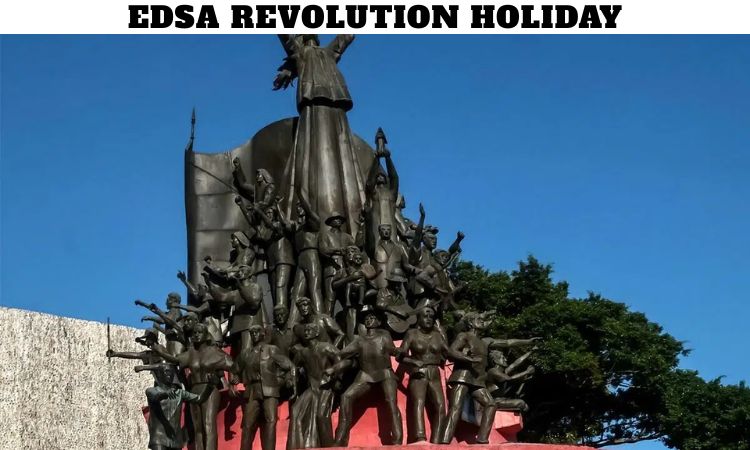
What Is the EDSA Revolution Holiday and Why Is February 25 Significant?
The EDSA Revolution Holiday, observed every February 25, commemorates one of the most defining moments in Philippine history—the peaceful People Power Revolution of 1986. This national observance honors the collective courage of millions of Filipinos who gathered along Epifanio de los Santos Avenue (EDSA) to demand democratic reform and bring an end to authoritarian rule.
February 25 symbolizes the triumph of unity, faith, and nonviolent resistance. It marks the restoration of democratic institutions and the reaffirmation of civil liberties in the Philippines. The holiday serves as a reminder that when citizens stand together with resolve and conviction, transformative change becomes possible.
What Happened During the 1986 EDSA People Power Revolution?
The EDSA People Power Revolution unfolded over four historic days from February 22 to 25, 1986. Sparked by widespread dissatisfaction with electoral irregularities and prolonged authoritarian governance, the movement quickly grew into a massive peaceful uprising.
Millions of Filipinos—civilians, religious leaders, students, professionals, and members of the armed forces—converged along EDSA in Metro Manila. Armed not with weapons but with prayers, rosaries, flowers, and songs, they formed a human barricade that symbolized peaceful defiance.
On February 25, 1986, the revolution reached its culmination as leadership transitioned and a new democratic government was sworn into office. This moment marked the end of a long period of centralized rule and the beginning of democratic restoration.
Why Is It Called “People Power”?
The revolution earned the name “People Power” because it was driven not by military conquest but by the collective will of ordinary citizens. It demonstrated that peaceful civic action could achieve monumental political transformation.
The phrase reflects:
Mass civilian participation
Nonviolent resistance
Unity across social classes
Faith-driven advocacy
Commitment to democratic principles
The EDSA Revolution Holiday honors this extraordinary example of citizen empowerment and reinforces the belief that democracy thrives when people actively protect it.
How Is the EDSA Revolution Holiday Observed Across the Philippines?
Commemorations of February 25 vary from year to year, but the essence remains constant: remembrance, reflection, and reaffirmation of democratic values.
1. Commemorative Ceremonies
Government institutions, civil society groups, and educational organizations hold ceremonies honoring the courage of those who participated in the revolution. Speeches highlight the enduring importance of freedom and constitutional governance.
2. Religious Gatherings and Prayer Vigils
Faith played a central role during the revolution. Churches and religious communities often conduct prayer services to remember the spiritual strength that united the nation during those pivotal days.
3. Educational Programs
Schools and universities organize forums, debates, and history lessons to educate younger generations about the significance of People Power. These initiatives ensure that the lessons of 1986 remain relevant.
4. Cultural Exhibitions
Museums and cultural institutions host exhibits showcasing photographs, memorabilia, documentaries, and firsthand accounts from participants in the revolution.
What Democratic Values Does February 25 Represent?
The EDSA Revolution Holiday stands as a powerful symbol of democratic principles, including:
Freedom of expression
Rule of law
Accountability in governance
Peaceful civic engagement
Protection of human rights
February 25 reinforces the understanding that democracy is sustained not merely through elections but through vigilant citizen participation and institutional integrity.
How Did the EDSA Revolution Impact Philippine Governance?
The events of February 1986 led to significant constitutional and institutional reforms. A new constitution was drafted and ratified in 1987, strengthening democratic safeguards and restoring checks and balances within government.
Key impacts included:
Reestablishment of democratic elections
Strengthening of independent branches of government
Restoration of press freedom
Protection of civil liberties
Enhanced mechanisms for public accountability
The EDSA Revolution Holiday therefore commemorates not only a political transition but also the structural renewal of democratic governance.
Why Does the EDSA Revolution Continue to Influence Modern Philippine Society?
Even decades later, the legacy of People Power continues to shape national discourse. February 25 serves as an annual checkpoint—a moment to evaluate the health of democratic institutions and civic engagement.
The revolution’s influence is evident in:
Vibrant civil society organizations
Active media participation
Youth-led advocacy movements
Transparent electoral processes
Public demand for ethical leadership
The EDSA Revolution Holiday reminds citizens that democratic rights require continuous protection.
What Role Did Ordinary Citizens Play in the 1986 Revolution?
The strength of the EDSA movement lay in its inclusivity. Participants represented every sector of society:
Students and youth leaders
Religious clergy and laypeople
Business professionals
Labor groups
Military defectors
Families and community members
Their unified presence demonstrated that change is not reserved for political elites but is driven by collective action. The holiday honors this shared responsibility.
How Does the EDSA Revolution Holiday Inspire the Youth?
For younger generations who did not witness 1986 firsthand, February 25 serves as an educational bridge connecting history to present-day responsibilities.
Youth engagement initiatives emphasize:
Civic literacy
Responsible voting
Community leadership
Social accountability
Peaceful activism
The EDSA Revolution Holiday encourages young Filipinos to view democracy as both a privilege and a duty.
What Lessons Can We Learn from the EDSA Revolution?
The People Power Revolution offers enduring lessons relevant not only to the Philippines but to the global community.
1. Unity Creates Strength
Diverse groups united under a common goal can overcome formidable challenges.
2. Peaceful Resistance Is Powerful
Nonviolence can be a transformative force capable of altering political landscapes.
3. Democracy Requires Vigilance
Freedom must be safeguarded through active participation and institutional integrity.
4. Leadership Must Remain Accountable
Transparent governance builds public trust and stability.
The EDSA Revolution Holiday reinforces these lessons annually, ensuring they remain part of national consciousness.
How Does February 25 Strengthen National Identity?
Commemorating the EDSA Revolution strengthens collective identity rooted in resilience and shared sacrifice. The holiday fosters pride in a moment when the Filipino people demonstrated moral courage and solidarity before the world.
National identity is reinforced through:
Historical remembrance
Civic dialogue
Public service initiatives
Cultural storytelling
February 25 connects past struggles to present aspirations, reinforcing unity across generations.
Is the EDSA Revolution Holiday a Public Holiday?
The EDSA Revolution Anniversary is typically observed as a special non-working holiday in the Philippines, although its official designation may vary depending on government proclamations in a given year.
When declared a non-working holiday, it provides citizens time to participate in commemorative activities, reflect on historical significance, and engage in educational events.
How Has the Global Community Viewed the EDSA Revolution?
The 1986 People Power movement attracted international attention as a model of peaceful democratic transition. It inspired similar nonviolent movements worldwide, demonstrating that civic unity can reshape governance structures without armed conflict.
The global recognition of the EDSA Revolution elevated the Philippines as an example of peaceful reform, reinforcing its role in promoting democratic values on the international stage.
Why Is Remembering February 25 Essential Today?
In a rapidly evolving political and social landscape, the principles upheld during the EDSA Revolution remain profoundly relevant. Remembering February 25 ensures that future generations understand the cost of freedom and the responsibility that accompanies it.
Commemoration prevents historical amnesia. It strengthens civic awareness and reinforces the collective commitment to transparency, justice, and participation.
The EDSA Revolution Holiday stands not merely as a tribute to past achievements but as a call to action—urging every citizen to uphold democratic ideals in daily life.
How Can Citizens Meaningfully Observe the EDSA Revolution Holiday?
Citizens can commemorate February 25 through:
Participating in civic discussions
Studying historical accounts of 1986
Engaging in community service
Supporting initiatives that promote transparency and accountability
Encouraging informed and responsible voting
Active engagement transforms remembrance into meaningful civic practice.
What Makes the EDSA Revolution Holiday Unique Among National Observances?
Unlike holidays rooted solely in independence or military victories, the EDSA Revolution Holiday celebrates peaceful civic empowerment. It honors a moment when unity, prayer, and courage reshaped national destiny.
Its uniqueness lies in:
Nonviolent mass mobilization
Broad social participation
Democratic restoration
Global influence
Enduring civic inspiration
February 25 stands as a testament to the strength of people united by principle.
The EDSA Revolution Holiday – February 25 remains a powerful national observance that honors courage, unity, and democratic restoration. It serves as both remembrance and renewal—reminding us that the preservation of freedom rests in collective hands. Through reflection, education, and civic engagement, the spirit of People Power continues to guide the Philippines toward a resilient and participatory future.