

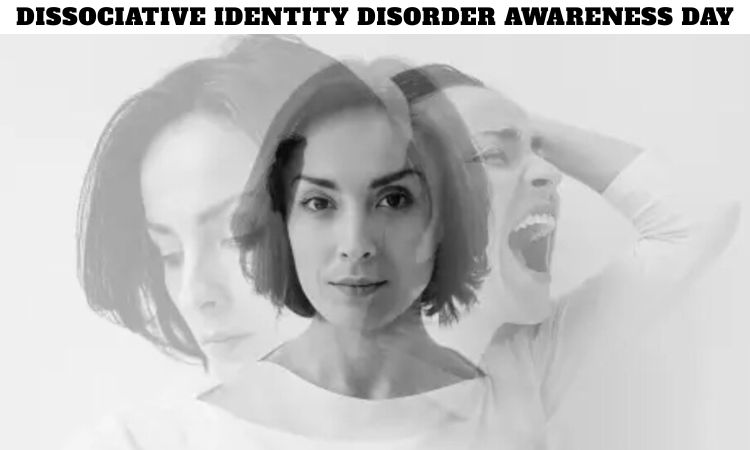
What Is Dissociative Identity Disorder Awareness Day and Why Is It Observed on March 5?
Dissociative Identity Disorder (DID) Awareness Day, observed annually on March 5, is dedicated to increasing public understanding of Dissociative Identity Disorder, reducing stigma, and supporting individuals living with this complex mental health condition. The date symbolizes the experience of identity fragmentation that people with DID often face, making it a meaningful occasion for advocacy, education, and compassion.
We recognize this day as an opportunity to highlight the realities of trauma-related disorders and encourage informed conversations about mental health. Organizations such as the International Society for the Study of Trauma and Dissociation actively contribute to research, education, and awareness campaigns that help both professionals and the public better understand dissociative conditions.
What Exactly Is Dissociative Identity Disorder?
Dissociative Identity Disorder is a severe psychological condition characterized by the presence of two or more distinct identity states, often referred to as “alters.” These identity states may have unique behaviors, memories, emotional patterns, and perceptions of the world.
DID is typically associated with chronic trauma during early childhood, particularly experiences involving abuse, neglect, or overwhelming stress. Dissociation becomes a coping mechanism, allowing the mind to separate traumatic memories from conscious awareness to survive emotionally.
Common symptoms include:
Memory gaps or amnesia
Feeling detached from oneself or surroundings
Sudden shifts in behavior or personality
Loss of time
Emotional distress and anxiety
Difficulty maintaining relationships
Understanding these symptoms is crucial because DID is often misunderstood and misdiagnosed, leading to delayed treatment.
Why Is Awareness About DID So Important?
Awareness plays a critical role in reducing misconceptions and stigma. Many individuals with DID face skepticism, discrimination, or disbelief, which can worsen their mental health challenges. Increased awareness helps society recognize that DID is:
A legitimate medical condition
Strongly linked to trauma rather than imagination
Treatable with appropriate therapy
Often misunderstood due to media portrayals
Education encourages empathy and ensures individuals receive proper support instead of judgment.
How Does Trauma Influence the Development of DID?
Trauma is considered the primary contributing factor in the development of Dissociative Identity Disorder. When children experience overwhelming events that exceed their coping capacity, the brain may compartmentalize experiences to protect psychological functioning.
This survival mechanism can lead to:
Fragmented identity formation
Memory separation between identity states
Emotional dissociation
Protective psychological barriers
Over time, these coping mechanisms evolve into distinct identities, each managing different aspects of life or trauma memories. Understanding trauma’s role is essential for compassionate treatment approaches.
What Are the Common Myths About Dissociative Identity Disorder?
There are numerous myths surrounding DID, many influenced by sensational media portrayals. Awareness Day aims to correct misinformation, including:
Myth: People with DID are dangerous or violent.
Reality: Individuals with DID are far more likely to harm themselves than others.
Myth: DID is extremely rare.
Reality: Research suggests it may be more common than previously believed but underdiagnosed.
Myth: DID is the same as schizophrenia.
Reality: Schizophrenia involves psychosis, while DID involves identity dissociation.
Myth: DID is fake or attention-seeking behavior.
Reality: DID is recognized in diagnostic manuals and supported by clinical research.
Addressing these myths promotes accurate understanding and reduces stigma.
How Does DID Affect Daily Life?
Living with Dissociative Identity Disorder can significantly impact daily functioning. Individuals may struggle with:
Maintaining consistent employment
Managing relationships
Memory continuity
Emotional regulation
Identity confusion
Simple tasks may become complicated due to memory gaps or identity switches, making everyday life unpredictable. Supportive environments and therapy can improve stability and functioning.
What Treatment Options Are Available for DID?
Treatment for DID focuses on long-term psychotherapy aimed at healing trauma and improving integration between identity states. Effective approaches include:
Trauma-Focused Therapy
Helps individuals process traumatic memories safely.
Cognitive Behavioral Therapy (CBT)
Addresses negative thought patterns and coping strategies.
Dialectical Behavior Therapy (DBT)
Improves emotional regulation and interpersonal skills.
Eye Movement Desensitization and Reprocessing (EMDR)
Assists in trauma processing for some individuals.
Medication may also be prescribed to manage symptoms such as depression, anxiety, or sleep disturbances, though there is no medication specifically for DID itself.
The ultimate goal is often integration or harmonious cooperation between identities, leading to improved functioning and well-being.
Why Is Early Diagnosis Crucial?
Early diagnosis allows individuals to receive appropriate treatment before symptoms worsen. However, DID is frequently misdiagnosed as:
Borderline personality disorder
Post-traumatic stress disorder (PTSD)
Depression
Anxiety disorders
Psychotic disorders
Accurate diagnosis ensures targeted therapy and prevents years of ineffective treatment.
How Can Society Support People with DID?
Support from family, friends, and communities plays a vital role in recovery. We can contribute by:
Listening without judgment
Respecting experiences and boundaries
Encouraging professional help
Avoiding stereotypes
Promoting mental health education
Empathy and patience create safe spaces for healing and trust.
What Role Does Media Play in Public Perception?
Media portrayals significantly shape public understanding of DID. Films and television often dramatize or exaggerate symptoms, leading to misconceptions. For example, movies like Split have sparked conversations but also contributed to fear-based stereotypes.
Balanced and accurate representation is essential for reducing stigma and encouraging informed discussions about mental health.
Why Is Mental Health Awareness Connected to DID Awareness?
DID Awareness Day also emphasizes broader mental health awareness. Trauma-related disorders are often interconnected with conditions such as:
Post-traumatic stress disorder (PTSD)
Anxiety disorders
Depression
Substance use disorders
Promoting mental health literacy helps individuals recognize symptoms early and seek help without shame.
How Can Individuals Participate in DID Awareness Day?
Participation can take many forms, including:
Sharing educational resources on social media
Attending mental health webinars or workshops
Supporting trauma survivors
Wearing awareness colors or symbols
Donating to mental health organizations
Advocating for improved mental health services
Even small actions can create a meaningful impact by spreading knowledge and compassion.
What Are the Challenges Faced by People Living With DID?
Individuals with DID often encounter multiple barriers, including:
Social stigma
Misdiagnosis
Limited access to specialized therapy
Financial constraints
Lack of public understanding
Internal distress and confusion
Awareness initiatives aim to reduce these challenges by fostering acceptance and improving healthcare access.
How Does DID Awareness Benefit Public Health?
Increasing awareness improves public health outcomes by:
Encouraging early intervention
Reducing suicide risk
Promoting trauma-informed care
Strengthening mental health systems
Supporting survivors of abuse and neglect
When communities understand trauma-related conditions, they can respond more effectively and compassionately.
What Message Should We Take From Dissociative Identity Disorder Awareness Day?
The central message is one of compassion, understanding, and hope. DID is not a sign of weakness or instability—it is a survival response to overwhelming trauma. With proper treatment and support, individuals can lead meaningful and fulfilling lives.
March 5 reminds us that mental health awareness is a shared responsibility. By educating ourselves and supporting others, we contribute to a society where trauma survivors are treated with dignity and respect rather than stigma.
How Can We Continue Supporting Awareness Beyond March 5?
Awareness should extend beyond a single day. We can maintain momentum by:
Advocating for mental health funding
Promoting trauma-informed education
Supporting research initiatives
Encouraging open conversations about mental health
Practicing empathy in everyday interactions
Consistent advocacy ensures lasting change and better outcomes for those living with dissociative disorders.