

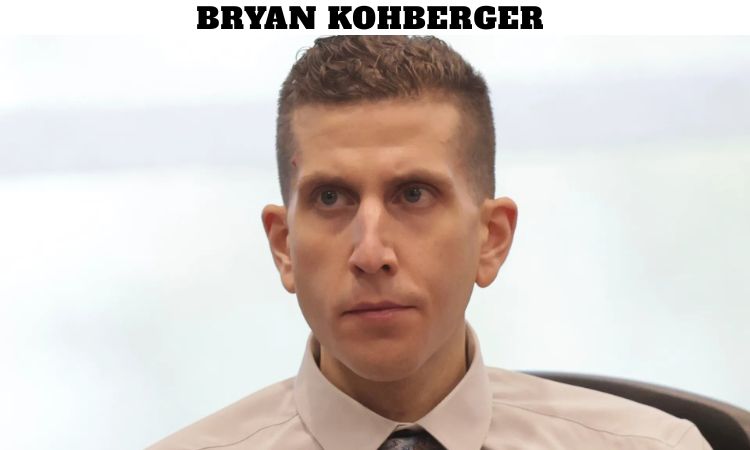
The case involving Bryan Kohberger has drawn extensive national and international attention due to its complexity, legal significance, and the widespread media coverage surrounding it. As one of the most discussed criminal investigations in recent American history, the story reflects evolving forensic techniques, digital evidence gathering, and public fascination with high-profile legal proceedings.
We present a detailed and factual exploration of the events, background information, investigation process, and judicial developments connected to Kohberger. This comprehensive profile aims to provide readers with a structured understanding of the circumstances and implications tied to the case.
Early Life and Academic Background
Bryan Kohberger was born in 1994 in the United States and grew up in Pennsylvania. Reports indicate that he demonstrated a strong academic inclination from an early age. He pursued higher education with dedication, eventually focusing on studies related to criminology and psychology.
Kohberger earned degrees from institutions such as DeSales University, where he developed an academic interest in criminal behavior, forensic analysis, and law enforcement methodologies. Later, he continued his education at Washington State University, where he enrolled in a doctoral program in criminology.
His academic trajectory suggested an analytical approach to crime and law enforcement processes, which later became a focal point of public and media scrutiny once allegations emerged.
The Idaho Murders Investigation
The case gained widespread attention following a tragic incident in Moscow, a college town known for its peaceful environment. Authorities launched an extensive investigation involving local police, state agencies, and federal law enforcement bodies.
Investigators reportedly relied on a combination of forensic evidence, digital surveillance analysis, and witness accounts. This multi-layered investigative strategy aimed to reconstruct timelines and identify potential suspects. Law enforcement agencies examined mobile phone data, vehicle movements, and DNA evidence to establish connections relevant to the case.
The involvement of advanced forensic technology marked a significant development, highlighting the modern capabilities available to investigative teams. The public closely followed updates, with news outlets providing continuous coverage of developments and procedural milestones.
Arrest and Legal Proceedings
Bryan Kohberger was arrested in December 2022 following weeks of investigative efforts. His apprehension took place in Pennsylvania, after authorities tracked his movements across state lines. The arrest represented a major turning point in the case, bringing a sense of progress to an investigation that had captured nationwide attention.
Subsequently, Kohberger was extradited to Idaho to face formal charges. Court appearances, preliminary hearings, and procedural filings became the focus of legal discourse. The judicial process emphasized constitutional protections, evidentiary standards, and the importance of due process within the American legal framework.
Legal experts observed that high-profile cases often involve complex litigation strategies. Defense attorneys and prosecutors alike presented arguments concerning admissibility of evidence, trial timelines, and potential jury considerations.
Role of Forensic Evidence and Digital Analysis
One of the defining aspects of the investigation involved the integration of forensic science with digital data analysis. Authorities reportedly examined DNA samples recovered from the crime scene, comparing them with databases and familial records.
In addition to biological evidence, digital footprints played a crucial role. Investigators analyzed smartphone location data, online activity patterns, and surveillance camera footage. This convergence of scientific disciplines underscored the evolving nature of criminal investigations in the digital age.
Experts in criminology noted that such methods can significantly strengthen prosecutorial cases by establishing circumstantial links and corroborating witness statements. The reliance on technological tools also sparked discussions about privacy considerations and data governance.
Media Coverage and Public Reaction
The case generated extensive media coverage across television networks, digital platforms, and social media channels. Continuous reporting shaped public perceptions and fueled widespread debate regarding crime, justice, and investigative transparency.
Communities across the United States expressed solidarity with victims’ families, while advocacy groups highlighted the importance of responsible reporting. The proliferation of online discussions reflected both the advantages and challenges of real-time information dissemination.
Public interest in the Kohberger case also contributed to renewed attention on campus safety measures and law enforcement preparedness. Educational institutions evaluated security protocols, emphasizing awareness campaigns and emergency response planning.
Impact on Criminal Justice Discussions
High-profile cases often influence broader conversations about the criminal justice system. The proceedings involving Bryan Kohberger prompted debates about forensic reliability, investigative ethics, and the role of academic research in understanding criminal behavior.
Scholars and practitioners examined how criminology programs prepare students for careers in law enforcement, policy development, and research. The case highlighted the intersection between theoretical knowledge and real-world applications.
Furthermore, the extensive use of technology in evidence collection reinforced the necessity for updated legal standards governing digital surveillance. Policymakers and legal analysts considered potential reforms aimed at balancing investigative effectiveness with civil liberties.
Psychological and Sociological Perspectives
From a psychological standpoint, public interest in criminal cases often stems from attempts to comprehend motivations and behavioral patterns. Researchers emphasize that understanding crime requires interdisciplinary analysis involving sociology, psychology, and environmental factors.
The Kohberger case became a focal point for discussions about offender profiling and risk assessment methodologies. Experts highlighted the importance of evidence-based approaches rather than speculation or sensational narratives.
Societal reactions also demonstrated how collective empathy and concern can influence public discourse. Community responses reflected broader anxieties regarding safety, trust, and institutional accountability.
Ongoing Trial Developments and Future Outlook
Legal proceedings related to Bryan Kohberger have continued to evolve, with pre-trial motions, evidentiary hearings, and scheduling considerations shaping the case trajectory. Observers note that complex criminal trials often span extended periods due to procedural requirements and the need for thorough examination of facts.
The outcome of the case is expected to carry significant implications for legal precedent, investigative practices, and public understanding of criminal justice processes. Regardless of verdicts or sentencing decisions, the case has already left a lasting imprint on discussions about crime prevention and judicial transparency.
Conclusion
The story of Bryan Kohberger represents more than an isolated criminal investigation. It serves as a lens through which we can examine modern law enforcement strategies, technological advancements, and societal responses to tragedy.