

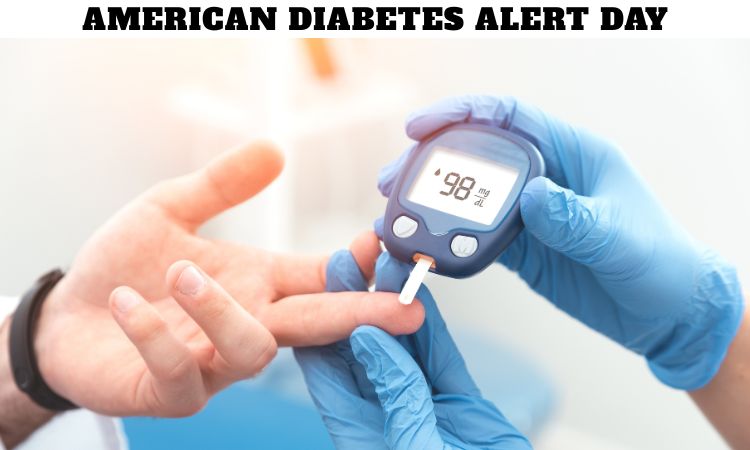
American Diabetes Alert Day, observed annually on March 24, is a vital health awareness event dedicated to educating individuals about the risks, prevention, and early detection of Diabetes. We recognize this day as an opportunity to empower communities with life-saving information and encourage proactive health management. This nationwide observance emphasizes that diabetes is not just a personal health issue but a growing public health challenge that requires collective awareness and action.
The significance of this day lies in its mission to motivate people to evaluate their risk factors, adopt healthier lifestyles, and seek timely medical guidance. Through awareness campaigns, screenings, and educational initiatives, we strive to reduce the long-term complications associated with diabetes and promote a culture of preventive healthcare.
The Growing Prevalence of Diabetes Worldwide
Diabetes has become one of the most pressing health concerns globally. Millions of individuals live with either diagnosed or undiagnosed forms of the condition, leading to increased risks of heart disease, kidney failure, vision impairment, and nerve damage. On American Diabetes Alert Day, we highlight the alarming rise in cases and stress the importance of early detection.
Urbanization, sedentary lifestyles, unhealthy dietary habits, and rising obesity rates contribute significantly to the growing prevalence of diabetes. As societies modernize, physical activity often decreases while consumption of processed foods increases, creating a perfect environment for metabolic disorders to thrive.
By focusing attention on this day, we encourage people to understand that diabetes prevention and management require long-term commitment and informed decision-making.
Types of Diabetes and Their Key Differences
To fully grasp the importance of American Diabetes Alert Day, we must understand the primary types of diabetes:
Type 1 Diabetes
Type 1 diabetes is an autoimmune condition in which the body’s immune system attacks insulin-producing cells in the pancreas. This form typically develops in childhood or adolescence and requires lifelong insulin therapy. While it cannot be prevented, early diagnosis and proper management can significantly improve the quality of life.
Type 2 Diabetes
Type 2 diabetes is the most common form and is often associated with lifestyle factors such as obesity, lack of exercise, and poor nutrition. In this condition, the body either becomes insulin-resistant or fails to produce enough insulin. American Diabetes Alert Day strongly focuses on this type because it is largely preventable through behavioral changes.
Gestational Diabetes
Gestational diabetes occurs during pregnancy and increases the risk of developing Type 2 diabetes later in life. Awareness initiatives on this day encourage expectant mothers to undergo screening and adopt healthy habits to safeguard both maternal and fetal health.
Recognizing Early Warning Signs
One of the central messages of American Diabetes Alert Day is the importance of recognizing early symptoms. Many individuals remain unaware of their condition until complications arise. We emphasize that timely identification can prevent serious health consequences.
Common warning signs include:
- Frequent urination
- Excessive thirst and hunger
- Unexplained weight loss
- Persistent fatigue
- Blurred vision
- Slow-healing wounds
If these symptoms appear, immediate medical consultation and diagnostic testing are crucial. Awareness campaigns conducted on this day often include risk assessment tools to help individuals determine their likelihood of developing diabetes.
Risk Factors That Demand Attention
Understanding risk factors is essential for effective prevention. On American Diabetes Alert Day, we encourage individuals to evaluate personal health profiles and take proactive steps.
Major risk factors include:
- Family history of diabetes
- Overweight or obesity
- Sedentary lifestyle
- High blood pressure or cholesterol levels
- Age above 45 years
- History of gestational diabetes
By identifying these factors early, individuals can adopt targeted interventions to reduce their risk and maintain optimal metabolic health.
Prevention Strategies for Long-Term Wellness
Prevention remains the cornerstone of diabetes awareness initiatives. American Diabetes Alert Day promotes practical lifestyle modifications that can significantly lower the likelihood of developing the disease.
Adopting a Balanced Diet
We advocate for a diet rich in whole grains, fresh fruits, vegetables, lean proteins, and healthy fats. Reducing intake of refined sugars, processed foods, and saturated fats can stabilize blood glucose levels and improve overall health.
Engaging in Regular Physical Activity
Physical activity enhances insulin sensitivity and supports weight management. Activities such as brisk walking, cycling, swimming, and strength training are highly effective in reducing diabetes risk.
Maintaining Healthy Body Weight
Achieving and sustaining a healthy weight is one of the most powerful preventive measures. Even modest weight loss can lead to significant improvements in blood sugar control.
Routine Health Screenings
Regular check-ups and blood glucose testing enable early detection. American Diabetes Alert Day serves as a reminder to schedule preventive screenings and stay informed about personal health metrics.
Managing Diabetes Effectively
For those already diagnosed, American Diabetes Alert Day underscores the importance of consistent disease management. We emphasize a comprehensive approach that combines medication adherence, lifestyle adjustments, and continuous monitoring.
Key management strategies include:
- Monitoring blood glucose levels regularly
- Following prescribed treatment plans
- Attending medical consultations
- Practicing stress management techniques
- Prioritizing quality sleep
With proper care, individuals living with diabetes can lead active and fulfilling lives.
The Role of Community Awareness and Education
Community involvement plays a vital role in the success of American Diabetes Alert Day. Educational workshops, public health campaigns, and support groups help disseminate accurate information and reduce stigma associated with chronic illness.
Schools, workplaces, and healthcare institutions often collaborate to organize awareness drives, free screening camps, and wellness programs. These initiatives foster a supportive environment where individuals feel encouraged to take control of their health.
Technological Advancements in Diabetes Care
Modern healthcare innovations have transformed diabetes management. Continuous glucose monitoring systems, smart insulin delivery devices, and digital health applications enable more precise control and improved patient outcomes.
American Diabetes Alert Day highlights these advancements to inspire confidence and encourage individuals to embrace technology-driven solutions for better disease management.
Building a Healthier Future Through Awareness
The long-term impact of American Diabetes Alert Day extends beyond a single day of observance. We view it as a catalyst for sustained lifestyle transformation and public health improvement.
By spreading awareness, encouraging preventive action, and supporting those living with diabetes, we can collectively reduce the burden of this chronic condition. Empowered communities are better equipped to make informed choices, prioritize wellness, and create healthier generations.
Conclusion: Taking Action Today for Tomorrow’s Health
American Diabetes Alert Day on March 24 serves as a powerful reminder that proactive health management can save lives. Through education, early detection, and consistent lifestyle improvements, we can significantly reduce the risk and impact of diabetes.
Frequently Asked Questions (FAQs)
1. What is American Diabetes Alert Day?
American Diabetes Alert Day is a national health awareness observance focused on educating people about the risks, symptoms, prevention, and early detection of Diabetes.
2. When is American Diabetes Alert Day observed?
It is observed every year on March 24 (or on the fourth Tuesday of March), encouraging individuals to assess their risk of diabetes and take preventive action.
3. Why is American Diabetes Alert Day important?
The day highlights the growing prevalence of diabetes and promotes early screening, lifestyle changes, and public awareness to reduce complications and improve health outcomes.
4. Who should be concerned about diabetes risk?
Anyone with family history, obesity, a sedentary lifestyle, high blood pressure, or unhealthy eating habits should be especially mindful and consider regular health screenings.
5. What are the common symptoms of diabetes?
Typical symptoms include frequent urination, excessive thirst, fatigue, blurred vision, slow wound healing, and unexplained weight changes.
6. Can diabetes be prevented?
Type 2 diabetes can often be prevented or delayed through healthy eating, regular exercise, weight management, and routine medical check-ups.
7. What activities take place on American Diabetes Alert Day?
Many organizations conduct free screening camps, awareness campaigns, educational seminars, and online risk assessment programs to promote preventive healthcare.
8. How can individuals participate in this awareness day?
People can participate by taking diabetes risk tests, sharing awareness messages, adopting healthier lifestyle habits, and encouraging others to get screened.
9. What is the difference between Type 1 and Type 2 diabetes?
Type 1 diabetes is an autoimmune condition requiring lifelong insulin therapy, while Type 2 diabetes is largely lifestyle-related and may be managed with diet, exercise, and medication.
10. Why is early detection of diabetes crucial?
Early detection helps prevent serious complications such as heart disease, kidney damage, nerve problems, and vision loss, allowing individuals to manage the condition effectively and maintain quality of life.