

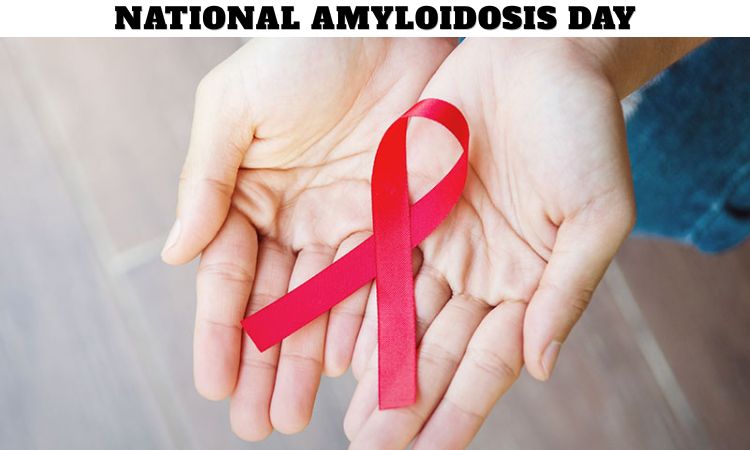
National Amyloidosis Day – May 8 is a vital global observance dedicated to raising awareness about amyloidosis, a rare but serious disease caused by the abnormal buildup of amyloid proteins in organs and tissues. We recognize this day to educate communities, support patients, and promote early diagnosis, which is often the key to improving survival rates and quality of life.
Amyloidosis remains underdiagnosed due to its complex symptoms that mimic other conditions. By observing this day, we amplify the importance of timely medical intervention, research advancements, and the need for stronger healthcare support systems.
What Is Amyloidosis and How Does It Affect the Body?
Amyloidosis is a condition in which misfolded proteins accumulate in organs, disrupting their normal functioning. These deposits can affect critical organs such as the heart, kidneys, liver, spleen, and nervous system.
There are several types of amyloidosis, including:
- AL (Light Chain) Amyloidosis
- AA (Secondary) Amyloidosis
- Hereditary Amyloidosis
- Wild-type ATTR Amyloidosis
Each type varies in cause and severity, but all share the common characteristic of progressive organ damage if left untreated.
Why Is Early Diagnosis of Amyloidosis Crucial?
Early diagnosis significantly improves treatment outcomes. Amyloidosis symptoms often overlap with other diseases, leading to delayed detection. Common signs include:
- Fatigue and weakness
- Swelling in legs or ankles
- Shortness of breath
- Numbness or tingling in hands and feet
- Unexplained weight loss
We emphasize early screening because untreated amyloidosis can lead to organ failure, particularly heart failure in severe cases. Awareness initiatives on May 8 aim to reduce diagnostic delays and encourage individuals to seek medical advice promptly.
How Is National Amyloidosis Day Observed Worldwide?
National Amyloidosis Day is marked by educational campaigns, health seminars, patient support events, and awareness drives. Healthcare organizations, patient advocacy groups, and medical professionals collaborate to spread knowledge about the disease.
Activities typically include:
- Online awareness campaigns
- Fundraising for research
- Patient storytelling and support groups
- Medical workshops and webinars
These initiatives aim to foster a stronger understanding of amyloidosis and build a supportive community for those affected.
What Are the Latest Advancements in Amyloidosis Treatment?
Modern medicine has made significant progress in treating amyloidosis. While there is no universal cure, several treatments help manage the disease effectively. These include:
- Chemotherapy for AL amyloidosis
- Targeted therapies to reduce protein production
- Organ transplantation in severe cases
- Gene-silencing therapies for hereditary forms
Recent innovations have improved survival rates and enhanced patients’ quality of life. We continue to support ongoing research to discover more effective and accessible treatments.
Who Is at Risk of Developing Amyloidosis?
Amyloidosis can affect individuals across age groups, but certain factors increase risk:
- Advanced age
- Chronic inflammatory diseases
- Family history of hereditary amyloidosis
- Plasma cell disorders
Understanding risk factors allows for better monitoring and early detection, especially for individuals with a genetic predisposition.
How Can We Support Amyloidosis Patients and Caregivers?
Support plays a crucial role in managing amyloidosis. Patients often face physical, emotional, and financial challenges. We can contribute by:
- Raising awareness in our communities
- Encouraging regular health check-ups
- Supporting patient advocacy groups
- Providing emotional and social support to caregivers
Compassionate care and community involvement help patients navigate the complexities of this condition.
What Role Does Research Play in Combating Amyloidosis?
Research is the backbone of progress in understanding and treating amyloidosis. Scientists are exploring:
- New drug therapies
- Early diagnostic tools
- Genetic research for hereditary forms
- Improved imaging techniques
We advocate for increased funding and global collaboration to accelerate breakthroughs and improve patient outcomes.
How Can Awareness Campaigns Make a Difference?
Awareness campaigns educate the public and healthcare professionals about recognizing early symptoms and understanding treatment options. Increased awareness leads to:
- Faster diagnosis
- Better patient outcomes
- Reduced stigma around rare diseases
National Amyloidosis Day serves as a platform to amplify these efforts and reach a broader audience.
What Steps Can Individuals Take to Stay Informed and Protected?
We encourage individuals to stay proactive about their health by:
- Scheduling regular medical check-ups
- Paying attention to unusual symptoms
- Maintaining a healthy lifestyle
- Staying informed through credible health resources
Knowledge empowers individuals to take control of their health and seek timely intervention when needed.
What Is the Future Outlook for Amyloidosis Awareness and Treatment?
The future holds promise as advancements in medical research continue to transform the landscape of amyloidosis treatment. Increased awareness, combined with technological innovation, is paving the way for:
- Earlier detection methods
- More personalized treatment plans
- Improved survival rates
We remain committed to spreading awareness and supporting initiatives that bring hope to patients and their families.
Frequently Asked Questions (FAQs)
1. What is National Amyloidosis Day?
National Amyloidosis Day is observed on May 8 to raise awareness about amyloidosis and support those affected by the disease.
2. What causes amyloidosis?
Amyloidosis is caused by abnormal protein buildup in organs and tissues, disrupting their function.
3. Is amyloidosis a curable disease?
There is no complete cure, but treatments can manage symptoms and slow disease progression.
4. What are the common symptoms of amyloidosis?
Symptoms include fatigue, swelling, shortness of breath, numbness, and weight loss.
5. Who is most at risk for amyloidosis?
Older adults, individuals with chronic diseases, and those with a family history are at higher risk.
6. How is amyloidosis diagnosed?
Diagnosis involves blood tests, imaging, biopsies, and specialized laboratory analysis.
7. Can amyloidosis affect the heart?
Yes, cardiac involvement is common and can lead to serious complications.
8. What treatments are available for amyloidosis?
Treatments include chemotherapy, targeted therapy, and organ transplants.
9. Why is awareness important for amyloidosis?
Awareness leads to early diagnosis, better treatment outcomes, and improved patient support.
10. How can I support National Amyloidosis Day?
You can participate in awareness campaigns, donate to research, and educate others about the disease.