

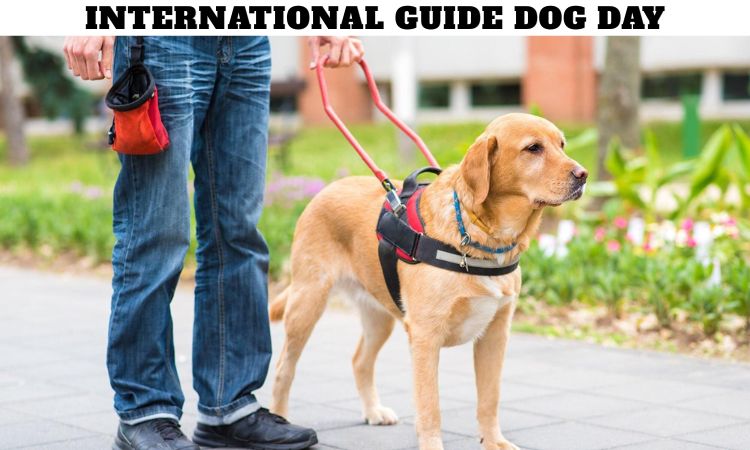
Every year on the last Wednesday of April, the world observes International Guide Dog Day, a meaningful occasion dedicated to recognizing the extraordinary service, loyalty, and life-changing support that guide dogs provide to people who are blind or visually impaired. In 2026, this important awareness day falls on April 29, offering us an opportunity to celebrate these highly trained companions while educating communities about accessibility, independence, and inclusion.
Guide dogs are far more than service animals. They are trusted partners, mobility assistants, emotional supporters, and symbols of empowerment. Through their intelligence, discipline, and dedication, guide dogs help millions of individuals navigate daily life with confidence and dignity.
International Guide Dog Day also honors the trainers, organizations, puppy raisers, and advocates who make these partnerships possible. As awareness grows globally, this day reminds us that accessibility is not just about infrastructure—it is about creating a society where everyone can move freely and live independently.
What Is International Guide Dog Day and Why Is It Celebrated?
International Guide Dog Day was created to recognize the vital role guide dogs play in supporting people with visual impairments. Celebrated annually on the last Wednesday in April, the day raises awareness about guide dog training, accessibility rights, and the profound bond between handlers and their dogs.
This observance highlights:
- The independence guide dogs provide
- The dedication of guide dog schools and trainers
- Public awareness about service dog etiquette
- Advocacy for equal access rights
- Appreciation for the canine-human partnership
Guide dogs represent freedom, enabling people to safely cross streets, avoid obstacles, use public transportation, and navigate complex environments.
How Did Guide Dogs Become Essential Companions for the Visually Impaired?
The history of guide dogs dates back centuries, but modern guide dog programs began after World War I, when large numbers of veterans returned with vision loss. Germany pioneered systematic guide dog training to assist blinded soldiers.
In 1929, The Seeing Eye in the United States became one of the first guide dog schools in North America, setting standards for modern programs. Since then, guide dog organizations worldwide have expanded services, refining breeding, socialization, and advanced mobility training.
Today, guide dogs are trained with remarkable precision to:
- Stop at curbs and stairs
- Navigate around obstacles
- Avoid traffic hazards
- Follow directional commands
- Find doors, elevators, and seats
This specialized work transforms everyday challenges into manageable routines.
What Makes Guide Dogs Different From Other Service Dogs?
Guide dogs are specifically trained to assist individuals who are blind or visually impaired, while other service dogs may support people with hearing loss, mobility limitations, or medical conditions.
Key characteristics of guide dogs include:
Specialized Mobility Skills:
Guide dogs focus on safe navigation and route guidance.
Intelligent Disobedience:
A guide dog may refuse a command if it detects danger, such as oncoming traffic.
Intensive Training:
Training can take up to two years, including puppy socialization and advanced mobility work.
Strong Partnership:
Handlers receive training to work collaboratively with their guide dog.
Popular breeds include:
- Labrador Retrievers
- Golden Retrievers
- German Shepherds
- Labrador-Golden crosses
These breeds are chosen for temperament, intelligence, and adaptability.
How Are Guide Dogs Trained for Their Important Role?
Guide dog training is a rigorous, multi-stage process that begins early.
Puppy Raising:
Volunteer families help socialize puppies to sounds, crowds, and public spaces.
Formal Training:
Professional trainers teach navigation, obedience, obstacle avoidance, and public behavior.
Handler Matching:
Dogs are carefully paired with individuals based on lifestyle, pace, and personality.
Team Training:
Handlers learn commands, care techniques, and communication skills.
This process can cost tens of thousands of dollars per dog, but many nonprofit organizations provide guide dogs at little or no cost to recipients.
Why Are Guide Dogs So Important for Independence?
For individuals with visual impairments, guide dogs offer both practical and emotional freedom.
Benefits include:
- Safer travel
- Increased confidence
- Greater social interaction
- Expanded employment opportunities
- Reduced dependence on others
Guide dogs empower handlers to participate more fully in work, education, travel, and community life.
Beyond navigation, guide dogs often become trusted companions, reducing loneliness and enhancing overall well-being.
What Challenges Do Guide Dog Users Still Face?
Despite legal protections in many countries, guide dog handlers may still encounter barriers such as:
- Denied access to businesses or transportation
- Public distractions from petting or calling the dog
- Lack of awareness about service dog rights
- Inadequate infrastructure
International Guide Dog Day helps educate the public on proper etiquette:
Important Rules:
- Do not pet a guide dog without permission
- Do not distract the dog while working
- Speak to the handler, not just the dog
- Respect access rights
Understanding these guidelines protects both safety and independence.
How Can Communities Support Guide Dog Accessibility?
Communities play a crucial role in fostering inclusion. Support can include:
- Promoting disability awareness education
- Supporting guide dog nonprofits
- Ensuring accessible public spaces
- Enforcing service animal rights laws
- Volunteering as puppy raisers
By recognizing the rights of guide dog users, societies become more equitable and compassionate.
What Are the Emotional Bonds Between Guide Dogs and Their Handlers?
The relationship between a guide dog and handler is built on trust, communication, and companionship. These dogs are trained professionals, but they are also beloved family members.
Handlers often describe guide dogs as:
- Life-changing partners
- Emotional anchors
- Confidence builders
- Loyal protectors
This bond goes beyond utility, representing teamwork that can last for many years.
How Is International Guide Dog Day Celebrated?
People worldwide celebrate through:
- Awareness campaigns
- Fundraisers for guide dog schools
- Social media advocacy
- Educational workshops
- Public demonstrations
- Volunteer puppy raising events
Organizations use this day to share success stories, highlight accessibility issues, and inspire support for guide dog programs.
What Does the Future Hold for Guide Dogs and Accessibility?
The future of guide dog services continues to evolve with advancements in:
- Breeding science
- Veterinary care
- Mobility technology
- Inclusive policy
While assistive technology grows, guide dogs remain uniquely valuable because they combine intelligence, companionship, and adaptive decision-making.
International Guide Dog Day reinforces that accessibility is about preserving human dignity and choice.
Why Does International Guide Dog Day Matter?
International Guide Dog Day on April 29 is a celebration of courage, compassion, and independence. It honors the remarkable dogs that guide, protect, and empower individuals with visual impairments while encouraging global awareness about inclusion and accessibility.
Frequently Asked Questions
1. When is International Guide Dog Day celebrated?
It is observed annually on the last Wednesday of April, which falls on April 29 in 2026.
2. What is the purpose of International Guide Dog Day?
The day raises awareness about guide dogs and celebrates their role in supporting visually impaired individuals.
3. What is a guide dog?
A guide dog is a specially trained service dog that helps blind or visually impaired people navigate safely.
4. Which breeds are commonly used as guide dogs?
Labrador Retrievers, Golden Retrievers, and German Shepherds are common guide dog breeds.
5. How long does guide dog training take?
Training often takes 18 months to 2 years.
6. Can guide dogs go anywhere with their handlers?
In many countries, guide dogs have legal access to public spaces, businesses, and transportation.
7. Should you pet a working guide dog?
No, unless the handler gives permission.
8. Are guide dogs provided for free?
Many nonprofit organizations provide them at low or no cost.
9. How do guide dogs improve independence?
They assist with navigation, safety, and confidence in daily activities.
10. How can I support guide dog programs?
You can donate, volunteer, raise puppies, or spread awareness.