

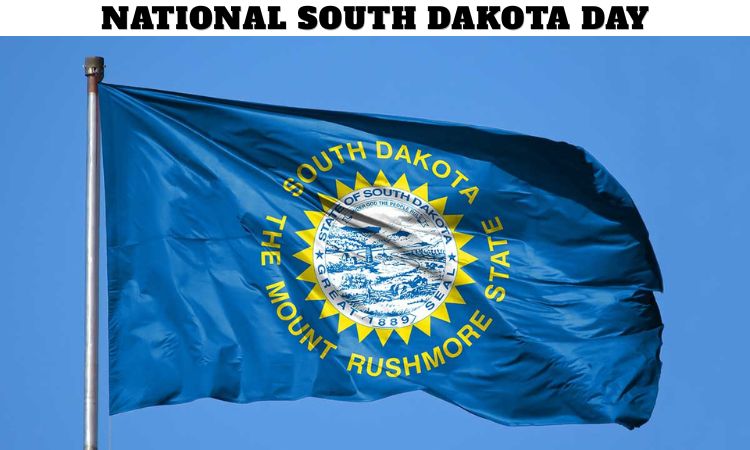
What Is National South Dakota Day – April 26 and Why Is It Celebrated?
National South Dakota Day, observed annually on April 26, is a special occasion dedicated to honoring the rich heritage, natural beauty, and cultural identity of the U.S. state of South Dakota. This day is part of a broader initiative to celebrate each state in the United States through designated national days, giving recognition to its unique contributions to the nation’s history and development.
We recognize National South Dakota Day as an opportunity to explore the state’s remarkable landscapes, deep-rooted traditions, and historical milestones that have shaped its identity. From its vast plains to iconic monuments, South Dakota stands as a symbol of resilience, diversity, and natural wonder.
Why Is April 26 Significant for South Dakota?
April 26 serves as a designated day to highlight the cultural and historical significance of South Dakota. While it does not mark the statehood anniversary—South Dakota became the 40th state of the United States on November 2, 1889—the day is intentionally chosen to provide a platform for celebration outside traditional historical dates.
We use this day to spotlight the state’s lesser-known achievements and contributions, encouraging both residents and visitors to deepen their understanding of South Dakota’s heritage. It is a day of recognition rather than commemoration, making it inclusive and engaging for a wider audience.
What Makes South Dakota Historically Important?
South Dakota holds a profound place in American history. The region has long been inhabited by Native American tribes, particularly the Lakota Sioux, whose cultural legacy remains deeply embedded in the state’s identity.
The state is also closely associated with the Black Hills Gold Rush, which attracted thousands of settlers and played a significant role in shaping the region’s economy and demographics. Additionally, South Dakota is home to one of the most iconic landmarks in the world, Mount Rushmore, which features the carved faces of four U.S. presidents.
We acknowledge that South Dakota’s history is a blend of indigenous heritage, frontier expansion, and national significance.
What Are the Most Famous Landmarks in South Dakota?
South Dakota boasts some of the most breathtaking and historically significant landmarks in the United States. Among them:
- Mount Rushmore – A symbol of American democracy and leadership
- Badlands National Park – Known for its dramatic landscapes and fossil beds
- Custer State Park – A wildlife haven featuring bison and scenic drives
- Crazy Horse Memorial – A tribute to Native American heritage
These landmarks make South Dakota a destination of global interest and a focal point of celebration on April 26.
How Does South Dakota Contribute to American Culture?
South Dakota’s cultural contributions are deeply rooted in its Native American heritage and Western traditions. The state is known for preserving indigenous languages, customs, and ceremonies, which continue to influence its cultural landscape.
Events such as powwows, rodeos, and cultural festivals showcase the state’s vibrant traditions. We also see South Dakota contributing to American folklore and storytelling, with its vast open landscapes inspiring literature, film, and art.
The state’s commitment to preserving its heritage makes it a vital part of the broader American cultural mosaic.
What Are the Key Natural Attractions of South Dakota?
South Dakota is renowned for its diverse and stunning natural environments. From rolling prairies to rugged mountains, the state offers a wide range of ecological experiences.
Notable natural attractions include:
- Badlands National Park – Featuring unique rock formations
- Black Hills – A forested region rich in history and biodiversity
- Wind Cave National Park – One of the longest caves in the world
We recognize that these natural wonders play a crucial role in tourism and environmental conservation.
How Is National South Dakota Day Celebrated?
National South Dakota Day is celebrated through a variety of activities that highlight the state’s heritage and attractions. Common ways to observe the day include:
- Educational Programs: Schools and institutions organize sessions about South Dakota’s history and culture
- Travel and Exploration: People visit landmarks and parks within the state
- Cultural Events: Exhibitions, performances, and storytelling sessions
- Digital Engagement: Social media campaigns sharing facts and images of South Dakota
We encourage meaningful participation that goes beyond surface-level recognition.
Why Is Tourism Important to South Dakota?
Tourism is a major economic driver for South Dakota. The state attracts millions of visitors each year, drawn by its iconic landmarks and natural beauty.
Locations like Mount Rushmore and Badlands National Park contribute significantly to the state’s revenue and global visibility.
We understand that National South Dakota Day plays a role in promoting tourism by increasing awareness and interest.
What Are Some Interesting Facts About South Dakota?
- South Dakota is known as the “Mount Rushmore State.”
- It has one of the lowest population densities in the United States
- The state capital is Pierre, one of the smallest state capitals
- It is home to diverse wildlife, including bison and prairie dogs
These facts highlight the uniqueness of South Dakota and add depth to its celebration.
How Can We Make National South Dakota Day More Meaningful?
We can enhance the significance of National South Dakota Day by engaging in thoughtful and educational activities. These may include:
- Learning about Native American history and contributions
- Supporting local businesses and artisans
- Promoting sustainable tourism
- Sharing accurate and informative content about the state
Such actions ensure that the celebration is both respectful and impactful.
Frequently Asked Questions (FAQs)
1. What is National South Dakota Day?
National South Dakota Day is observed on April 26 to celebrate the culture, history, and natural beauty of South Dakota.
2. Is National South Dakota Day an official holiday?
No, it is an unofficial observance and not a public holiday.
3. Why is South Dakota important historically?
It is significant for its Native American heritage, the Black Hills Gold Rush, and landmarks like Mount Rushmore.
4. What are the top attractions in South Dakota?
Mount Rushmore, Badlands National Park, and Custer State Park are among the top attractions.
5. How can I celebrate National South Dakota Day?
You can celebrate by learning about the state, visiting its landmarks, or sharing information online.
6. What is the capital of South Dakota?
The capital is Pierre.
7. What is South Dakota known for?
It is known for Mount Rushmore, natural parks, and Native American culture.
8. When did South Dakota become a state?
South Dakota became a state on November 2, 1889.
9. What are the Black Hills?
The Black Hills are a mountain range known for its historical and cultural significance.
10. Why is tourism important in South Dakota?
Tourism supports the economy and promotes the state’s natural and historical attractions.