

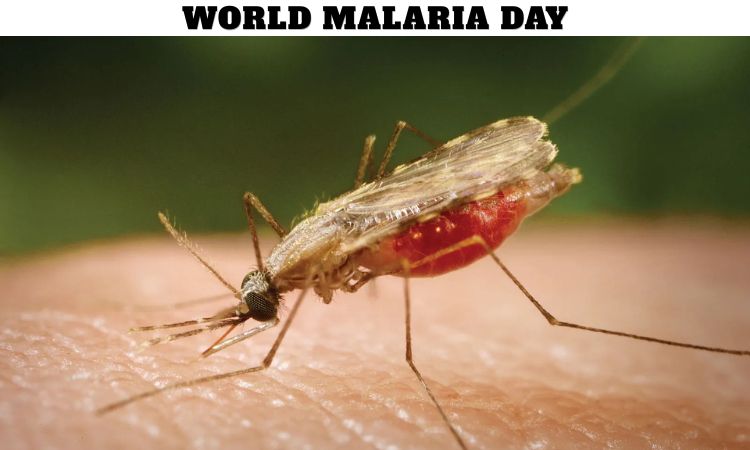
What Is World Malaria Day and Why Is It Observed on April 25?
World Malaria Day, observed annually on April 25, is a global health awareness event led by the World Health Organization. This day highlights the urgent need for continued investment and sustained political commitment to prevent and control malaria, a life-threatening disease caused by parasites transmitted through the bites of infected mosquitoes.
We observe this day to raise awareness about the devastating impact of Malaria and to promote coordinated global efforts aimed at reducing transmission, improving treatment, and ultimately achieving elimination.
What Causes Malaria and How Is It Transmitted?
Malaria is caused by parasites of the genus Plasmodium, which are transmitted to humans through the bite of an infected female Anopheles mosquito. Once inside the human body, the parasites multiply in the liver and infect red blood cells.
Key transmission facts include:
- Spread through mosquito bites
- Not transmitted directly from person to person
- Higher risk in tropical and subtropical regions
We emphasize the importance of understanding transmission pathways to effectively control the disease.
What Are the Symptoms of Malaria?
Malaria symptoms can range from mild to severe and may become life-threatening if not treated promptly.
Common symptoms include:
- High fever and chills
- Headache and fatigue
- Nausea and vomiting
- Muscle pain and sweating
Severe cases may lead to complications such as organ failure, anemia, and cerebral malaria. Early diagnosis and treatment are essential to prevent fatalities.
Why Is Malaria Still a Global Health Challenge?
Despite significant progress, malaria remains a major global health concern, particularly in developing countries.
Key challenges include:
- Limited access to healthcare in remote areas
- Resistance to antimalarial drugs
- Insecticide resistance in mosquitoes
- Climate conditions that favor mosquito breeding
We recognize that sustained global efforts are required to overcome these challenges and reduce the disease burden.
Which Regions Are Most Affected by Malaria?
Malaria is most prevalent in regions with warm climates and high humidity, which provide ideal breeding conditions for mosquitoes.
Highly affected regions include:
- Sub-Saharan Africa
- Parts of South Asia
- Southeast Asia
- Latin America
We observe that children under five and pregnant women are among the most vulnerable populations.
How Can Malaria Be Prevented Effectively?
Prevention is a critical component in the fight against malaria. Several proven strategies can significantly reduce the risk of infection.
Effective preventive measures include:
- Using insecticide-treated mosquito nets
- Indoor residual spraying
- Eliminating stagnant water sources
- Wearing protective clothing
We stress that community participation is essential for successful prevention efforts.
What Treatments Are Available for Malaria?
Malaria is treatable, especially when diagnosed early. The most effective treatments involve antimalarial medications that target the parasite.
Common treatments include:
- Artemisinin-based combination therapies (ACTs)
- Chloroquine in specific regions
- Supportive care for severe cases
We highlight the importance of seeking medical attention promptly to ensure effective treatment.
What Role Do Vaccines Play in Malaria Control?
Recent advancements have led to the development of malaria vaccines, offering new hope in the fight against the disease.
Vaccines contribute to:
- Reducing severe cases in children
- Lowering mortality rates
- Complementing existing prevention strategies
We view vaccination as a significant milestone in global malaria control efforts.
How Is World Malaria Day Celebrated Globally?
World Malaria Day is marked by various activities aimed at raising awareness and mobilizing action.
Common observances include:
- Public health campaigns and educational programs
- Community outreach initiatives
- Fundraising and advocacy events
- Government and NGO collaborations
We see this day as an opportunity to unite stakeholders and accelerate progress toward malaria elimination.
What Is the Future of Malaria Eradication?
The global goal is to eradicate malaria, and ongoing research continues to drive innovation in prevention and treatment.
Future strategies include:
- Advanced vaccine development
- Genetic control of mosquito populations
- Improved diagnostic tools
- Strengthened healthcare systems
We remain optimistic that coordinated global action can lead to a malaria-free world.
Frequently Asked Questions (FAQs)
1. What is World Malaria Day?
World Malaria Day is observed on April 25 to raise awareness and promote global efforts to control and eliminate malaria.
2. What causes malaria?
Malaria is caused by Plasmodium parasites transmitted through the bites of infected Anopheles mosquitoes.
3. What are the main symptoms of malaria?
Symptoms include fever, chills, headache, fatigue, and nausea.
4. Is malaria contagious?
No, malaria is not spread directly from person to person.
5. Which regions are most affected by malaria?
Sub-Saharan Africa, South Asia, Southeast Asia, and parts of Latin America are most affected.
6. How can malaria be prevented?
Prevention includes using mosquito nets, spraying insecticides, and eliminating breeding sites.
7. Is malaria curable?
Yes, malaria is treatable with proper medication, especially when detected early.
8. Are there vaccines for malaria?
Yes, vaccines have been developed to help reduce severe cases, particularly in children.
9. Why is malaria still a problem?
Challenges include drug resistance, limited healthcare access, and environmental factors.
10. What is the goal of World Malaria Day?
The goal is to raise awareness, promote prevention, and work toward the global eradication of malaria.