

Namibia Independence Day, celebrated annually on March 21, marks a historic milestone in the nation’s journey toward sovereignty, dignity, and democratic governance. On this day in 1990, Namibia officially gained independence after decades of colonial rule and a prolonged liberation struggle. We recognize this day not only as a political turning point but also as a powerful symbol of unity, resilience, and national identity.
As one of the most significant public holidays in Namibia, Independence Day is commemorated through vibrant ceremonies, patriotic displays, cultural performances, and reflection on the sacrifices made by freedom fighters. The day reinforces national pride while inspiring future generations to preserve democratic values and social progress.
Historical Background of Namibia’s Independence
Colonial Era and Early Struggles
Namibia’s path to independence was shaped by a complex colonial history. Initially colonized by Germany in the late 19th century, the region was known as German South West Africa. Following Germany’s defeat in World War I, the territory was placed under South African administration through a League of Nations mandate.
South Africa implemented policies similar to apartheid, imposing racial segregation and restricting political freedoms. Indigenous communities faced land dispossession, forced labor, and limited access to education and economic opportunities. These oppressive conditions fueled resistance movements and the desire for self-rule.
The Liberation Movement
We acknowledge the critical role played by nationalist organizations in advancing the independence cause. The South West Africa People’s Organization (SWAPO) emerged as the leading liberation movement, mobilizing citizens and engaging in diplomatic efforts and armed resistance. The struggle intensified during the Cold War era, attracting international attention and support from global institutions advocating decolonization.
Years of negotiations, United Nations involvement, and internal resistance culminated in the landmark decision to grant Namibia independence. The first democratic elections were held in November 1989, paving the way for a new constitutional democracy.
The Moment of Independence on March 21, 1990
The declaration of independence on March 21, 1990, represented a transformative moment in Namibia’s history. The event took place in the capital city of Windhoek, attended by international leaders, dignitaries, and thousands of citizens. The national flag was raised for the first time, symbolizing freedom, hope, and unity.
We celebrate this date as the beginning of a new chapter characterized by democratic governance, human rights protections, and socio-economic development. Namibia adopted a progressive constitution that emphasized equality, freedom of expression, and the rule of law.
Significance of Namibia’s Independence Day
National Unity and Identity
Independence Day fosters a strong sense of national unity among Namibia’s diverse ethnic groups. The celebration highlights shared values, collective achievements, and the importance of cooperation in nation-building.
Recognition of Freedom Fighters
We honor the courage and sacrifices of individuals who contributed to the liberation struggle. Memorial services and public speeches often pay tribute to veterans, activists, and community leaders who played pivotal roles in securing independence.
Reflection on Progress and Challenges
The day also provides an opportunity to reflect on Namibia’s development journey. Since independence, the country has made strides in areas such as education access, infrastructure development, environmental conservation, and democratic stability. However, ongoing challenges like income inequality and unemployment remain central topics in Independence Day discussions.
Traditional Celebrations and Festivities
Official Ceremonies and Presidential Address
The centerpiece of Namibia’s Independence Day celebrations is the state ceremony, typically hosted in a major city. The President delivers a keynote address reviewing national achievements, outlining future priorities, and reinforcing patriotic values.
Military parades, flag-hoisting ceremonies, and national anthem performances form an integral part of the proceedings. These events symbolize strength, sovereignty, and national pride.
Cultural Performances and Community Events
We observe vibrant cultural displays across Namibia, featuring traditional music, dance, storytelling, and art exhibitions. These activities celebrate the country’s rich cultural diversity and promote social cohesion.
Community gatherings often include sports tournaments, food festivals, and educational programs aimed at teaching younger generations about Namibia’s history and independence movement.
Educational Importance of Independence Day
Promoting Historical Awareness
Schools and universities organize seminars, debates, and exhibitions focusing on Namibia’s colonial past and liberation struggle. By encouraging critical thinking and historical understanding, Independence Day helps cultivate informed citizens who value democracy and human rights.
Inspiring Youth Participation
We emphasize the role of youth in shaping Namibia’s future. Independence Day messages frequently encourage young people to pursue education, entrepreneurship, and civic engagement to contribute to national progress.
Economic and Social Progress Since Independence
Infrastructure Development
Since gaining independence, Namibia has invested significantly in infrastructure projects such as transport networks, telecommunications systems, and urban development initiatives. These improvements have enhanced connectivity and economic opportunities.
Tourism and Natural Heritage
Namibia’s unique landscapes, including deserts, wildlife reserves, and coastal regions, have positioned the country as a leading tourism destination. Independence Day promotions often highlight sustainable tourism practices that protect biodiversity while supporting local communities.
Democratic Stability and Governance
We recognize Namibia as one of Africa’s stable democracies, with regular elections and peaceful transitions of power. The country’s commitment to transparency and constitutional governance has strengthened investor confidence and international partnerships.
Global Recognition and Diplomatic Relations
Namibia Independence Day is celebrated not only within national borders but also by Namibian communities abroad. Embassies and diaspora groups organize cultural programs and networking events to showcase Namibian heritage.
International leaders frequently send congratulatory messages acknowledging Namibia’s achievements in democracy, environmental conservation, and regional cooperation. These interactions reinforce Namibia’s role in global diplomacy and development initiatives.
Symbols of Independence and National Pride
The National Flag
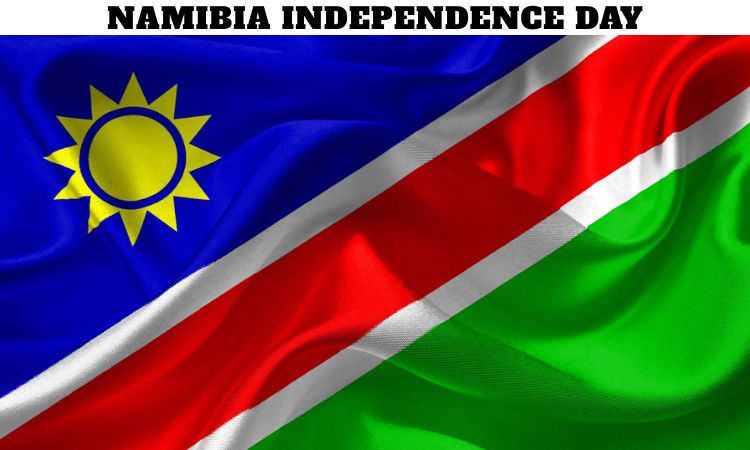
The Namibian flag, first raised on Independence Day, features blue, red, and green colors separated by white borders, with a golden sun symbolizing energy and life. The flag embodies unity, peace, and hope for a prosperous future.
National Anthem and Emblems
Patriotic songs and emblems are prominently displayed during celebrations, reinforcing emotional connections to national identity. We observe citizens wearing traditional attire and displaying flags in homes and public spaces.
Future Aspirations and Vision
Independence Day is not only about commemorating the past but also envisioning a brighter future. Namibia continues to focus on economic diversification, renewable energy development, education reforms, and technological innovation.
Government initiatives aim to reduce inequality, empower rural communities, and promote inclusive growth. Independence Day speeches often emphasize collective responsibility in achieving these national goals.
Conclusion: Celebrating Freedom and National Progress
Namibia Independence Day on March 21 remains a defining symbol of resilience, unity, and democratic achievement. Through official ceremonies, cultural festivities, and educational initiatives, we reaffirm our commitment to preserving freedom and advancing national development.
Frequently Asked Questions (FAQs)
1. When is Namibia Independence Day celebrated?
Namibia Independence Day is celebrated every year on March 21 to mark the country’s freedom from colonial rule in 1990.
2. Why is Namibia Independence Day important?
It is important because it symbolizes national freedom, democratic governance, unity, and the end of foreign administration in Namibia.
3. Who led Namibia’s independence movement?
The independence movement was primarily led by the South West Africa People’s Organization (SWAPO) along with many freedom fighters and political leaders.
4. How do people celebrate Namibia Independence Day?
People celebrate with official ceremonies, military parades, cultural dances, music performances, community events, and flag-hoisting programs.
5. Where was Namibia’s independence officially declared?
Namibia’s independence was officially declared in the capital city of Windhoek during a grand national ceremony.
6. What was Namibia called during the colonial period?
During the German colonial era, Namibia was known as German South West Africa, and later it was administered by South Africa.
7. Is Namibia Independence Day a public holiday?
Yes, Namibia Independence Day is a national public holiday, and government offices, schools, and many businesses remain closed.
8. What role did the United Nations play in Namibia’s independence?
The United Nations supported Namibia’s transition to independence by supervising elections and promoting negotiations for peaceful self-rule.
9. What are the colors of the Namibian national flag and what do they represent?
The flag features blue (sky and water), red (people and heroism), green (vegetation and agriculture), white (peace), and a golden sun (energy and life).
10. What message does Namibia Independence Day give to future generations?
It encourages future generations to value freedom, protect democracy, work for national development, and maintain unity and peace.