

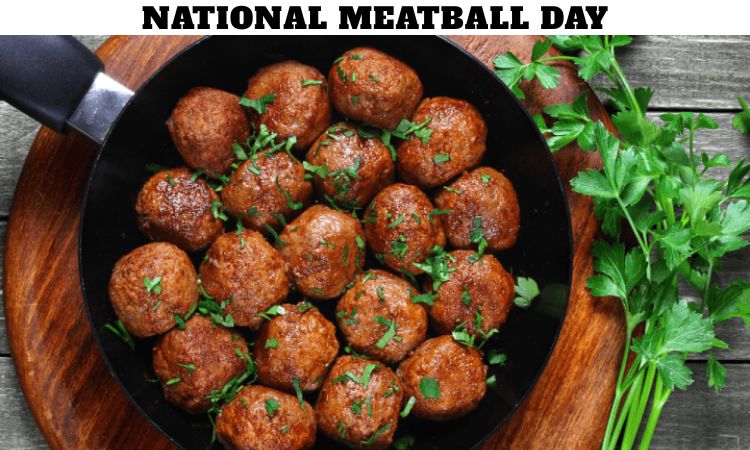
What Is National Meatball Day, and Why Is It Celebrated on March 9?
National Meatball Day, celebrated annually on March 9, honors one of the world’s most beloved comfort foods—the meatball. Found in countless cuisines across continents, meatballs are a culinary staple known for their versatility, affordability, and rich flavor. From Italian classics to Asian variations, meatballs bring together simple ingredients to create satisfying dishes enjoyed by millions.
The day is recognized through food observance platforms such as National Day Calendar, encouraging people to cook, share, and appreciate this timeless dish. National Meatball Day is not only about indulgence but also about celebrating culinary creativity, cultural diversity, and family traditions connected to food.
Where Did Meatballs Originate?
Although many people associate meatballs with Italian cuisine, their origins are far more global. Historical evidence suggests that variations of meatballs existed in ancient civilizations, including Persia, China, and Rome.
One notable early reference comes from the cookbook of Apicius, which includes recipes resembling modern meatballs. These early preparations combined minced meat with herbs, spices, and grains, demonstrating that the concept of shaping ground meat into small portions has been practiced for centuries.
Over time, meatballs spread across regions, evolving based on local ingredients, cooking methods, and cultural preferences.
Why Are Meatballs So Popular Worldwide?
We recognize several reasons behind the global popularity of meatballs:
Versatility – They can be made from beef, pork, chicken, lamb, fish, or plant-based alternatives.
Affordability – Ground meat stretches ingredients further, making meals economical.
Ease of preparation – Simple techniques allow home cooks to prepare them easily.
Flavor absorption – Meatballs pair well with sauces, spices, and seasonings.
Cultural adaptability – Each cuisine adds unique flavors and cooking methods.
Their adaptability ensures that meatballs remain relevant in both traditional and modern cooking.
What Are the Most Famous Types of Meatballs Around the World?
Meatballs appear in nearly every culinary tradition, each with distinctive characteristics.
Italian Meatballs
Often served with tomato sauce and pasta, Italian meatballs include herbs, breadcrumbs, eggs, and cheese. They are commonly associated with Italian-American cuisine.
Swedish Meatballs
Popularized globally by brands such as IKEA, Swedish meatballs are typically served with creamy gravy, mashed potatoes, and lingonberry sauce.
Turkish Köfte
Seasoned with spices like cumin and paprika, köfte represents a diverse category with regional variations throughout the Middle East and Mediterranean.
Chinese Lion’s Head Meatballs
Large pork meatballs cooked in broth or sauce symbolize prosperity and celebration in Chinese cuisine.
Spanish Albóndigas
Often served in tomato-based sauces or soups, Spanish meatballs highlight Mediterranean flavors.
Middle Eastern Kofta
Typically made with lamb or beef and grilled on skewers, kofta emphasizes aromatic spices and herbs.
Plant-Based Meatballs
Modern culinary innovation has introduced vegetarian and vegan meatballs made from legumes, grains, and plant proteins.
These variations showcase the universal appeal of meatballs across cultures.
What Ingredients Are Used to Make Meatballs?
Traditional meatballs combine a few essential ingredients:
Ground meat (beef, pork, chicken, turkey, or lamb)
Binders such as breadcrumbs or soaked bread
Eggs for structure
Seasonings including herbs, spices, garlic, and onion
Liquids like milk or broth for moisture
Additional ingredients such as cheese, vegetables, or sauces enhance flavor and texture.
What Cooking Methods Are Used for Meatballs?
Meatballs can be prepared using various cooking techniques depending on regional traditions and desired textures:
Frying for crispy outer layers
Baking for healthier preparation
Simmering in sauce for tenderness
Grilling for smoky flavor
Steaming for delicate textures
Slow cooking for enhanced flavor absorption
Each method produces unique taste experiences.
What Is the Nutritional Value of Meatballs?
The nutritional profile of meatballs varies depending on ingredients, but generally includes:
High protein content supporting muscle health
Essential vitamins and minerals, such as iron and zinc
Healthy fats depend on the meat type
Carbohydrates from binders like breadcrumbs
Health-conscious versions can use lean meats, vegetables, or plant-based alternatives to reduce fat content.
How Can We Celebrate National Meatball Day?
National Meatball Day offers numerous opportunities for celebration.
1. Cook Homemade Meatballs
Preparing meatballs at home allows customization of flavors and ingredients, making the experience personal and enjoyable.
2. Explore International Recipes
Trying meatball dishes from different cultures expands culinary appreciation and knowledge.
3. Visit Restaurants
Dining at local restaurants featuring meatball specialties supports businesses while enjoying expertly prepared meals.
4. Host a Meatball-Themed Gathering
Friends and family can share different recipes, sauces, and cultural styles in a festive atmosphere.
5. Share on Social Media
Posting recipes or food photos spreads awareness and encourages participation.
What Are Some Creative Meatball Recipes to Try?
We can experiment with innovative recipes to enhance the celebration:
Classic Italian Meatballs with Marinara
Cheese-Stuffed Meatballs
Teriyaki Chicken Meatballs
Spicy Mexican Meatballs
Mediterranean Herb Meatballs
Vegetarian Lentil Meatballs
Buffalo-Style Meatballs
Barbecue Glazed Meatballs
These recipes highlight the endless versatility of meatballs.
Why Are Meatballs Considered Comfort Food?
Meatballs are often associated with comfort due to:
Family traditions and childhood memories
Warm, hearty flavors
Homemade preparation methods
Familiar textures and aromas
Association with shared meals
Comfort foods provide emotional satisfaction beyond nutrition, contributing to their lasting popularity.
How Have Meatballs Influenced Modern Food Trends?
Meatballs continue evolving within modern culinary trends, including:
Gourmet meatball restaurants
Fusion cuisine incorporating global spices
Plant-based meat alternatives
Street food adaptations
Meal-prep and convenience foods
Innovation ensures meatballs remain relevant in contemporary dining culture.
What Is the Economic Impact of Meatball Dishes?
Meatballs contribute significantly to the food industry through:
Restaurant menus and specialty shops
Packaged food production
Frozen meal markets
Catering services
Street food vendors
Their affordability and popularity make them commercially successful worldwide.
What Is the Future of Meatballs in Global Cuisine?
The future of meatballs includes sustainability and innovation. Trends shaping their evolution include:
Plant-based protein alternatives
Health-conscious ingredients
Sustainable meat sourcing
Cultural fusion flavors
Ready-to-eat convenience products
These developments ensure meatballs remain a staple across generations.
Why Should We Celebrate National Meatball Day Every Year?
National Meatball Day on March 9 reminds us that simple ingredients can create extraordinary culinary experiences. Meatballs represent tradition, creativity, and cultural diversity, connecting people through shared meals and flavors.