
What Is National Barbie Day, and Why Is It Celebrated on March 9?
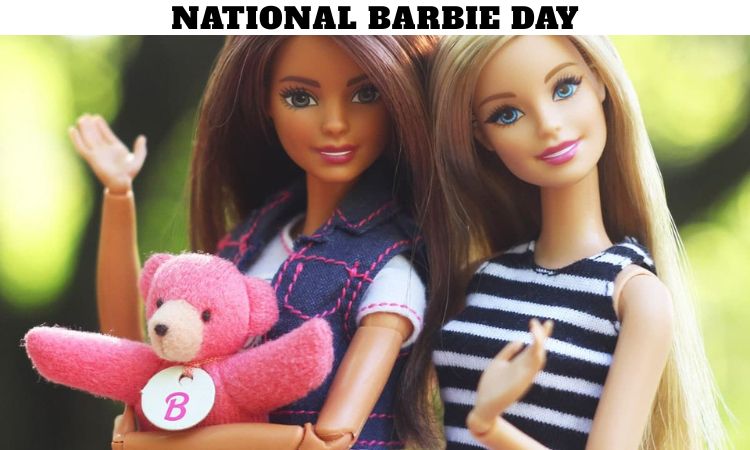
National Barbie Day, observed annually on March 9, celebrates one of the most recognizable toys in history—Barbie. The date marks the anniversary of Barbie’s official debut at the American International Toy Fair in New York City in 1959. Since then, Barbie has evolved into a global cultural icon representing imagination, creativity, and empowerment.
The day is widely recognized through observance platforms such as National Day Calendar, encouraging fans of all ages to reflect on Barbie’s legacy and influence across generations. National Barbie Day is not only about nostalgia but also about acknowledging how the doll has adapted to changing social values, careers, and cultural diversity overthe decades.
Who Created Barbie and What Inspired Her?
Barbie was created by Ruth Handler, co-founder of Mattel. Handler noticed that her daughter enjoyed playing with paper dolls that represented adult roles rather than infant dolls. Recognizing a gap in the toy market, she envisioned a three-dimensional adult-like doll that would allow children to imagine their future possibilities.
This concept led to the creation of Barbie Millicent Roberts, commonly known simply as Barbie. When introduced in 1959, Barbie wore a black-and-white striped swimsuit and quickly captured public attention. Her success marked a turning point in the toy industry, introducing the idea that dolls could represent aspirations rather than caregiving roles alone.
How Has Barbie Evolved Over the Decades?
Barbie’s evolution reflects changing societal norms and cultural values. Over the years, Barbie has taken on numerous roles, careers, and identities, demonstrating adaptability and relevance.
1960s–1970s: Expanding Careers
During these decades, Barbie began representing professional careers such as a nurse, an astronaut, and a businesswoman. This expansion encouraged girls to imagine broader opportunities beyond traditional gender expectations.
1980s–1990s: Global Recognition
Barbie became a worldwide phenomenon with international editions representing different cultures and countries. The brand expanded into movies, fashion, and collectibles.
2000s–2010s: Diversity and Inclusion
Mattel introduced dolls with diverse body types, skin tones, hairstyles, and abilities, reflecting modern inclusivity. This shift addressed criticism and aligned Barbie with contemporary social awareness.
2020s: Cultural Renaissance
Barbie experienced renewed cultural attention with the release of the blockbuster film Barbie, which explored themes of identity, empowerment, and societal expectations while reaching new audiences globally.
Why Is Barbie Considered a Cultural Icon?
Barbie’s influence extends far beyond toys. We recognize her as a symbol of aspiration, creativity, and reinvention. Several factors contribute to her iconic status:
Career diversity with over 200 professions represented.
Fashion innovation reflecting evolving trends.
Media presence through movies, television, and digital platforms.
Collectibility appeals to both children and adult enthusiasts.
Cultural adaptability across different regions and communities.
Barbie’s ability to remain relevant for more than six decades demonstrates her powerful cultural resonance.
What Careers Has Barbie Represented Over Time?
One of Barbie’s most celebrated features is her representation of countless careers. These roles promote ambition and imagination among children.
Notable careers include:
Astronaut
Doctor
Scientist
Engineer
Pilot
Teacher
Entrepreneur
President
Athlete
Veterinarian
By showcasing diverse professions, Barbie encourages children to envision limitless possibilities for their futures.
How Does Barbie Influence Childhood Development?
We observe that imaginative play plays a crucial role in childhood development. Barbie contributes to this process by supporting:
Creativity and storytelling
Social skill development
Role-playing and empathy
Problem-solving abilities
Confidence building
Children use Barbie dolls to create narratives, explore emotions, and practice communication skills, which are essential aspects of cognitive and emotional growth.
What Are the Different Types of Barbie Dolls Available Today?
Modern Barbie collections include a wide range of designs catering to diverse interests and identities:
Fashionistas Collection with varied body types and styles
Career Barbies representing professional roles
Collector Editions for enthusiasts
Cultural Dolls representing global traditions
Fantasy and Movie-Themed Dolls
Inclusive Dolls featuring disabilities such as wheelchairs or prosthetics
This diversity reflects efforts to ensure representation and inclusivity for children worldwide.
How Can We Celebrate National Barbie Day?
National Barbie Day offers numerous opportunities for celebration across age groups.
1. Revisit Childhood Memories
Adults can rediscover nostalgia by exploring old Barbie collections or photographs.
2. Host a Barbie-Themed Party
Children and families can organize themed events with games, fashion shows, and storytelling activities.
3. Watch Barbie Movies
Enjoying Barbie films or documentaries provides entertainment while appreciating the brand’s evolution.
4. Support Creative Play
Parents and educators can encourage imaginative play sessions using dolls to develop storytelling skills.
5. Share on Social Media
Posting photos, memories, or creative Barbie setups helps spread awareness and celebration.
6. Donate Toys
Donating dolls to charities or community centers allows more children to experience imaginative play.
What Controversies Has Barbie Faced Over the Years?
Despite her popularity, Barbie has faced criticism regarding body image standards and gender expectations. Concerns about unrealistic proportions sparked discussions about self-esteem and representation.
In response, Mattel introduced:
Diverse body shapes (petite, tall, curvy)
Expanded skin tones and facial features
Inclusive representation of disabilities
Career-focused narratives promoting empowerment
These changes demonstrate Barbie’s ongoing transformation to align with modern values.
Why Does Barbie Continue to Inspire Generations?
Barbie’s enduring appeal lies in her ability to evolve while maintaining core themes of possibility and imagination. Each generation discovers Barbie in new ways, whether through dolls, films, or storytelling.
Her message remains consistent: you can be anything.
This empowering concept resonates across cultures and age groups, reinforcing Barbie’s global relevance.
How Has Barbie Influenced Fashion and Media?
Barbie’s impact on fashion is significant. Designers have collaborated with the brand to create miniature couture collections, while Barbie-inspired aesthetics influence real-world fashion trends.
Media expansions include:
Animated movies
Television content
Video games
Books and comics
Social media storytelling
These platforms extend Barbie’s influence beyond traditional toys into lifestyle and entertainment industries.
What Is Barbie’s Economic Impact Worldwide?
Barbie remains one of the most successful toy brands in history, contributing billions of dollars in global revenue. Economic impacts include:
Manufacturing and retail industries
Entertainment media production
Licensing partnerships
Tourism and exhibitions
Collector markets
This financial success highlights Barbie’s enduring commercial strength.
What Is the Future of Barbie?
The future of Barbie focuses on innovation, inclusivity, and digital engagement. Trends shaping Barbie’s evolution include:
Sustainable materials in toy production
Interactive digital experiences
Educational storytelling
Expanded diversity representation
Cross-media collaborations
As technology and culture evolve, Barbie continues adapting to remain relevant for future generations.
Why Should We Celebrate National Barbie Day Every Year?
National Barbie Day on March 9 is more than a tribute to a toy—it is a celebration of imagination, empowerment, and cultural evolution. Barbie represents decades of creativity, social change, and childhood memories shared worldwide.