

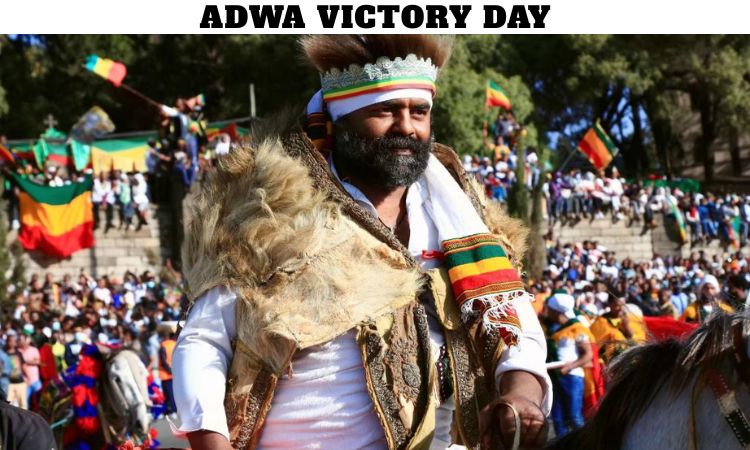
What Is Adwa Victory Day and Why Is It Celebrated on March 2?
Adwa Victory Day, observed annually on March 2, commemorates one of the most remarkable military victories in African history—the Battle of Adwa in 1896. On this day, the forces of Ethiopia decisively defeated the invading army of Italy, preserving Ethiopia’s independence during the height of European colonial expansion.
Adwa Victory Day stands as a powerful symbol of resistance, unity, and national pride. At a time when much of Africa was being colonized, Ethiopia’s triumph demonstrated that African nations could defend their sovereignty against imperial ambitions.
March 2 is not merely a national holiday in Ethiopia; it is a historic milestone that resonates across the African continent and within the global African diaspora.
What Was the Battle of Adwa?
The Battle of Adwa, fought on March 2, 1896, was a decisive confrontation between Ethiopian forces and the Italian army. The conflict arose from disputes over the Treaty of Wuchale, signed in 1889.
Italy claimed that a clause in the treaty effectively made Ethiopia an Italian protectorate. However, the Amharic version of the treaty did not include such a provision. Ethiopian Emperor Menelik II rejected Italy’s interpretation, leading to escalating tensions.
Determined to assert control, Italy launched a military campaign into Ethiopian territory. In response, Menelik II mobilized a vast and unified Ethiopian army composed of soldiers from diverse ethnic and regional backgrounds.
The confrontation culminated near the town of Adwa in northern Ethiopia, where Ethiopian forces delivered a resounding defeat to the Italian troops.
Why Was the Victory at Adwa So Significant?
The victory at Adwa was extraordinary for several reasons:
Ethiopia successfully resisted European colonization.
It preserved the country’s sovereignty and independence.
It inspired anti-colonial movements across Africa and beyond.
It challenged prevailing narratives of European military superiority.
At a time when European powers were dividing Africa during the “Scramble for Africa,” Ethiopia’s triumph stood as a beacon of hope and defiance.
Adwa Victory Day celebrates not only military success but also the affirmation of dignity, unity, and national determination.
Who Were the Key Leaders Behind the Victory?
The victory at Adwa was the result of visionary leadership and strategic coordination.
Emperor Menelik II
Menelik II played a central role in unifying Ethiopia’s regional rulers and organizing a formidable army. His diplomatic skills secured modern weapons from European sources, ensuring Ethiopian forces were well-equipped.
Empress Taytu Betul
Taytu Betul was instrumental in advising Menelik II and rallying support. She strongly opposed Italian expansion and actively participated in strategic decisions.
Their combined leadership ensured a cohesive national defense that transcended regional differences.
How Did Ethiopia Achieve Such a Remarkable Military Victory?
Ethiopia’s success at Adwa was not accidental. Several factors contributed to the outcome:
National Unity
Ethiopian forces represented diverse ethnic and regional groups united under a shared purpose—defending sovereignty.
Strategic Preparation
Menelik II mobilized hundreds of thousands of troops and secured modern firearms and artillery.
Knowledge of Terrain
Ethiopian soldiers were familiar with the mountainous terrain around Adwa, providing a tactical advantage.
Italian Miscalculations
The Italian army underestimated Ethiopian strength and faced logistical challenges.
The combination of preparation, unity, and strategic advantage ensured a decisive Ethiopian victory.
What Impact Did the Victory Have on Africa?
The Battle of Adwa reverberated far beyond Ethiopia’s borders. Across Africa and the African diaspora, the victory became a symbol of resistance and empowerment.
Adwa inspired early Pan-African thinkers and leaders who saw in Ethiopia a model of African independence. It strengthened movements advocating self-determination and liberation from colonial rule.
Even decades later, African independence leaders cited Adwa as proof that colonial powers were not invincible.
Adwa Victory Day continues to symbolize African resilience and collective strength.
How Is Adwa Victory Day Celebrated in Ethiopia?
Adwa Victory Day is marked by nationwide celebrations, ceremonies, and cultural events.
Official Ceremonies
Government officials lay wreaths at monuments honoring those who fought at Adwa.
Military Parades
Armed forces participate in parades that showcase national pride and commemorate the historic triumph.
Cultural Performances
Traditional music, dance, and storytelling highlight Ethiopia’s rich heritage.
Educational Programs
Schools and universities host lectures and discussions about the historical significance of the battle.
The city of Adwa itself becomes a focal point of commemorations, drawing visitors and dignitaries from across the country.
Why Does Adwa Victory Day Matter Today?
Adwa Victory Day remains deeply relevant in modern times. It reminds Ethiopians of the power of unity and collective action.
The victory underscores the importance of:
Sovereignty
Self-determination
National unity
Strategic leadership
In a globalized world where geopolitical challenges persist, Adwa serves as a historical reminder that independence requires vigilance and cohesion.
How Did Adwa Influence Global Perceptions of Africa?
Before Adwa, colonial narratives often portrayed African societies as incapable of organized resistance. Ethiopia’s triumph shattered these stereotypes.
The victory forced European powers to recognize Ethiopia as a sovereign state. Italy later signed the Treaty of Addis Ababa in 1896, formally recognizing Ethiopian independence.
Adwa altered global perceptions and demonstrated that African nations possessed sophisticated leadership, military organization, and diplomatic acumen.
What Lessons Can Be Learned from Adwa Victory Day?
The legacy of Adwa offers enduring lessons:
Unity Is Strength
Diverse communities united under shared goals can overcome formidable challenges.
Preparation Is Essential
Strategic planning and resource mobilization are critical for success.
Leadership Matters
Visionary leaders can inspire collective action and resilience.
History Shapes Identity
Remembering past victories strengthens national pride and cultural continuity.
Adwa Victory Day encourages reflection on these principles.
How Does Adwa Connect to Pan-Africanism?
Adwa became a cornerstone of Pan-African identity. Leaders across Africa and in the diaspora celebrated Ethiopia’s independence as a collective victory for Black people worldwide.
Ethiopia’s survival as an independent African state provided hope during periods of colonial domination. Adwa became a symbol of pride, influencing intellectual movements and liberation struggles throughout the 20th century.
The day continues to resonate within global discussions about African heritage and empowerment.
Conclusion: A Timeless Symbol of Sovereignty and Courage
Adwa Victory Day – March 2 commemorates a defining moment in world history. The victory at Adwa demonstrated that unity, preparation, and leadership could triumph over imperial ambition.
For Ethiopia, it represents preserved independence and national pride. For Africa and the diaspora, it stands as a symbol of resilience and self-determination.