

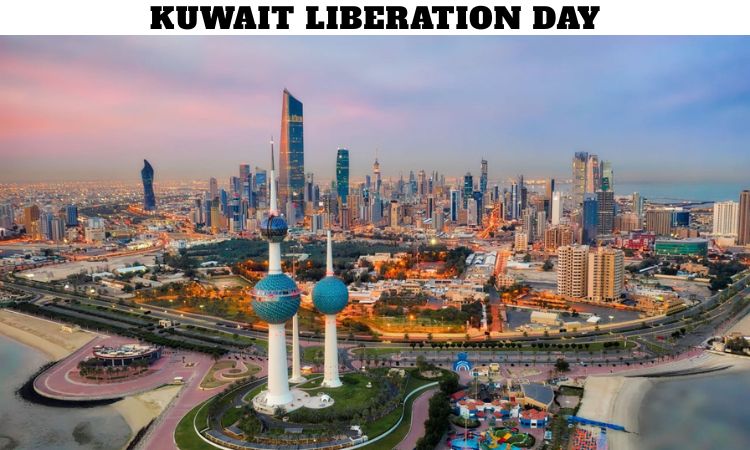
What Is Kuwait Liberation Day, and Why Is It Celebrated on February 26?
Kuwait Liberation Day, observed annually on February 26, commemorates the liberation of the State of Kuwait from Iraqi occupation in 1991. This historic day marks the restoration of sovereignty, national dignity, and constitutional governance following months of hardship and resilience. We recognize this day as a defining chapter in Kuwait’s modern history—a moment when unity, international cooperation, and unwavering national spirit led to the country’s freedom.
Although Kuwait National Day is celebrated on February 25, Liberation Day follows immediately after, forming a powerful two-day national celebration. Together, these dates represent independence, endurance, and triumph.
What Happened During the Iraqi Invasion of Kuwait in 1990?
On August 2, 1990, Iraqi forces invaded Kuwait, leading to a seven-month occupation that disrupted governance, displaced citizens, and destabilized the Gulf region. The invasion shocked the international community and prompted swift diplomatic and military responses.
The occupation period tested Kuwait’s resilience. Many citizens sought refuge abroad, while resistance efforts continued within the country. Kuwaiti leadership, operating from exile, mobilized diplomatic support and advocated for international intervention to restore sovereignty.
The occupation officially ended on February 26, 1991, when coalition forces liberated Kuwait. This date became a permanent national symbol of courage and freedom.
How Did the Gulf War Lead to Kuwait’s Liberation?
The liberation of Kuwait was achieved through a multinational coalition under the banner of United Nations resolutions. A coalition led by the United States launched Operation Desert Storm in January 1991 after diplomatic efforts failed to secure Iraqi withdrawal.
The coalition included forces from the United Kingdom, Saudi Arabia, France, and many other nations. The military campaign combined air strikes and ground offensives that ultimately compelled Iraqi forces to retreat.
On February 26, 1991, Kuwait was officially liberated. The day marked the end of the occupation and the beginning of national recovery.
Why Is Kuwait Liberation Day So Important to Kuwaiti Citizens?
Kuwait Liberation Day symbolizes more than military victory. It represents national resilience, unity, and sacrifice. Families remember loved ones who endured occupation, resisted oppression, or contributed to liberation efforts.
For citizens, this day reaffirms their commitment to sovereignty and constitutional governance. It honors the courage of those who defended the homeland and celebrates the solidarity of the international community.
Liberation Day is not merely a historical remembrance—it is a reaffirmation of identity and collective strength.
How Is Kuwait Liberation Day Celebrated Across the Country?
Celebrations across Kuwait are vibrant, patriotic, and deeply emotional. Cities are decorated with national flags, lights, and images of leadership. Public and private buildings display patriotic themes reflecting national pride.
Major roads in Kuwait City become gathering spaces where families drive in decorated cars waving Kuwaiti flags. Traditional music fills the air, and fireworks illuminate the skyline.
Public events often include:
Military parades honoring coalition and Kuwaiti forces
Cultural performances highlighting Kuwaiti heritage
Fireworks displays and air shows
Community gatherings and family celebrations
National songs expressing unity and patriotism
The atmosphere reflects gratitude, remembrance, and celebration.
What Role Did the International Coalition Play in Liberation?
The international coalition demonstrated the power of a unified global response to aggression. Acting under United Nations authorization, coalition forces worked collectively to enforce international law and restore Kuwaiti sovereignty.
The liberation strengthened diplomatic relationships between Kuwait and coalition nations. It also reinforced the importance of global alliances in maintaining regional stability.
Kuwait continues to honor the sacrifices of coalition soldiers who contributed to liberation efforts.
How Did Liberation Day Shape Kuwait’s Political and Economic Future?
Following liberation, Kuwait embarked on a comprehensive rebuilding process. Infrastructure damaged during the occupation was restored, oil facilities were rehabilitated, and governance structures were reestablished.
The post-liberation era marked a renewed focus on:
Economic diversification
Strengthening national security
Enhancing diplomatic partnerships
Expanding social development initiatives
Liberation reinforced Kuwait’s commitment to modernization while preserving its cultural identity.
What Is the Connection Between Kuwait National Day and Liberation Day?
Kuwait National Day on February 25 commemorates independence from British protection in 1961. Liberation Day on February 26 honors the restoration of sovereignty in 1991.
Together, these two consecutive holidays represent independence and resilience—the founding and safeguarding of the nation.
The dual celebration creates a prolonged national holiday marked by patriotic unity and festive pride.
How Do Schools and Institutions Observe Liberation Day?
Educational institutions organize programs to educate younger generations about the invasion and liberation. Students participate in:
Patriotic assemblies
Historical presentations
Art and essay competitions
Flag-hoisting ceremonies
These initiatives ensure that future generations understand the value of freedom and the sacrifices that secured it.
Government institutions also hold official ceremonies recognizing military personnel and national leaders who played significant roles during the crisis.
What Symbols Represent Kuwait Liberation Day?
Key symbols of Liberation Day include:
The Kuwaiti national flag
Images of national leadership
Patriotic songs
Fireworks displays
Military uniforms and medals
These symbols collectively represent sovereignty, unity, and national pride.
The Kuwaiti flag, in particular, becomes a powerful visual reminder of independence. Citizens proudly display it on homes, vehicles, and public spaces.
How Does Kuwait Honor the Martyrs and Heroes of Liberation?
Kuwait pays tribute to those who sacrificed their lives through memorials, ceremonies, and official recognitions. Families of martyrs are honored publicly, and veterans receive acknowledgment for their service.
National remembrance events provide space for reflection, gratitude, and collective mourning. These tributes reinforce respect for the sacrifices made to protect the homeland.
What Impact Did Liberation Have on Kuwait’s Global Standing?
Kuwait’s liberation strengthened its diplomatic influence in the Gulf region and internationally. The country became a symbol of resilience and international solidarity.
Post-liberation, Kuwait has actively participated in humanitarian and diplomatic efforts, reinforcing its role as a responsible global partner. The experience shaped Kuwait’s foreign policy, emphasizing cooperation and regional stability.
Why Does Kuwait Liberation Day Continue to Inspire National Unity?
Every February 26, citizens relive a powerful chapter of courage and collective determination. The day serves as a reminder that national unity can overcome adversity.
Liberation Day strengthens bonds among citizens regardless of background. It transcends political differences and reinforces shared identity.
The annual celebration fosters gratitude for peace and stability, ensuring that history remains a guiding force for future generations.
What Lessons Does Kuwait Liberation Day Teach the World?
Kuwait Liberation Day demonstrates that sovereignty, when defended with unity and supported by international cooperation, can be restored. It reflects the importance of diplomatic alliances, resilience in adversity, and unwavering commitment to national values.
The events of 1990–1991 highlight the necessity of international law and collective action against aggression. Liberation Day stands as a testament to the enduring strength of the national spirit.
How Can Visitors Experience Kuwait Liberation Day Celebrations?
Visitors to Kuwait during Liberation Day witness an extraordinary display of patriotism. The streets of Kuwait City come alive with parades, music, and cultural exhibitions. Hotels, malls, and public venues host themed events reflecting national pride.
The festive atmosphere, illuminated skyline, and communal gatherings create a memorable experience that reflects the heart of Kuwaiti identity.
Why Is February 26 Forever Etched in Kuwait’s History?
February 26 represents the restoration of hope, governance, and sovereignty. It is a day that transformed despair into triumph.
Kuwait Liberation Day remains an enduring reminder that freedom, once challenged, can be reclaimed through resilience and unity. The celebration reflects strength forged through adversity and the unwavering determination of a nation.