

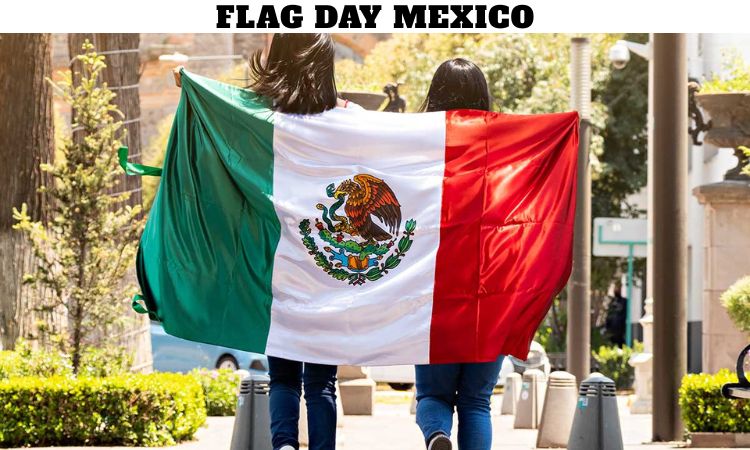
What Is Flag Day Mexico – February 24, and Why Is It So Important?
Flag Day Mexico – February 24, known in Spanish as Día de la Bandera, is one of the most significant patriotic celebrations in the United Mexican States. Each year on February 24, we come together as a nation to honor the Mexican flag, a sacred emblem that represents our independence, unity, and enduring national identity. This day is not merely ceremonial; it is a powerful expression of history, sovereignty, and collective pride.
Established officially in 1937 and later recognized by presidential decree in 1940, Flag Day commemorates the adoption of the national flag in 1821. It marks the moment when Mexico began to define itself as an independent nation, free from colonial rule and unified under a shared symbol.
Through solemn ceremonies, educational programs, and public tributes, we reaffirm our commitment to the values symbolized by the flag—hope, purity, faith, bravery, and the blood shed for independence.
How Did Flag Day in Mexico – February 24 Originate?
The origins of Flag Day in Mexico are deeply rooted in the final stages of the Mexican War of Independence. On February 24, 1821, the Plan of Iguala was proclaimed by Agustín de Iturbide, establishing the Army of the Three Guarantees. These three guarantees were:
Religion (Catholic faith)
Independence (from Spain)
Unity (between Spaniards and Mexicans)
The flag of this army became the foundation of the modern Mexican flag. Its colors—green, white, and red—have evolved in meaning over time, but their historical significance remains unchanged.
In 1937, President Lázaro Cárdenas officially recognized February 24 as Flag Day. By 1940, it was declared a national civic celebration, firmly embedding it in Mexico’s patriotic calendar.
What Do the Colors and Symbols of the Mexican Flag Represent?
The Mexican flag is one of the most distinctive and meaningful national flags in the world. It consists of three vertical stripes—green, white, and red—with the national coat of arms centered in the white band.
Meaning of the Colors
Green symbolizes hope and independence.
White represents unity and purity.
Red stands for the blood of national heroes.
These meanings have evolved historically, yet today they reflect national unity, resilience, and shared heritage.
The Coat of Arms
At the center of the flag is an eagle perched on a cactus while devouring a serpent. This imagery comes from Aztec legend and the founding of Tenochtitlan, the ancient capital of the Mexica civilization.
According to tradition, the Aztecs were instructed by their god Huitzilopochtli to build their city where they saw an eagle devouring a serpent atop a cactus. That site became Tenochtitlan, which is now modern-day Mexico City.
The coat of arms connects the modern nation to its indigenous roots, symbolizing strength, triumph, and divine destiny.
How Is Flag Day in Mexico Celebrated Across the Country?
Across Mexico, Flag Day is observed with dignity and reverence. Schools, government institutions, and military units organize ceremonies that reinforce patriotism and civic responsibility.
Official Ceremonies
The President of Mexico leads a formal event at the Campo Marte in Mexico City, where new flags are presented to schools and organizations. Military honors, flag-raising ceremonies, and the singing of the national anthem create a solemn atmosphere.
School Celebrations
Students participate in:
Flag pledges
Historical reenactments
Cultural performances
Speeches about national identity
These activities strengthen civic values and deepen understanding of Mexican history.
Public Participation
Citizens display flags at homes and businesses. Public squares are decorated, and community events emphasize the flag’s historical and emotional significance.
Why Is the Mexican Flag Considered One of the Most Iconic National Symbols?
The Mexican flag stands among the most recognizable flags globally due to its vibrant colors and intricate coat of arms. Unlike many flags that feature simple geometric designs, Mexico’s emblem tells a complete historical narrative.
The powerful symbolism connects:
Indigenous heritage
Colonial history
Independence struggle
Modern sovereignty
This layered meaning elevates the flag beyond a decorative emblem—it is a living symbol of the nation’s journey.
How Has the Mexican Flag Evolved?
The design of the Mexican flag has undergone several transformations since 1821. Early versions featured variations of the tricolor pattern and differing interpretations of the eagle emblem.
Significant redesigns occurred during:
The First Mexican Empire
The Republican era
The Porfiriato
The post-revolutionary period
The current design was officially adopted in 1968 and standardized in 1984 under the Law on the National Shield, Flag, and Anthem.
Each revision refined the coat of arms, ensuring historical accuracy and artistic consistency while preserving the fundamental symbolism.
What Role Does Flag Day Mexico Play in National Identity?
Flag Day Mexico serves as a powerful reaffirmation of Mexican identity. In a country rich with cultural diversity, the flag acts as a unifying force that transcends regional, linguistic, and social differences.
We recognize that:
It represents independence from colonial rule.
It honors those who fought for sovereignty.
It symbolizes unity among citizens.
Through commemorations, we reinforce collective memory and patriotic pride.
How Does Flag Day Strengthen Civic Education?
Flag Day is not only ceremonial—it is educational. Schools use this occasion to teach:
Mexican history
Constitutional values
Respect for national symbols
Students learn the proper protocol for handling the flag, the meaning behind its imagery, and the sacrifices made to secure independence.
By instilling respect from a young age, the nation ensures that future generations carry forward the legacy of unity and patriotism.
What Is the Legal Framework Protecting the Mexican Flag?
Mexico maintains strict laws governing the use and display of the national flag. The Law on the National Shield, Flag, and Anthem regulates:
Proper dimensions
Color specifications
Usage protocols
Official ceremonies
Unauthorized alteration or disrespect toward the flag can result in penalties. These regulations safeguard the integrity of the national symbol and maintain its dignity.
How Does Flag Day Mexico Compare to Other Patriotic Holidays?
While Mexico celebrates other major patriotic holidays such as Independence Day on September 16 and Revolution Day on November 20, Flag Day is uniquely focused on the national emblem itself.
Independence Day commemorates the Grito de Dolores, initiated by Miguel Hidalgo y Costilla. Revolution Day honors the transformative social movement of 1910.
Flag Day, however, unites these historical milestones under a single enduring symbol—the national flag.
Why Does the Flag Continue to Inspire Mexicans Worldwide?
For millions of Mexicans living abroad, the flag represents homeland, heritage, and identity. During international events, sports competitions, and cultural festivals, the sight of the green, white, and red evokes powerful emotions.
It symbolizes:
Cultural pride
Historical resilience
National solidarity
Whether raised in Mexico or abroad, the flag remains a source of inspiration and unity.
What Makes Flag Day Mexico – February 24 a Lasting Symbol of Unity?
Flag Day in Mexico stands as a testament to Mexico’s enduring spirit. The flag embodies centuries of struggle, transformation, and triumph. It connects indigenous origins with modern democracy, colonial past with sovereign future.