

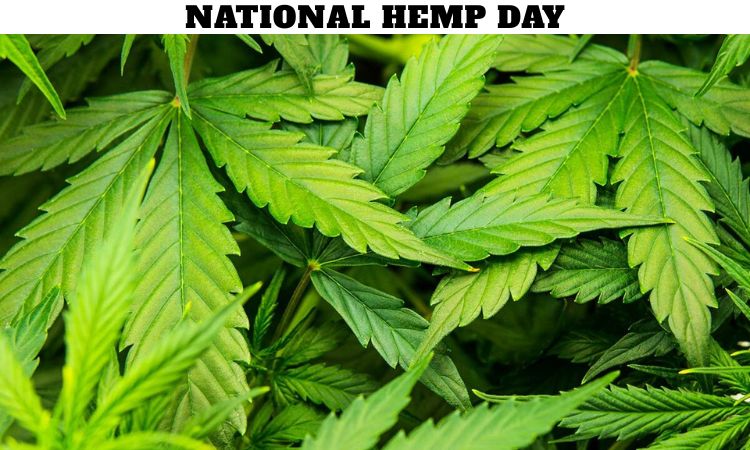
National Hemp Day, observed annually on February 4, is a significant occasion dedicated to recognizing the remarkable value of industrial hemp and its growing importance across global industries. We mark this day to acknowledge hemp’s historical roots, its modern-day applications, and its future potential as one of the most sustainable and versatile natural resources available to humanity. From agriculture and construction to health, wellness, and environmental conservation, hemp stands as a transformative crop that aligns innovation with sustainability.
As awareness around eco-friendly alternatives continues to rise, National Hemp Day provides an opportunity to educate, advocate, and inspire action toward a greener, more resilient future driven by hemp-based solutions.
The Historical Significance of Hemp
Hemp is not a modern discovery. Its documented use spans thousands of years, making it one of the oldest cultivated crops in human history. Ancient civilizations relied on hemp for textiles, ropes, paper, sails, and food. Historical records reveal that hemp was a cornerstone of early economies due to its durability, fast growth cycle, and minimal resource requirements.
During the colonial era, hemp played a crucial role in trade and industry. Many early documents were written on hemp paper, valued for its longevity and resistance to decay. National Hemp Day honors this legacy while emphasizing hemp’s resurgence as a solution to modern economic and environmental challenges.
Understanding Hemp: A Sustainable Agricultural Marvel
Industrial hemp is a non-intoxicating variety of the Cannabis sativa plant, cultivated specifically for industrial and commercial use. Unlike its psychoactive counterparts, hemp contains negligible levels of THC, making it safe and legal for industrial applications in many regions.
Hemp is celebrated for its exceptional sustainability:
It grows rapidly, often reaching maturity in under four months
It requires significantly less water than conventional crops
It improves soil health by reducing erosion and restoring nutrients
It naturally resists pests, minimizing the need for chemical pesticides
These characteristics position hemp as a cornerstone crop in sustainable agriculture and climate-resilient farming systems.
Industrial Applications of Hemp
One of the defining features of hemp is its extraordinary versatility. National Hemp Day highlights the broad range of industries benefiting from hemp-based innovations.
Hemp in Textiles and Fashion
Hemp fibers produce strong, breathable, and long-lasting fabrics. Hemp clothing is naturally antimicrobial, UV-resistant, and biodegradable, making it an ideal alternative to synthetic textiles. As sustainable fashion gains momentum, hemp is increasingly embraced by designers and manufacturers seeking environmentally responsible materials.
Hemp in Construction and Architecture
Hemp-based building materials, particularly hempcrete, are revolutionizing green construction. Hempcrete offers excellent insulation, fire resistance, and carbon-negative properties. Buildings constructed with hemp materials contribute to lower energy consumption and reduced environmental impact.
Hemp in Paper and Packaging
Hemp paper requires fewer chemicals and less processing than traditional wood-based paper. It can be recycled more times and helps reduce deforestation. Hemp-based packaging solutions are rapidly gaining traction as industries transition away from plastic.
Hemp in Health, Wellness, and Nutrition
The wellness sector has embraced hemp for its nutritional density and therapeutic properties. Hemp seeds are a complete protein source, containing all essential amino acids. They are rich in omega-3 and omega-6 fatty acids, fiber, vitamins, and minerals.
Hemp-derived products are widely used in:
Nutritional supplements
Skincare and cosmetic formulations
Functional foods and beverages
These applications align with the growing consumer demand for plant-based, clean-label, and holistic wellness products.
Environmental Benefits of Hemp Cultivation
National Hemp Day underscores hemp’s role in environmental restoration and climate action. Hemp actively absorbs carbon dioxide from the atmosphere, making it an effective tool in carbon sequestration efforts. Its deep root systems enhance soil structure and prevent land degradation.
Additionally, hemp can be cultivated on marginal land, offering a sustainable alternative without displacing food crops. This makes hemp a strategic asset in addressing climate change, biodiversity loss, and sustainable land management.
Economic Impact and Global Market Growth
The global hemp market is experiencing robust growth, driven by rising demand across multiple sectors. Hemp cultivation and processing generate employment opportunities throughout the supply chain, from farming and manufacturing to research and retail.
National Hemp Day draws attention to hemp’s role in:
Supporting rural economies
Encouraging agricultural diversification
Stimulating innovation in bio-based industries
As regulatory frameworks evolve, hemp is increasingly recognized as a high-value crop with long-term economic potential.
Legal Recognition and Policy Progress
Over the past decade, hemp has seen significant advancements in legal recognition. Many countries have updated regulations to distinguish industrial hemp from psychoactive cannabis, enabling large-scale cultivation and commercialization.
National Hemp Day also serves as a platform to advocate for science-based policies, fair market access, and continued investment in hemp research and development. Clear regulations empower farmers, entrepreneurs, and investors to fully realize hemp’s benefits.
Cultural and Educational Importance of National Hemp Day
Beyond industry and economics, National Hemp Day is about awareness and education. It encourages communities, institutions, and organizations to engage in meaningful conversations about sustainability, innovation, and responsible resource use.
Educational initiatives on this day often focus on:
Hemp literacy and myth-busting
Sustainable living practices
Youth engagement and agricultural education
By fostering informed dialogue, National Hemp Day helps build a future where hemp is understood, respected, and responsibly utilized.
The Future of Hemp Innovation
The future of hemp is defined by innovation. Ongoing research continues to unlock new applications, including bioplastics, biofuels, advanced composites, and medical research. As technology and sustainability intersect, hemp is positioned to play a central role in the global transition toward renewable and regenerative systems.
We recognize National Hemp Day as both a celebration and a call to action—one that invites collaboration across sectors to harness hemp’s full potential for societal and environmental progress.
Conclusion: Why National Hemp Day Matters
National Hemp Day is more than a symbolic observance. It is a recognition of hemp’s enduring legacy and its transformative role in shaping a sustainable future. By embracing hemp, we support cleaner industries, healthier ecosystems, and resilient economies.