

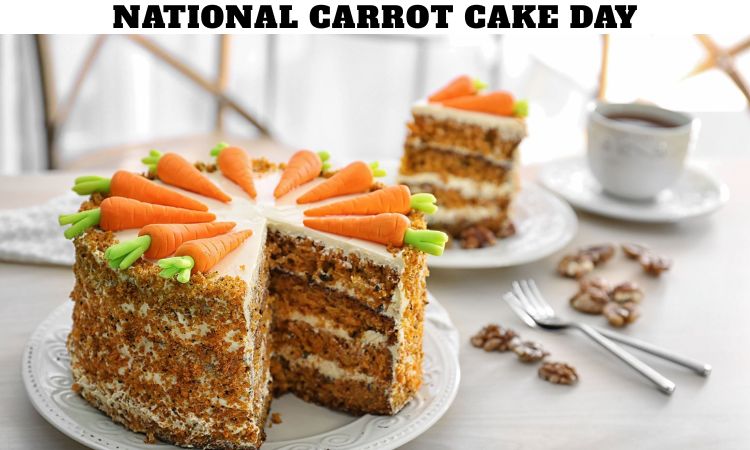
National Carrot Cake Day, celebrated every year on February 3, honors one of the most iconic and beloved desserts in the world. With its perfect balance of natural sweetness, warm spices, moist texture, and luxurious cream cheese frosting, carrot cake has earned a permanent place in global culinary culture. On this special day, we celebrate not just a cake, but a dessert that represents comfort, tradition, creativity, and indulgence.
We explore the history, cultural importance, variations, nutritional value, baking techniques, and modern popularity of carrot cake, making this a comprehensive guide to National Carrot Cake Day.
The History and Evolution of Carrot Cake
The origins of carrot cake trace back centuries, rooted in times when sugar was scarce and expensive. Carrots, naturally high in sugar, became a popular alternative sweetener in medieval Europe. Early carrot-based puddings eventually evolved into baked cakes as ovens became more common.
Carrot cake gained widespread popularity during World War II, when rationing limited sugar availability. Bakers relied on carrots to add sweetness and moisture, resulting in a cake that was economical yet satisfying. Over time, this humble recipe transformed into the rich, spiced dessert we know today.
Why is National Carrot Cake Day celebrated on February 3?
February 3 was chosen to honor carrot cake as a celebration of culinary creativity and tradition. Positioned in the heart of winter, National Carrot Cake Day brings warmth and comfort through a dessert that symbolizes home baking and indulgence. It also encourages baking enthusiasts and dessert lovers to rediscover classic recipes while experimenting with modern twists.
What Makes Carrot Cake Unique Among Desserts?
Carrot cake stands apart due to its distinctive combination of ingredients and textures:
Freshly grated carrots for moisture and sweetness
Warm spices like cinnamon, nutmeg, and ginger
Crunchy additions such as walnuts or pecans
Cream cheese frosting that adds tangy richness
Unlike overly sweet cakes, carrot cake delivers a balanced flavor profile, making it appealing to a wide range of palates.
Classic Ingredients That Define Authentic Carrot Cake
An authentic carrot cake relies on carefully selected ingredients that work harmoniously:
All-purpose flour for structure
Fresh carrots, finely grated
Brown and white sugar for depth of sweetness
Eggs for richness and binding
Vegetable oil for long-lasting moisture
Spices, including cinnamon, nutmeg, and cloves
Cream cheese, butter, and powdered sugar for frosting
Each component plays a vital role in achieving the cake’s signature taste and texture.
Popular Variations of Carrot Cake Across the World
Carrot cake has evolved into numerous variations while maintaining its core identity:
Classic American Carrot Cake
Dense, moist, heavily spiced, and topped with thick cream cheese frosting.
British-Style Carrot Cake
Less sweet, often including raisins and walnuts, with a lighter frosting layer.
Vegan Carrot Cake
Uses plant-based milk, flax eggs, and dairy-free frosting without compromising flavor.
Gluten-Free Carrot Cake
Prepared with almond flour or gluten-free blends, offering a nutty texture.
Modern Gourmet Versions
Infused with pineapple, coconut, orange zest, or maple syrup for enhanced flavor.
Nutritional Value of Carrot Cake
While carrot cake is an indulgent dessert, it offers certain nutritional advantages when compared to other cakes:
Carrots provide beta-carotene, fiber, and antioxidants
Nuts add healthy fats and protein
Spices support digestion and metabolism
Portion control allows carrot cake to be enjoyed as a balanced treat, especially when baked at home with quality ingredients.
How to Celebrate National Carrot Cake Day?
We can celebrate National Carrot Cake Day in many meaningful and enjoyable ways:
Bake a homemade carrot cake using a traditional recipe
Support local bakeries by purchasing freshly baked carrot cake
Experiment with creative variations like cupcakes or layered cakes
Share carrot cake with family, friends, or colleagues
Post celebrations on social media using relevant food hashtags
This day is a perfect opportunity to combine culinary joy with shared experiences.
Tips for Baking the Perfect Carrot Cake
Achieving bakery-quality carrot cake requires attention to detail:
Use freshly grated carrots, not pre-packaged
Avoid overmixing to maintain softness
Use oil instead of butter for maximum moisture
Let the cake cool completely before frosting
Chill the frosting slightly for smoother application
These techniques ensure a soft crumb, rich flavor, and professional finish.
The Role of Cream Cheese Frosting in Carrot Cake
Cream cheese frosting is inseparable from carrot cake. Its tangy, creamy texture complements the sweetness and spices of the cake. Made with cream cheese, butter, powdered sugar, and vanilla, this frosting elevates carrot cake into a truly luxurious dessert.
Variations include lighter whipped frosting, less-sugar versions, or flavored frostings with citrus zest or spices.
Why Carrot Cake Remains Popular in Modern Times?
Despite changing dessert trends, carrot cake remains timeless because it offers:
Comfort and nostalgia
Versatility in recipes
A balance of indulgence and wholesomeness
Wide appeal across age groups
Its ability to adapt to dietary preferences while preserving its core flavor ensures its continued popularity.
National Carrot Cake Day in Culinary Culture
Food bloggers, bakeries, restaurants, and culinary brands actively celebrate National Carrot Cake Day with exclusive offers, limited-edition desserts, and themed content. This day strengthens carrot cake’s position as a cultural and culinary icon.
Conclusion: A Sweet Tribute to National Carrot Cake Day – February 3
National Carrot Cake Day is more than a food celebration; it is a tribute to tradition, creativity, and timeless flavor. From its historical roots to modern gourmet interpretations, carrot cake continues to delight dessert lovers worldwide. By baking, sharing, and savoring this iconic cake, we honor a dessert that perfectly blends comfort, culture, and culinary excellence.