

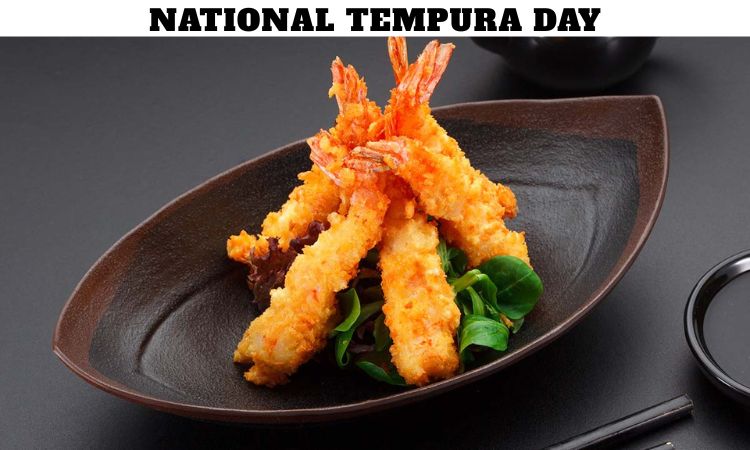
National Tempura Day, celebrated annually on January 7, is a tribute to one of the most refined and universally loved culinary techniques in the world. Tempura represents the perfect balance of lightness, crisp texture, and natural flavor, transforming simple ingredients into an elevated dining experience. On this special day, we honor the artistry behind tempura, its historical evolution, and its enduring place in global cuisine.
Tempura is more than fried food; it is a culinary philosophy built on precision, timing, and respect for ingredients. National Tempura Day invites food enthusiasts, chefs, and home cooks to rediscover the elegance of this iconic preparation.
The Origins and Evolution of Tempura
Tempura has a fascinating history that blends international influence with Japanese refinement. The technique is believed to have been introduced to Japan in the 16th century by Portuguese missionaries and traders. Over time, Japanese chefs adapted the method, refining the batter, oil temperature, and frying process to create what we now recognize as authentic tempura.
By the Edo period, tempura had become a popular street food in Japan, prized for its quick preparation and delicate crunch. Today, it stands as a hallmark of Japanese cuisine, celebrated worldwide for its subtlety and sophistication. National Tempura Day reflects this rich journey, honoring centuries of culinary mastery.
Why January 7 Is Dedicated to Tempura?
The selection of January 7 for National Tempura Day aligns with Japan’s cultural traditions surrounding seasonal foods and light meals after New Year celebrations. Tempura’s airy texture and clean taste make it an ideal dish to enjoy at the beginning of the year, symbolizing freshness, balance, and renewal.
This date encourages people to start the year with mindful eating while indulging in flavors that are both comforting and refined.
What Makes Tempura Truly Unique?
Tempura stands apart from other fried dishes due to its minimalist batter and precise technique. Unlike heavy coatings, tempura batter is made with cold water and flour, mixed lightly to avoid gluten development. The result is a thin, crisp shell that enhances rather than masks the ingredient inside.
Key elements that define exceptional tempura include:
Ice-cold batter for optimal crispness
High-quality oil is maintained at precise temperatures
Fresh, seasonal ingredients
Short frying time to preserve flavor and texture
National Tempura Day celebrates these principles that elevate tempura into a culinary art form.
Popular Tempura Ingredients Across Cultures
Tempura’s versatility is one of its greatest strengths. While traditionally associated with Japanese cuisine, its adaptability has allowed it to flourish globally.
Classic Japanese Tempura
Shrimp (Ebi Tempura) – The most iconic form, known for its elegant shape and sweet flavor
Vegetables such as sweet potato, eggplant, lotus root, and green beans
Seafood, including squid, white fish, and scallops
Modern and Global Variations
Tempura avocado and asparagus
Tempura soft-shell crab
Fusion creations featuring cheese, mushrooms, and herbs
National Tempura Day is the perfect occasion to explore both traditional and contemporary interpretations.
The Art of Eating Tempura
Tempura is best enjoyed immediately after frying, when the coating is at its crispest. It is traditionally served with tentsuyu dipping sauce, made from dashi, soy sauce, and mirin, often accompanied by grated daikon radish.
In high-end tempura restaurants, each piece is served individually to ensure optimal temperature and texture. This mindful approach transforms the meal into an experience rather than mere consumption.
Tempura in Modern Gastronomy
In contemporary cuisine, tempura has found a place in fine dining, fusion menus, and gourmet street food. Chefs around the world use tempura techniques to add contrast and texture to innovative dishes.
From tempura sushi rolls to plated tasting menus, this preparation continues to evolve while maintaining its core principles. National Tempura Day highlights how tradition and innovation coexist harmoniously in modern gastronomy.
Health Perspective: Light Yet Indulgent
While tempura is fried, it is often considered lighter than many deep-fried foods due to:
Thin batter absorption
High-temperature, short-duration frying
Minimal oil retention
When prepared correctly, tempura retains the natural moisture and nutrients of the ingredient, offering a satisfying yet balanced indulgence. National Tempura Day promotes mindful enjoyment rather than excess.
How We Can Celebrate National Tempura Day?
National Tempura Day offers countless ways to celebrate, whether at home or dining out.
At Home
Experiment with seasonal vegetables
Practice batter technique using ice-cold water
Pair tempura with steamed rice or soba noodles
Dining Out
Visit a specialty tempura restaurant
Explore tasting menus dedicated to tempura
Try fusion dishes that reinterpret classic tempura
Celebrating National Tempura Day is about appreciating craftsmanship and flavor in every bite.
Tempura as a Cultural Symbol
Beyond food, tempura symbolizes discipline, simplicity, and respect for nature. It reflects a culinary mindset where restraint is valued over excess and technique enhances authenticity.
National Tempura Day serves as a reminder that great cuisine often lies in precision and balance, not complexity.
The Global Popularity of Tempura
Tempura’s appeal transcends borders. From Asia to Europe and the Americas, tempura has become a staple in international cuisine. Its lightness makes it accessible, while its elegance makes it aspirational.
Food festivals, restaurants, and culinary schools worldwide recognize National Tempura Day as an opportunity to showcase this timeless preparation.
Conclusion: Honoring National Tempura Day – January 7
National Tempura Day is a celebration of culinary excellence, tradition, and innovation. It honors a dish that has traveled centuries and continents while remaining true to its essence. Tempura reminds us that simplicity, when executed with skill, can achieve extraordinary results.