

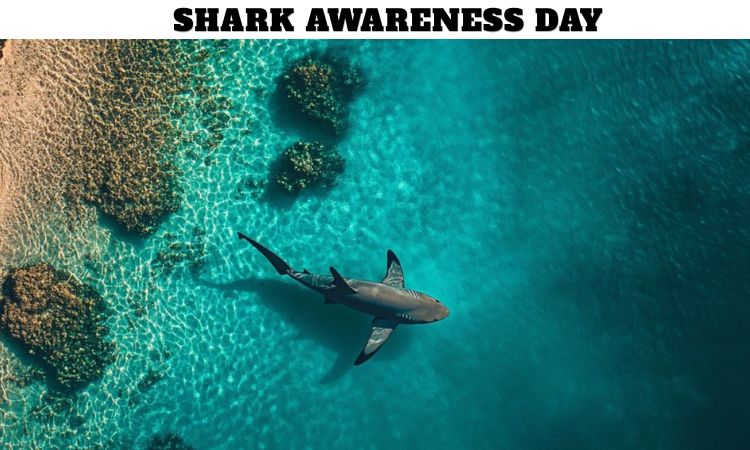
What Is Shark Awareness Day and Why Is It Celebrated on July 14?
Shark Awareness Day, observed every year on July 14, is a day dedicated to increasing awareness about sharks, their role in marine ecosystems, and the importance of protecting them from growing threats. Sharks have existed in Earth’s oceans for millions of years and play a vital role in maintaining the balance of marine life. Despite their importance, sharks are often misunderstood and portrayed negatively due to fear created by popular culture and media.
This awareness day encourages people to learn the truth about sharks, understand their behavior, and recognize the challenges these incredible creatures face. From overfishing and habitat destruction to the illegal shark fin trade and climate change, many shark species are experiencing declining populations. Shark Awareness Day provides an opportunity for individuals, organizations, and conservation groups to promote education and support efforts aimed at protecting shark populations worldwide.
Sharks are not simply predators; they are essential parts of ocean ecosystems. Their presence helps regulate populations of other marine animals and contributes to the overall health of oceans. By spreading accurate information about sharks, Shark Awareness Day helps replace fear with understanding and encourages responsible actions toward marine conservation.
Why Are Sharks Important for the Health of Oceans?
Sharks are considered apex predators in many marine environments, meaning they are at the top of the food chain. Their role is crucial because they help maintain balance among different species living in the ocean. By controlling populations of fish and other marine animals, sharks prevent certain species from becoming too abundant and damaging the ecosystem.
Healthy shark populations contribute to stronger and more diverse ocean environments. When shark numbers decrease significantly, it can create an imbalance known as a trophic cascade. This occurs when changes at the top of the food chain affect many other organisms below them. For example, fewer sharks may lead to an increase in certain predator species, which can reduce populations of smaller fish and negatively impact coral reefs and other marine habitats.
Sharks also help maintain the health of fish populations by often removing weak, injured, or diseased animals from the ecosystem. This natural process supports stronger marine communities and improves biodiversity. Protecting sharks means protecting the wider ocean environment that supports countless species, including those that humans depend on for food and economic activities.
How Did Shark Awareness Day Begin?
The exact origin of Shark Awareness Day is not linked to a single official organization or historical event. Instead, it developed as part of broader global efforts to raise awareness about shark conservation and challenge misconceptions surrounding these animals. Conservation groups, marine researchers, and ocean advocates have increasingly used awareness campaigns to highlight the importance of protecting sharks.
Over the years, public interest in marine conservation has grown, and special awareness days have become valuable tools for educating communities. Shark Awareness Day provides a platform for sharing scientific knowledge, promoting sustainable fishing practices, and encouraging people to support ocean protection initiatives.
The day has gained recognition through educational programs, social media campaigns, aquarium events, and conservation activities. These efforts focus on helping people understand that sharks are not dangerous monsters but important marine animals facing serious survival challenges.
What Are Some Interesting Facts About Sharks?
Sharks are among the oldest creatures on Earth, with ancestors dating back more than 400 million years. They existed long before dinosaurs and have survived multiple mass extinction events. Their ability to adapt to changing ocean conditions has allowed them to remain an important part of marine ecosystems for millions of years.
There are more than 500 known shark species around the world, ranging from small deep-sea sharks to the enormous whale shark. The whale shark is the largest fish species on Earth, reaching lengths of over 40 feet. Despite its size, it is a filter feeder that mainly consumes plankton and small marine organisms.
Sharks have highly developed senses that help them survive in ocean environments. Many species can detect tiny electrical signals produced by other animals, allowing them to locate prey even in dark or murky waters. Their powerful sense of smell and ability to sense movement make them highly effective hunters.
Contrary to common belief, most sharks do not pose a threat to humans. Shark attacks are extremely rare compared to many other risks people encounter in daily life. Most sharks avoid humans and prefer to remain in their natural marine habitats.
Why Are Sharks Facing Threats Around the World?
Despite their importance, sharks are facing significant threats caused largely by human activities. One of the biggest dangers is overfishing. Millions of sharks are caught every year through targeted fishing and accidental capture in fishing nets. Many sharks reproduce slowly, making it difficult for populations to recover after major declines.
The shark fin trade is another serious threat. Shark fins are used in some traditional dishes, and demand for fins has contributed to the decline of many shark species. In some cases, sharks are caught, their fins are removed, and the animals are returned to the ocean unable to survive.
Habitat destruction also affects shark populations. Coastal development, pollution, and damage to important marine habitats can reduce the areas where sharks feed, reproduce, and raise their young. Climate change is creating additional challenges by altering ocean temperatures, food availability, and migration patterns.
Misunderstanding and fear also contribute to shark conservation problems. Negative portrayals of sharks in entertainment and media have created an inaccurate image of these animals. Education and awareness are essential for changing public attitudes and encouraging conservation.
How Can People Celebrate Shark Awareness Day on July 14?
People can celebrate Shark Awareness Day by learning more about sharks and sharing accurate information with others. Understanding shark behavior and the challenges they face is one of the simplest ways to support conservation efforts. Educational activities, documentaries, books, and marine science programs can help people develop a better appreciation for these animals.
Supporting organizations involved in marine conservation is another meaningful way to participate. Many conservation groups work to protect shark habitats, promote sustainable fishing methods, and conduct research to better understand shark populations.
People can also make environmentally responsible choices that benefit ocean health. Reducing plastic waste, choosing sustainable seafood options, and supporting policies that protect marine environments can contribute to healthier oceans.
Visiting aquariums, attending educational events, or participating in beach and ocean cleanup activities can also help spread awareness. Every action that encourages ocean protection contributes to the long-term survival of sharks and other marine species.
What Role Do Conservation Organizations Play in Protecting Sharks?
Conservation organizations play a major role in protecting sharks through research, education, and advocacy. Scientists study shark populations, migration patterns, and behaviors to better understand their needs and develop effective conservation strategies.
Many organizations work with governments and fishing communities to create sustainable fishing practices and protect important shark habitats. Marine protected areas, fishing regulations, and international agreements help reduce threats and provide safer environments for shark populations.
Public education is another important part of conservation work. By sharing scientific information and correcting myths about sharks, organizations help communities understand why these animals deserve protection. Awareness campaigns like Shark Awareness Day support these efforts by bringing global attention to shark conservation.
How Can Protecting Sharks Benefit Humans?
Protecting sharks benefits humans because healthy oceans provide essential resources and services. Oceans regulate climate, support biodiversity, and provide food and livelihoods for millions of people around the world. Since sharks help maintain ocean balance, their protection contributes to healthier marine ecosystems.
Shark conservation can also support scientific discoveries. Researchers continue to study sharks to learn more about their biology, immune systems, and survival abilities. This research may contribute to advancements in medicine and environmental science.
Healthy shark populations also support tourism industries in many coastal regions. Shark diving and marine wildlife tourism provide economic opportunities while encouraging conservation and appreciation for ocean life.
What Is the Future of Shark Conservation?
The future of shark conservation depends on continued education, scientific research, and global cooperation. While many shark species remain threatened, increased awareness has helped create stronger conservation movements and improved protection measures in different parts of the world.
Individuals, governments, researchers, and organizations all have important roles in ensuring sharks continue to survive. By understanding the value of sharks and taking steps to protect ocean environments, people can help create a healthier future for marine life.
Shark Awareness Day serves as a reminder that every species plays a role in nature. Protecting sharks is not only about saving one group of animals but also about preserving the balance and beauty of the world’s oceans for future generations.
Frequently Asked Questions (FAQs)
1. When is Shark Awareness Day celebrated?
Shark Awareness Day is observed every year on July 14. The day focuses on educating people about sharks, their importance in marine ecosystems, and the need for shark conservation.
2. Why do we celebrate Shark Awareness Day?
Shark Awareness Day is celebrated to increase awareness about sharks, correct common misconceptions, and encourage actions that protect shark populations and ocean environments.
3. Are sharks dangerous to humans?
Most sharks are not dangerous to humans. Shark attacks are rare, and many shark species avoid human interaction. Sharks are much more threatened by human activities than humans are by sharks.
4. How many shark species exist in the world?
There are more than 500 known shark species living in oceans around the world. These species vary greatly in size, behavior, and habitat.
5. Why are sharks important to oceans?
Sharks help maintain balance in marine ecosystems by controlling populations of other marine animals and supporting healthy ocean environments.
6. What are the biggest threats to sharks?
Major threats include overfishing, shark fin trading, habitat destruction, pollution, and climate change.
7. How can I help protect sharks?
People can help by supporting ocean conservation, reducing plastic pollution, choosing sustainable seafood, and spreading accurate information about sharks.
8. Are all sharks large predators?
No, sharks come in many sizes. Some species are small, while others, such as whale sharks, are among the largest fish in the ocean.
9. How old are sharks as a species?
Shark ancestors have existed for more than 400 million years, making them one of the oldest groups of animals on Earth.
10. What is the main message of Shark Awareness Day?
The main message of Shark Awareness Day is that sharks are valuable marine animals that deserve protection and understanding rather than fear.