

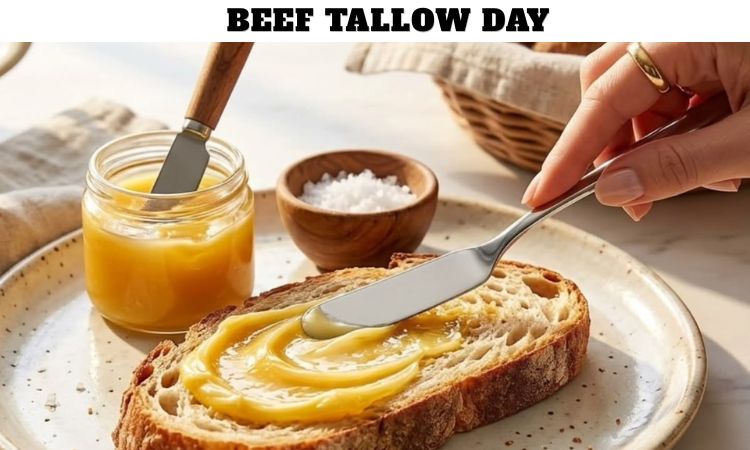
What Is Beef Tallow Day and Why Is It Celebrated on July 13?
Beef Tallow Day, celebrated every year on July 13, is a special observance dedicated to appreciating one of the oldest and most traditional animal-based fats used throughout human history. Beef tallow is a rendered form of fat obtained from cattle, especially from areas around the kidneys and other fatty tissues. For centuries, people around the world have relied on tallow for cooking, preserving food, making candles, producing soaps, and creating various household products.
In modern times, beef tallow has experienced renewed attention as many people explore traditional cooking methods, natural ingredients, and ancestral food practices. Beef Tallow Day provides an opportunity to learn about this historic ingredient, understand its role in different cultures, and appreciate how traditional food practices continue to influence modern lifestyles.
The day encourages food lovers, home cooks, farmers, and culinary enthusiasts to explore the versatility of beef tallow. Whether used for frying, roasting, baking, skincare products, or homemade crafts, beef tallow represents a connection between past generations and current interest in sustainable and natural resources.
How Did Beef Tallow Become an Important Part of Food History?
Beef tallow has played an important role in human civilization for thousands of years. Before the widespread availability of modern cooking oils, communities depended on animal fats as reliable sources of energy and cooking ingredients. Tallow was valued because it could be stored for long periods, handled easily, and provided a high smoke point suitable for cooking at high temperatures.
Historically, many cultures used beef tallow as a primary cooking fat. In European cuisines, tallow was commonly used for frying, roasting meats, and preparing traditional dishes. In some regions, it was considered a valuable household resource because every part of an animal was utilized rather than wasted.
Beyond cooking, beef tallow had many practical uses. People used it to make candles before petroleum-based products became common. It was also used in soap-making because its texture and stability helped create long-lasting cleaning products. During different periods of history, tallow was even used in industrial applications.
The revival of interest in beef tallow reflects a growing appreciation for traditional methods, sustainability, and reducing food waste. Beef Tallow Day highlights how an ingredient from the past continues to have relevance today.
What Makes Beef Tallow Different From Other Cooking Fats?
Beef tallow stands out from many other cooking fats because of its unique characteristics. Unlike many vegetable oils, tallow is naturally derived from animal fat and has a firm texture at room temperature. It is highly stable, which makes it useful for cooking methods that require higher temperatures.
One of the most recognized qualities of beef tallow is its high smoke point. This means it can withstand higher cooking temperatures before breaking down compared with some other fats. Because of this property, chefs and home cooks often use it for frying, roasting, and searing foods.
Beef tallow also has a rich flavor that can add depth to dishes. Many traditional recipes rely on tallow to create a distinctive taste and texture. Foods prepared with tallow often have a crispy exterior and satisfying flavor profile.
Another difference is its versatility. While many cooking fats are primarily used in kitchens, beef tallow can also be used in personal care products, homemade candles, and natural skincare preparations. Its wide range of applications makes it a unique and valuable ingredient.
What Are the Traditional Uses of Beef Tallow?
For generations, beef tallow has been used in numerous traditional ways. In cooking, it served as an essential ingredient for frying, baking, and preparing hearty meals. Before refrigeration and modern food production systems, people relied on rendered fats like tallow to preserve nutritional value and make the most of available resources.
Many classic dishes around the world have incorporated beef tallow. It has been used to prepare crispy fried foods, savory pastries, roasted vegetables, and meat-based recipes. Some traditional cuisines continue to use tallow because of the flavor and texture it provides.
Outside the kitchen, tallow was historically important for household needs. It was commonly used to create candles that provided lighting before electricity became widely available. Tallow-based soaps were also popular because they produced a durable and effective cleaning product.
Farmers and rural communities especially valued tallow because it represented efficient use of livestock resources. Instead of discarding animal fat, they transformed it into useful products that supported daily life.
What Are the Possible Benefits of Using Beef Tallow?
Beef tallow has gained popularity among people interested in traditional nutrition and natural products because of its various qualities. One major advantage is its stability during cooking. Its ability to handle high temperatures makes it suitable for different cooking techniques.
Tallow contains fat-soluble vitamins, including vitamins A, D, E, and K, although the exact amounts can vary depending on the animal’s diet and processing methods. These nutrients play important roles in supporting various body functions.
Another benefit is its long shelf life. Properly rendered and stored beef tallow can remain usable for an extended period because it contains very little moisture, which helps reduce spoilage.
Many people also appreciate beef tallow as a sustainable option. Using the entire animal, including fat that might otherwise go unused, supports a more complete approach to food production and reduces waste.
However, like all fats, beef tallow should be consumed as part of a balanced diet. Individual nutritional needs vary, and people should consider their overall eating patterns when choosing cooking fats.
How Can Beef Tallow Be Used in Cooking?
Beef tallow is one of the most versatile cooking fats available. It can be used for frying foods because of its ability to tolerate high heat while maintaining its structure. Many cooks use it to prepare crispy potatoes, fried vegetables, and traditional fried dishes.
Tallow can also be used for roasting. Coating vegetables or meats with a small amount of melted tallow can enhance flavor and create a rich texture. It works particularly well with hearty foods such as root vegetables and roasted meats.
Baking is another area where beef tallow can be useful. Some traditional recipes use tallow instead of butter or shortening to create flaky pastries and flavorful baked goods.
Beyond cooking, some people use beef tallow as a replacement for butter or other fats in specific recipes. Its unique flavor makes it especially suitable for dishes where a rich, savory taste is desired.
Why Is Beef Tallow Becoming Popular Again?
The renewed popularity of beef tallow is connected to several modern food trends. Many people are becoming interested in traditional ingredients, homemade cooking, and natural alternatives to highly processed products.
The farm-to-table movement has also encouraged consumers to understand where their food comes from and how ingredients are produced. Beef tallow represents a traditional method of using more parts of an animal rather than focusing only on commonly consumed cuts.
Social media and food communities have contributed to increased awareness of tallow as chefs, cooks, and nutrition enthusiasts share recipes and cooking techniques. This exposure has introduced younger generations to an ingredient that was once common in many households.
The interest in natural skincare has also contributed to tallow’s popularity. Some people use tallow-based skincare products because of its moisturizing properties and simple ingredient lists.
How Can People Celebrate Beef Tallow Day on July 13?
People can celebrate Beef Tallow Day by exploring the history and uses of this traditional ingredient. Cooking a recipe using beef tallow is one of the most popular ways to recognize the occasion. Preparing fried foods, roasted dishes, or traditional recipes can help people experience its unique qualities.
Another way to celebrate is by learning how beef tallow is produced. Understanding the rendering process provides insight into traditional food preparation methods and sustainable practices.
People interested in natural products can experiment with homemade tallow-based items such as soaps or skincare products. These activities offer a creative way to appreciate the many uses of this historic ingredient.
Beef Tallow Day can also be an opportunity to support local farmers, butchers, and producers who focus on responsible food practices. By learning about traditional ingredients, people can develop a deeper appreciation for food history and sustainability.
What Is the Future of Beef Tallow in Modern Food Culture?
The future of beef tallow appears connected to growing interest in traditional foods, sustainability, and mindful consumption. While modern cooking includes many different types of oils and fats, tallow continues to attract attention because of its history, versatility, and unique properties.
As more people explore traditional cooking techniques, ingredients like beef tallow may continue to find a place in contemporary kitchens. Restaurants, chefs, and home cooks are increasingly experimenting with older methods and rediscovering flavors associated with classic recipes.
Beef Tallow Day serves as a reminder that many traditional ingredients still have value in modern life. By understanding their history and uses, people can make informed choices about how they cook, eat, and use natural resources.
Frequently Asked Questions (FAQs)
1. When is Beef Tallow Day celebrated?
Beef Tallow Day is celebrated annually on July 13. The day recognizes the history, uses, and importance of beef tallow in cooking and traditional practices.
2. What is beef tallow made from?
Beef tallow is made by rendering the fat from cattle, usually from areas such as kidney fat and other fatty tissues.
3. Why is beef tallow used for cooking?
Beef tallow is popular for cooking because it has a high smoke point, stable texture, and rich flavor that works well for frying, roasting, and baking.
4. Is beef tallow the same as beef fat?
Beef tallow is a processed form of beef fat. Raw beef fat becomes tallow after it is rendered and purified.
5. Can beef tallow be used for skincare?
Yes, some people use beef tallow in skincare products because of its moisturizing properties and natural composition.
6. How should beef tallow be stored?
Beef tallow should be stored in an airtight container in a cool, dry place. Refrigeration can help extend its shelf life.
7. Is beef tallow a traditional ingredient?
Yes, beef tallow has been used for centuries in cooking, candle-making, soap production, and other household applications.
8. Can beef tallow replace cooking oil?
Beef tallow can replace certain cooking oils in recipes, especially for frying and high-temperature cooking.
9. Why is beef tallow considered sustainable?
Beef tallow supports sustainability by encouraging the use of more parts of an animal and reducing food waste.
10. How can people celebrate Beef Tallow Day?
People can celebrate by cooking with beef tallow, learning about its history, trying traditional recipes, or exploring homemade tallow-based products.