

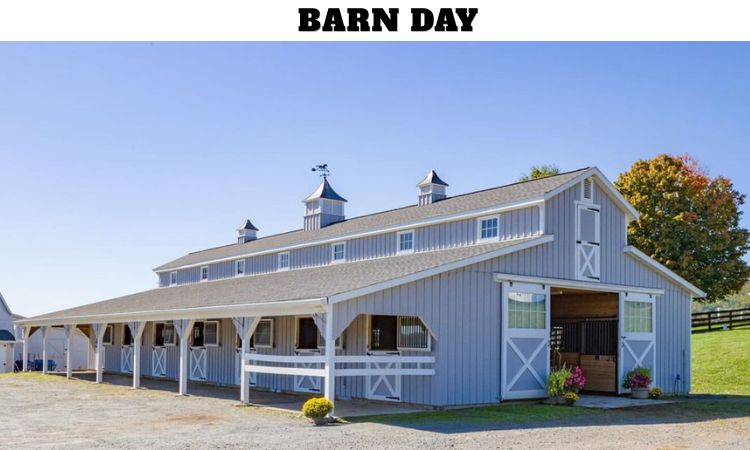
What Is Barn Day and Why Is It Celebrated on July 12?
Barn Day is celebrated every year on July 12 as a day dedicated to recognizing the historical, cultural, and agricultural importance of barns. Throughout history, barns have been much more than simple farm structures. They have served as essential spaces for storing crops, protecting livestock, preserving farming equipment, and supporting rural communities. Barn Day provides an opportunity to appreciate these iconic buildings and the traditions connected to farming life.
For generations, barns have represented hard work, sustainability, family farming, and the relationship between humans and nature. These structures have stood as symbols of agricultural progress and rural resilience. By observing Barn Day, we celebrate the farmers, builders, craftsmen, and communities that have maintained these important landmarks.
Although barns may appear simple from the outside, they often carry centuries of stories. Many historic barns have witnessed changes in farming methods, generations of families, and the evolution of rural landscapes. Barn Day encourages people to learn about these structures, preserve historic barns, and understand their contribution to society.
What Is the History Behind Barn Day?
The origins of Barn Day are connected to the appreciation of agricultural heritage and the preservation of traditional farm buildings. While barns have existed for thousands of years in different forms around the world, modern celebrations of Barn Day focus on recognizing their importance in farming history and rural culture.
Early barns were designed primarily for practical purposes. Farmers needed safe places to store harvested crops and protect animals from harsh weather conditions. Over time, barn designs developed according to regional climates, available materials, and agricultural needs. Wooden barns became especially common in many farming regions because wood was accessible, durable, and easy to work with.
Traditional barns often reflected the skills of local craftsmen. The construction of a barn was not only a farming necessity but also a community event where neighbors worked together. These shared efforts strengthened relationships among rural families and created lasting cultural traditions.
Today, many historic barns are considered valuable heritage sites. Barn Day helps raise awareness about their preservation and highlights how these structures connect modern generations with agricultural history.
Why Are Barns Important in Agriculture and Rural Communities?
Barns have played a fundamental role in agriculture for centuries. They provide farmers with protected areas for storing grains, hay, tools, and other essential resources. Before modern storage facilities existed, barns were critical for protecting food supplies and ensuring farms could survive difficult seasons.
One of the most important functions of barns has been livestock protection. Animals such as cows, horses, sheep, and chickens were traditionally kept in barns to shield them from extreme temperatures, storms, and predators. A well-built barn helped farmers maintain healthy animals and improve agricultural productivity.
Barns also represent the economic and social foundation of rural communities. Many farms were organized around barns because they served as central locations for daily activities. Farmers gathered there to complete important tasks, share knowledge, and build relationships.
Beyond their practical value, barns have become cultural symbols. Their distinctive designs, large wooden structures, and connection to farming traditions make them recognizable features of countryside landscapes around the world.
How Have Barn Designs Changed Throughout History?
Barn architecture has evolved significantly over time due to changes in farming technology, materials, and agricultural practices. Traditional barns were often constructed using locally available resources such as timber, stone, and clay. Their designs were influenced by regional weather conditions and farming requirements.
Early barns commonly featured large open spaces for storing hay and crops. Many included loft areas where farmers could keep additional supplies. Ventilation was an important design element because proper airflow helped preserve stored crops and maintain healthier conditions for animals.
With the development of modern farming equipment, barns changed to accommodate larger machinery and increased production needs. Steel structures, automated systems, and climate-controlled environments became more common in agricultural buildings.
Despite these changes, traditional barns remain admired for their craftsmanship and historical significance. Many people work to restore old barns rather than replace them because they represent important connections to the past.
How Can People Celebrate Barn Day on July 12?
There are many meaningful ways to celebrate Barn Day and recognize the importance of barns. People can visit historic farms, explore agricultural museums, or participate in community events focused on farming heritage. These activities provide opportunities to learn about traditional farming methods and the role barns have played throughout history.
Another way to celebrate is by photographing and sharing stories about historic barns in local communities. Many old barns have unique architectural features and fascinating histories that deserve attention. Sharing these stories helps preserve agricultural memories for future generations.
People can also support barn restoration projects. Maintaining historic barns requires time, resources, and dedication. Supporting preservation efforts helps protect important cultural landmarks.
Families can celebrate Barn Day by teaching children about farming traditions. Visiting farms, learning about animals, planting gardens, or exploring agricultural history can help younger generations understand the connection between food production and rural life.
What Makes Barns Cultural Symbols Around the World?
Barns have become powerful cultural symbols because they represent values such as dedication, cooperation, and connection to the land. In many communities, a barn represents generations of family history and the hard work required to maintain a farm.
The image of a classic red barn has become strongly associated with countryside life, especially in North America. The traditional red color was historically popular because certain natural paint mixtures helped protect wooden structures while providing an affordable coating.
Different regions around the world have their own unique barn styles. European barns often feature distinctive stonework and architectural designs, while North American barns are commonly recognized for their wooden construction and large open interiors.
These differences demonstrate how barns reflect local environments, cultures, and agricultural traditions. Barn Day celebrates this diversity and encourages appreciation for these remarkable structures.
What Are Some Interesting Facts About Barns?
Barns have many fascinating stories and features that make them important historical structures. Some barns are hundreds of years old and continue to stand as examples of traditional craftsmanship. Many historic barns were built without modern construction equipment, relying entirely on skilled workers and handmade techniques.
Some barns have been transformed into museums, event spaces, restaurants, and community centers while preserving their original character. These adaptive uses allow historic barns to remain part of modern communities.
Barns also provide valuable information about agricultural history. Their designs can reveal what crops were grown, what animals were raised, and how farming practices changed over time.
Another interesting fact is that barns are often designed with natural efficiency in mind. Traditional builders understood the importance of ventilation, temperature control, and resource management long before modern sustainability concepts became popular.
How Does Barn Day Help Preserve Agricultural Heritage?
Barn Day plays an important role in protecting agricultural heritage by encouraging people to recognize the value of historic farm structures. Many old barns face challenges due to weather damage, changing land use, and the decline of traditional farming practices.
Preservation programs and local communities often work together to restore barns and maintain their historical features. These efforts help ensure that future generations can experience and learn from these important landmarks.
Agricultural heritage is not only about farming techniques but also about the people, traditions, and communities connected to farming. Barns serve as physical reminders of these stories.
By celebrating Barn Day, individuals can contribute to keeping these connections alive and supporting greater appreciation for rural history.
What Are the Best Activities for Barn Day Celebrations?
Barn Day activities can range from educational experiences to creative projects. Visiting a working farm allows people to see how barns are used today and learn about modern agriculture. Historic barn tours provide insight into traditional construction methods and farming lifestyles.
Schools and community organizations can organize educational programs about farming history, animal care, and agricultural sustainability. Art projects involving barn photography, painting, or storytelling can also help people connect with rural heritage.
For those interested in history, researching local barns and documenting their stories can be a meaningful way to celebrate. Every barn has a unique background, and recording these histories helps protect cultural knowledge.
Why Should We Continue Celebrating Barn Day?
Barn Day reminds us that agricultural structures are more than buildings. They represent the dedication of farmers, the importance of food production, and the history of communities built around agriculture.
As society becomes increasingly modernized, preserving connections to traditional farming becomes more important. Barns provide valuable lessons about sustainability, craftsmanship, and cooperation.
Celebrating Barn Day on July 12 allows people to recognize the contributions of agriculture and appreciate the structures that supported farming communities for generations. Whether through education, preservation, or simple appreciation, this day helps keep agricultural heritage alive.
Frequently Asked Questions (FAQs)
1. When is Barn Day celebrated?
Barn Day is celebrated annually on July 12. The day recognizes the historical and cultural importance of barns and their role in agriculture.
2. What is the purpose of Barn Day?
The purpose of Barn Day is to celebrate barns, promote awareness about agricultural heritage, and encourage preservation of historic farm buildings.
3. Why are barns important in farming?
Barns are important because they provide storage for crops, shelter for livestock, and space for farming activities. They have supported agricultural communities for centuries.
4. How can people celebrate Barn Day?
People can celebrate Barn Day by visiting farms, exploring historic barns, supporting restoration projects, learning about agriculture, and sharing barn stories.
5. Are barns still used today?
Yes, many barns are still used today for farming purposes, including livestock housing, equipment storage, and crop storage.
6. Why are many traditional barns painted red?
Traditional barns were often painted red because early paint mixtures containing natural materials helped protect wood and were affordable for farmers.
7. What do barns symbolize?
Barns symbolize hard work, farming traditions, community cooperation, and the connection between people and the land.
8. How old are some historic barns?
Some historic barns are several hundred years old and have been preserved as examples of traditional agricultural architecture.
9. Can old barns be restored?
Yes, many old barns can be restored through preservation efforts that repair structural damage while maintaining their historical features.
10. Why is preserving barns important?
Preserving barns helps protect agricultural history, cultural traditions, and valuable examples of traditional craftsmanship.